What does lavender smell like? If you’ve brushed past a lavender plant and wondered whether the scent is sweet, herbal, or something else entirely, you’re not alone. Lavender has one of the most recognizable fragrances in the garden, but its scent can change with the species, weather, and even the stage of bloom.
For gardeners, that scent is more than a pleasant bonus. It can help you identify the plant, choose a good site, and understand why healthy lavender often smells stronger than stressed or overwatered plants.
What does lavender smell like?
Lavender smells fresh, clean, and herbal, with a floral note that is often described as slightly sweet, slightly camphor-like, and sometimes a little woody or spicy. The scent is strongest when the flowers are warm, dry, and fully open, and it can vary depending on the species and growing conditions.
How to recognize lavender by scent and appearance
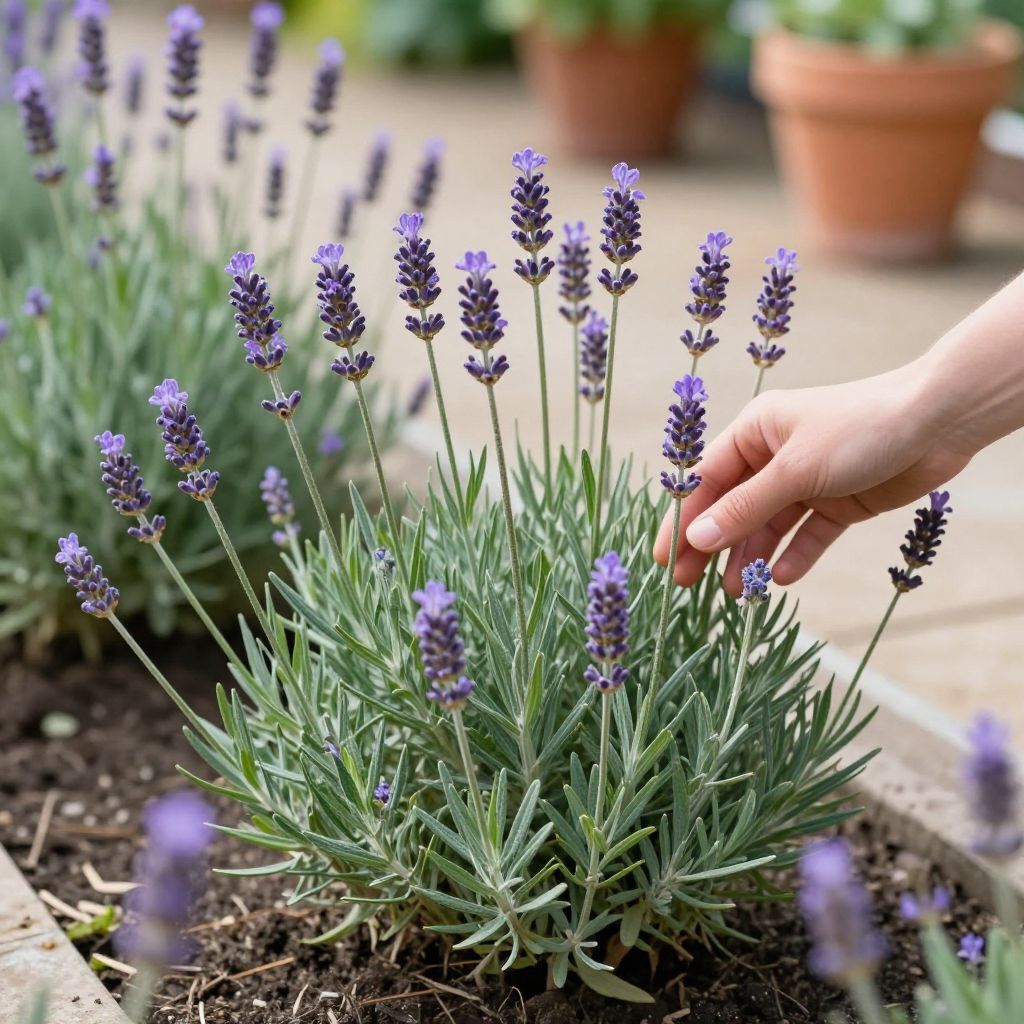
Lavender is usually identified by a combination of fragrance, foliage, and flower form rather than scent alone. The leaves are narrow, gray-green, and often slightly fuzzy, while the flowers grow on upright spikes above the foliage.
Common scent clues
- Fresh and clean: not heavy or sugary like some flowers.
- Herbal and aromatic: similar to rosemary or sage, but softer.
- Floral with a camphor edge: some plants smell more medicinal or resinous.
- Best after warmth: the scent is often stronger on sunny afternoons.
What affects the smell?
Not every lavender plant smells exactly the same. Climate, soil drainage, sunlight, plant age, and the species or cultivar all influence fragrance intensity.
- More sun usually means stronger scent.
- Dry, well-drained soil tends to improve fragrance and plant health.
- Cool, wet, or shaded conditions can reduce aroma.
- Harvest timing matters: flowers near full bloom are often most fragrant.
Why lavender scent varies from plant to plant
Gardeners sometimes expect every lavender to smell identical, but that is not how the plant behaves. Some types are sweeter and more floral, while others are sharper and more camphor-forward.
Species differences
English lavender, usually Lavandula angustifolia, is often considered the sweetest and most classic-smelling type. Other lavenders, including some hybrid and French types, may have a stronger medicinal or resinous note.
If you are choosing lavender mainly for fragrance, smell the plant in person when possible. Nursery tags can tell you the name, but they cannot tell you exactly how strong the scent will be in your yard.
Weather and time of day
Warm, dry weather helps release the aromatic oils in the flowers. On cool mornings or after rain, the fragrance may seem faint until the plant dries and the day warms up.
That is one reason gardeners often notice lavender most strongly while walking past it on a sunny day rather than when inspecting it closely in damp weather.
Growing conditions that improve lavender fragrance
If you want lavender to smell its best, focus on growing conditions that keep the plant healthy without pushing soft, leafy growth. Lavender prefers leaner, drier conditions than many other perennials and herbs.
Sunlight
Give lavender full sun in most climates. A minimum of 6 hours of direct sun is a good target, and more sun often improves both flowering and scent.
Soil and drainage
Lavender needs soil that drains quickly. Heavy clay or constantly damp beds can weaken the plant, reduce flowering, and dilute fragrance.
- Work in coarse grit, sand, or fine gravel if your soil is dense.
- Use raised beds or mounds in wet sites.
- Avoid rich, water-retentive soil that stays soggy after rain.
Compost and fertility
Lavender does not need rich soil to smell good. A small amount of compost can help poor soil, but too much organic matter can encourage lush foliage at the expense of flowers and aroma.
Use compost sparingly, especially in already fertile ground. The goal is steady growth, not a leafy plant that is soft and floppy.
Watering
Established lavender is drought-tolerant, but newly planted lavender needs careful watering until roots settle in. Water deeply when the top few inches of soil dry out, then allow the soil to dry again before the next watering.
Overwatering is one of the most common reasons lavender loses vigor and fragrance. If the leaves look dull, growth is weak, and the soil stays wet, reduce watering and improve drainage.
How to plant lavender for the best scent
Planting lavender in the right spot from the start saves a lot of trouble later. The plant is long-lived when conditions suit it, but it struggles if placed where the soil stays wet or the sun is weak.
Step-by-step planting guide
- Choose a sunny site with fast-draining soil.
- Dig a hole only as deep as the root ball and slightly wider.
- Set the plant so the crown sits at soil level, not buried.
- Backfill with native soil amended only if needed for drainage.
- Water in lightly to settle the roots.
- Mulch sparingly with gravel or a very thin layer of coarse material, keeping mulch away from the crown.
Avoid burying lavender too deeply. A buried crown can stay wet and rot, especially in rainy climates.
Container growing
Lavender can grow well in pots if drainage is excellent. Use a container with large drainage holes and a gritty potting mix designed for Mediterranean or drought-tolerant plants.
Containers dry faster than garden beds, so check moisture regularly. Still, do not keep the mix constantly moist. Let the top layer dry before watering again.
Pruning and harvesting for stronger fragrance
Pruning helps lavender stay compact, woody stems from getting too leggy, and flowering growth from becoming sparse. It can also improve the plant’s overall scent by encouraging fresh, healthy growth.
When to prune
Light pruning is usually done after flowering, while major cutting should be avoided into old woody stems that may not resprout well. The exact timing depends on your climate and the plant’s bloom cycle.
As a general rule, trim back spent flower stems and a small amount of green growth, but leave some leafy growth on each stem.
How to harvest for scent
If you want lavender for bouquets, sachets, or drying, harvest when most flower buds are open but before the blooms are fully spent. That is often when fragrance is strongest and the stems dry well.
- Cut in the morning after dew has dried.
- Use clean, sharp pruners.
- Gather stems in small bundles for drying.
Drying lavender in a cool, shaded, airy place helps preserve its scent better than drying it in direct sun.
Common problems that weaken lavender scent
If your lavender barely smells like anything, the plant may be stressed or growing in the wrong conditions. A weak scent often points to a cultural problem rather than a faulty plant.
Too much shade
Lavender grown in shade often becomes lanky and produces fewer flowers. Move it to a sunnier location if possible, or prune nearby plants that are blocking light.
Wet feet
Poor drainage is a major issue. Roots that stay wet can decline slowly, and the plant may stop flowering well before it dies back completely.
If drainage is the problem, consider replanting in a raised bed, a slope, or a container with a gritty mix.
Overfertilizing
Too much fertilizer can push leafy growth and reduce aromatic oils. Lavender usually performs better with minimal feeding than with regular high-nitrogen fertilizer.
Old, woody plants
Very old lavender can become woody and sparse in the center. These plants may still smell pleasant, but they often flower less heavily and are harder to rejuvenate.
Try light renewal pruning over time rather than cutting hard into old wood. If the plant is severely overgrown, replacing it may be the most practical option.
Pests and diseases to watch for
Healthy lavender is fairly resistant to many garden pests, but stressed plants can become vulnerable. Problems are more likely when the plant is crowded, shaded, or sitting in damp soil.
Common issues
- Root rot: caused by poor drainage and excess moisture.
- Fungal leaf problems: more likely in humid, crowded plantings.
- Aphids or spittlebugs: occasional pests that can weaken new growth.
Good spacing, air circulation, and proper watering prevent many of these problems. If you see damaged stems or discolored foliage, remove affected growth and check the roots and soil conditions first.
Best uses for fragrant lavender in the garden
Lavender earns its place in the garden because it does more than smell good. It also adds structure, pollinator value, and a tidy, drought-tolerant look to beds and borders.
Where it works well
- Sunny herb gardens
- Dry borders and gravel gardens
- Walkways and entry plantings where the scent can be brushed by hand
- Containers on bright patios and balconies
Plant lavender where you will pass close to it. The fragrance is often most enjoyable when you can brush the foliage or flowers lightly as you walk by.
Simple troubleshooting checklist
If your lavender does not smell as expected, use this quick check before assuming the plant is wrong for your garden.
- Is it getting full sun?
- Does the soil drain quickly after rain?
- Is it being watered too often?
- Has it been overfed with fertilizer or rich compost?
- Is the plant flowering well, or mostly producing leaves?
- Is it old, woody, or crowded by nearby plants?
Fixing one or two of these issues can make a noticeable difference in both flowering and fragrance.
Conclusion
So, what does lavender smell like? In the garden, it is fresh, herbal, floral, and often a little sweet or camphor-like, with the strongest scent coming from healthy plants grown in full sun and well-drained soil. If you want better fragrance, start by improving light, drainage, and pruning.
For more practical gardening guidance, you may also want to read about how to grow herbs in containers and pruning flowering perennials for better blooms.
Leave a Reply