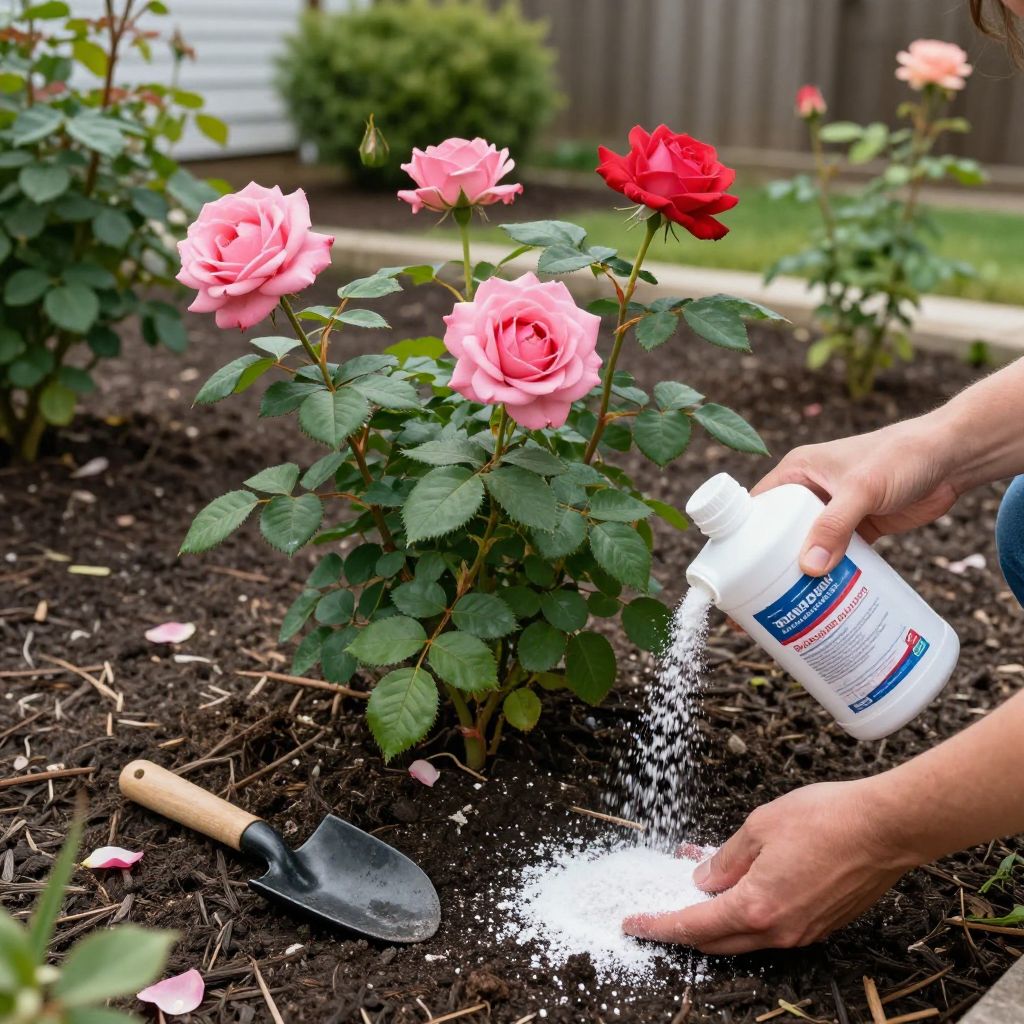
What is the best fertilizer for roses? The short answer is a balanced rose fertilizer or a well-rounded organic feed that supports steady growth, healthy leaves, and repeat blooming without pushing too much soft growth. The “best” choice depends on your soil, how established the rose is, and whether you prefer synthetic or organic inputs.
Roses respond best to consistent feeding, good soil, and proper watering. If you match fertilizer to the plant’s stage and your garden conditions, you can improve flowering, strengthen canes, and reduce common problems like weak growth or pale foliage.
What Is The Best Fertilizer For Roses?
The best fertilizer for roses is usually one that provides balanced nutrients, especially nitrogen, phosphorus, and potassium, plus trace minerals. A slow-release rose fertilizer or a compost-based organic amendment is often ideal because it feeds steadily, supports blooms, and is less likely to burn roots than a heavy quick-release product.
What roses need from fertilizer
Roses are heavy feeders, but they do not need excessive fertilizer. Their goal is balanced growth: enough nitrogen for leaves and canes, enough phosphorus for root and flower development, and enough potassium for overall vigor and disease tolerance.
The nutrients that matter most
- Nitrogen (N) supports leafy growth and strong canes.
- Phosphorus (P) supports roots and flower formation.
- Potassium (K) helps with overall plant health and stress tolerance.
- Micronutrients such as iron, magnesium, and manganese help prevent yellowing and weak growth in poor soils.
For most home gardens, a balanced fertilizer is the safest starting point. If your soil is already rich, you may need less fertilizer than you think.
Common fertilizer types for roses
- Granular slow-release fertilizer: Good for steady feeding and low-maintenance care.
- Liquid fertilizer: Useful for a quick boost, especially for container roses or stressed plants.
- Organic options: Compost, well-rotted manure, fish emulsion, alfalfa meal, or bone meal can improve soil while feeding the plant.
- Specialty rose fertilizer: Often formulated with a balanced ratio and added micronutrients.
How to choose the right fertilizer for your roses
Start with your soil, your rose’s age, and how it is growing. A young rose in poor soil may benefit from compost and a light balanced feed, while an established rose in fertile soil may only need seasonal feeding.
Choose based on plant condition
- Newly planted roses: Use gentle feeding and avoid strong fertilizer until the plant is established.
- Established roses: Use a balanced fertilizer during active growth.
- Container roses: Need more frequent feeding because nutrients wash out faster.
- Weak or yellowing roses: Check soil, watering, and drainage before adding more fertilizer.
Read the label carefully
Look for a balanced analysis or one designed for flowering shrubs. Avoid products that are extremely high in nitrogen unless you are correcting a specific problem, because too much nitrogen can create lush leaves with fewer flowers.
A good rose fertilizer should support blooms without forcing soft, floppy growth. If a product promises dramatic results but has an unbalanced formula, it may not be the best choice for long-term plant health.
Organic vs. synthetic fertilizer for roses
Both can work well. The best choice is the one you can use correctly and consistently in your garden.
Organic fertilizer benefits
- Improves soil structure over time
- Feeds more gradually
- Supports beneficial soil life
- Lower risk of root burn when used properly
Synthetic fertilizer benefits
- More precise nutrient control
- Faster response in poor soil
- Helpful when roses need a quick boost
- Often easier to apply in measured amounts
If your soil is sandy, depleted, or compacted, organic matter is especially valuable. If your rose is underperforming and you want a predictable feeding plan, a slow-release synthetic rose fertilizer can be practical.
Best fertilizer approach by rose type
Hybrid tea, floribunda, and grandiflora roses
These roses usually bloom heavily and benefit from regular feeding during the growing season. A balanced rose fertilizer or a slow-release product works well, especially when paired with compost.
Shrub roses and landscape roses
These are often lower-maintenance than old-fashioned garden roses, but they still appreciate a spring feeding and improved soil. Overfertilizing can make them grow too fast and reduce their natural shape.
Climbing roses
Climbers need support, pruning, and steady nutrition, but not excessive nitrogen. Feed them to encourage canes, foliage, and repeat bloom, then avoid late-season fertilizing that can stimulate tender growth before cold weather.
Container roses
Container-grown roses usually need more frequent feeding because potting mix loses nutrients faster than garden soil. Use a diluted liquid feed or a controlled-release fertilizer suited to containers, and monitor moisture closely.
How to fertilize roses correctly
Feeding roses is not just about choosing the right product. Timing, soil moisture, and application method matter just as much.
- Water first if the soil is dry. Fertilizer applied to dry roots can cause stress.
- Clear away mulch from the base so the fertilizer reaches the root zone.
- Apply according to label directions and spread it evenly around the plant’s drip line when possible.
- Keep fertilizer off the canes and crown to reduce burn and disease risk.
- Water again after application unless the product instructions say otherwise.
- Replace mulch after feeding to help hold moisture and moderate soil temperature.
For established garden roses, the root zone is usually more important than the base of the stem. Feeding around the outer area where roots are actively taking up nutrients is often more effective than dumping fertilizer right at the stem.
When to fertilize roses
Timing depends on your climate, but roses generally benefit from feeding during active growth. In many gardens, the first application is made in spring after new growth begins and the plant is leafing out well.
Seasonal guidance
- Spring: Main feeding time for most roses.
- Early summer: A second feeding can support repeat bloom if the plant is actively growing.
- Late summer: Use caution; avoid pushing soft growth too late in the season in colder climates.
- Fall: Usually avoid high-nitrogen feeding, especially where frost or freezing is near.
In warm climates with long growing seasons, roses may need a longer feeding window. In colder regions, stop fertilizing early enough for the plant to slow down before winter.
Soil, compost, and drainage: the foundation of good rose feeding
Even the best fertilizer cannot fix poor drainage or badly compacted soil. Roses grow best in soil that holds moisture but drains well, with enough organic matter to support roots.
What helps roses most
- Compost: Improves soil texture and adds gentle nutrients.
- Mulch: Conserves moisture and moderates temperature.
- Good drainage: Prevents root stress and nutrient problems.
- Soil testing: Helps you avoid guessing about pH and nutrient levels.
If your rose is growing in heavy clay, raised beds or soil improvement may matter more than fertilizer alone. If your soil is very sandy, nutrients may leach quickly, so smaller, more frequent feedings can work better.
Signs your roses need fertilizer
Roses often show nutrient issues through their leaves and flowering pattern, but those symptoms can also signal watering or soil problems. Look at the whole plant before assuming it needs more feed.
Possible signs of underfeeding
- Pale green or yellowing leaves, especially older foliage
- Weak cane growth
- Few flowers or smaller blooms than usual
- Slow recovery after pruning or winter damage
Signs of overfertilizing
- Very lush foliage with few flowers
- Leaf edge burn or browning
- Salt buildup on potting mix or soil surface
- Soft, overly tender growth
If a rose looks stressed, check watering and drainage before adding more fertilizer. Too much fertilizer can make problems worse, especially in containers or dry soil.
Common mistakes to avoid
- Fertilizing a dry, stressed plant
- Using too much nitrogen
- Feeding too late in the season
- Ignoring poor drainage
- Applying fertilizer directly against the stem
- Assuming yellow leaves always mean a nutrient shortage
Another common mistake is feeding a newly planted rose too aggressively. Freshly planted roses need time to establish roots, and heavy fertilizer can push top growth before the root system is ready.
Practical rose care that improves fertilizer results
Fertilizer works best when roses also receive good general care. Healthy plants use nutrients more efficiently and are less likely to show stress.
Supportive care basics
- Sunlight: Most roses bloom best with full sun, though local heat can affect performance.
- Watering: Water deeply and consistently, especially during dry spells.
- Pruning: Remove dead or crossing canes and shape the plant for air circulation.
- Mulching: Helps stabilize moisture and soil temperature.
- Pest and disease monitoring: Watch for aphids, black spot, powdery mildew, and spider mites.
When roses are crowded, shaded, or chronically wet on the foliage, fertilizer alone will not restore them. Improving airflow, sunlight, and watering habits often makes a bigger difference than adding more feed.
Simple feeding plan for most home gardeners
If you want a straightforward approach, use this as a starting point and adjust for your climate and soil.
- Work compost into the soil or top-dress established roses in spring.
- Apply a balanced rose fertilizer when active growth begins.
- Water well after feeding.
- Repeat lightly during the growing season if the plant is actively blooming and the label allows it.
- Stop feeding early enough for your climate so new growth can harden before cold weather.
For container roses, use the same principles but expect to feed more often in smaller amounts, since pots lose nutrients faster than in-ground beds.
Conclusion
The best fertilizer for roses is usually a balanced, steady-feeding product that matches your soil and your rose’s growth stage. Start with compost, choose a rose fertilizer with balanced nutrients, and avoid overfeeding. If you want the best results, feed thoughtfully, water deeply, and keep the soil healthy.
If you want to improve your rose care even further, look for more guidance on soil preparation, pruning, and disease control so your fertilizer works with the rest of your garden routine.