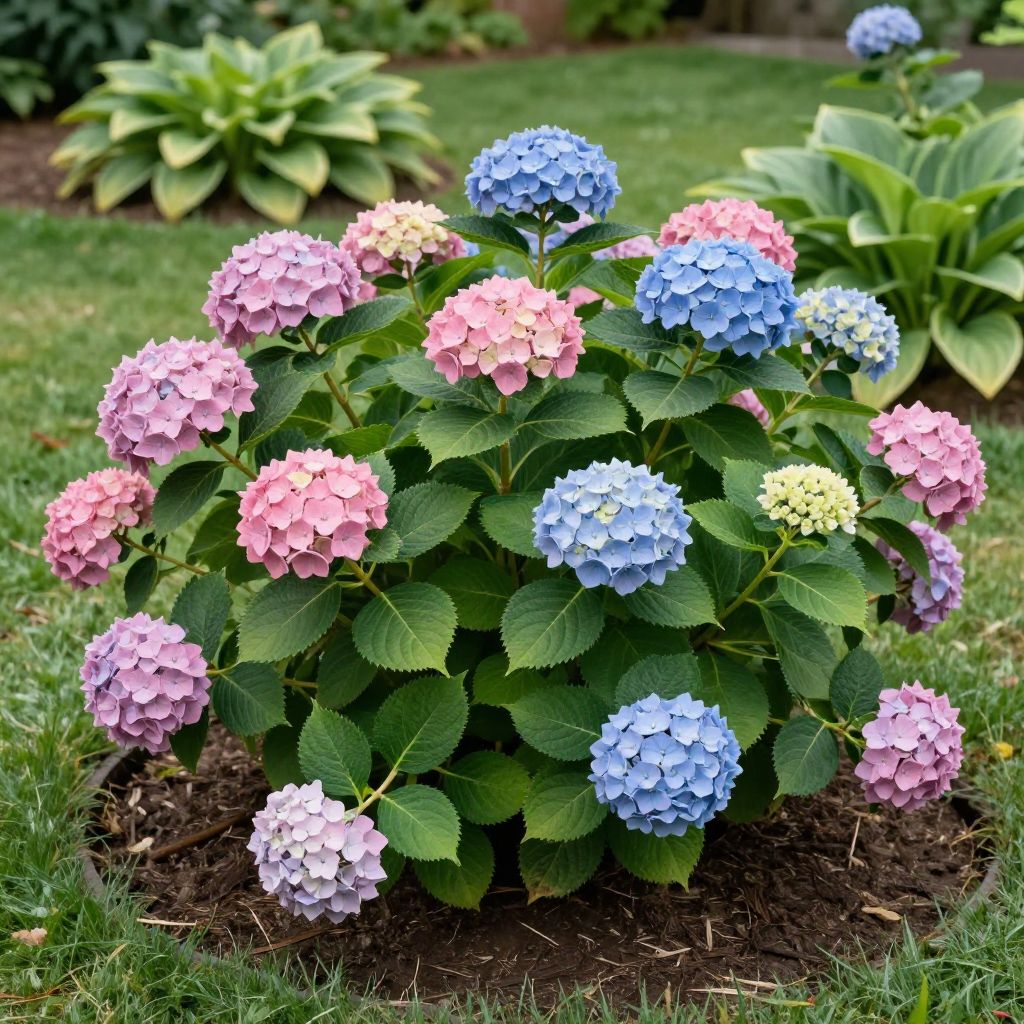
Are hydrangeas perennial? In most gardens, yes—hydrangeas are woody perennial shrubs that come back year after year when they’re suited to your climate and cared for properly. Their top growth may die back in winter in colder areas, but the root system survives and sends up new growth in spring.
The key is choosing the right hydrangea for your region and giving it the conditions it prefers: moisture, drainage, and the right amount of sun. If you do that, hydrangeas can be long-lived, reliable landscape plants with big seasonal payoff.
Are hydrangeas perennial?
Yes. Hydrangeas are perennial shrubs, not annuals, so they return each growing season from the same root system. Some types are more cold-hardy than others, and some bloom on old wood, new wood, or both, which affects how you prune and how reliably they flower after winter.
What kind of perennial is a hydrangea?
Hydrangeas are woody perennials, meaning their stems become woody over time rather than dying back completely like many herbaceous perennials. In mild climates, the shrub may keep much of its structure year-round. In colder climates, stems can die back partially or fully, but the plant itself is still perennial.
Common hydrangea types you may see
- Bigleaf hydrangea (Hydrangea macrophylla)
- Panicle hydrangea (Hydrangea paniculata)
- Smooth hydrangea (Hydrangea arborescens)
- Oakleaf hydrangea (Hydrangea quercifolia)
These types differ in flower shape, size, and pruning needs, but all are perennial shrubs when grown in suitable conditions.
Will hydrangeas come back every year?
Usually yes, as long as the plant survives winter and isn’t badly damaged by drought, poor drainage, or severe cold. The most common reason a hydrangea does not return well is not that it is “not perennial,” but that it was planted in the wrong spot or lost flower buds to winter injury.
What affects winter survival?
- Local minimum temperatures
- Exposure to wind and late frosts
- How well the plant is established before winter
- Soil drainage and root health
- Whether the variety blooms on old wood, new wood, or both
If you live in a colder climate, mulch around the root zone in late fall to help buffer temperature swings. Keep mulch a few inches away from the stems so moisture doesn’t sit against the crown.
Best growing conditions for perennial hydrangeas
Hydrangeas do best in rich, moisture-retentive soil that drains well. They like consistent water, but they do not tolerate soggy roots. Most garden hydrangeas prefer morning sun with afternoon shade, though some panicle hydrangeas handle more sun if soil moisture is adequate.
Soil and drainage
Hydrangeas grow best in soil that is loose, organic, and evenly moist. If your soil is heavy clay, improve it with compost and plant on a slight mound or raised bed if drainage is poor. If your soil is sandy, compost helps it hold moisture longer.
- Work in 2 to 3 inches of compost before planting if the soil is average to poor.
- Avoid planting in spots that stay wet after rain.
- Do not bury the crown too deeply; keep the plant at the same level it grew in the nursery pot.
Sunlight
Light needs depend on the type. Bigleaf and oakleaf hydrangeas usually appreciate protection from hot afternoon sun, especially in warm climates. Panicle hydrangeas are generally more sun-tolerant and can bloom well with several hours of sun each day.
Watering
Hydrangeas need steady moisture, especially in their first year and during hot weather. Water deeply at the base rather than lightly sprinkling the foliage. A thick layer of mulch can help reduce evaporation and keep roots cooler.
Important: Wilting in the afternoon can happen even when the plant is not permanently dry, but repeated wilting is a sign the root zone needs more consistent moisture.
How to plant hydrangeas so they return reliably
Planting correctly gives your hydrangea the best chance of becoming a long-lived perennial in your garden. The goal is to reduce transplant stress and encourage deep roots.
- Choose a site with the right light for the variety.
- Dig a hole as deep as the root ball and about 2 times as wide.
- Loosen circling roots gently if the plant is pot-bound.
- Mix compost into the backfill only if your native soil is poor; don’t create a sharply different “pot” of amended soil in clay-heavy ground.
- Set the plant so the top of the root ball is level with the surrounding soil.
- Backfill, water thoroughly, and mulch with 2 to 3 inches of organic mulch.
After planting, keep the soil evenly moist for the first growing season. That establishment period is when the plant is building the root system that helps it behave like a dependable perennial.
Pruning hydrangeas without losing next year’s flowers
Pruning is one of the biggest reasons gardeners think a hydrangea “didn’t come back.” In many cases, the plant returned fine, but flower buds were removed by pruning at the wrong time. The correct method depends on the type.
Pruning basics by bloom habit
- Old wood bloomers such as many bigleaf and oakleaf hydrangeas form flower buds on stems from the previous year. Prune lightly, if at all, and only after flowering unless you know the variety tolerates more pruning.
- New wood bloomers such as panicle and smooth hydrangeas can be cut back more in late winter or early spring because they flower on current-season growth.
- Repeat bloomers may flower on both old and new wood, but they still benefit from careful, minimal pruning.
If you are unsure which hydrangea you have, start with conservative pruning: remove only dead stems, weak growth, and spent flower heads if needed. Avoid hard pruning until you know the plant’s bloom habit.
Common problems that make hydrangeas struggle
Hydrangeas are generally easy to grow, but a few issues can reduce vigor or flowering. Most are fixable if you catch them early.
1. Too much sun or heat
Leaves may scorch, wilt, or look tired by afternoon. Move container plants or add shade where possible. In the ground, watering more often helps, but a better site is the long-term solution.
2. Poor drainage
Yellowing leaves, slow growth, and root decline can happen in waterlogged soil. Improve drainage before planting, or move the plant if the site stays wet for long periods.
3. Frost damage
Late spring freezes can kill buds on old wood bloomers, leaving healthy foliage but few or no flowers. In colder regions, choose a more reliable new-wood bloomer if this happens often.
4. Overfertilizing
Too much nitrogen can produce lush leaves with fewer flowers. Use compost or a balanced, slow-release fertilizer only if soil or plant growth suggests it is needed, and follow label directions carefully.
5. Pests and disease
Hydrangeas can sometimes get aphids, spider mites, leaf spots, or powdery mildew. Good spacing, morning sun, and watering at the soil line help reduce disease pressure.
- Inspect new growth for aphids and distorted leaves.
- Check undersides of leaves for spider mites during hot, dry spells.
- Remove badly spotted leaves if disease becomes noticeable.
- Improve airflow by not crowding shrubs too closely together.
Can you grow hydrangeas in containers?
Yes, many hydrangeas can be grown in pots, and they still count as perennials if the roots survive winter. Container-grown hydrangeas need more attention because pots dry out faster and roots are more exposed to temperature swings.
Container care tips
- Use a large pot with drainage holes.
- Choose a quality potting mix that holds moisture but drains well.
- Water more often than in-ground plants, especially in summer.
- Protect the pot in winter if your climate is cold, since roots in containers are less insulated.
If you garden in a region with freezing winters, move the pot to a sheltered location or insulate it to help the plant behave like the perennial shrub it is.
How to propagate hydrangeas
Hydrangeas can often be propagated from cuttings, which is a useful way to make more plants from one healthy perennial shrub. Softwood or semi-ripe cuttings are commonly used, depending on the type and season.
Simple propagation approach
- Take a healthy, non-flowering stem cutting with several leaf nodes.
- Remove the lower leaves.
- Place the cutting in a moist, well-draining propagation medium.
- Keep it humid and out of harsh sun until roots form.
Propagation success varies by type and conditions, so don’t expect every cutting to root. Start several at once if you want better odds.
When hydrangeas are perennial but still disappoint
A hydrangea can be fully perennial and still fail to bloom well for a season. That does not always mean the plant is unhealthy. Often the issue is winter bud loss, pruning at the wrong time, too much shade, or a recent transplant that is still establishing roots.
If your plant comes back with healthy leaves but no flowers, review these points:
- Was it pruned after buds formed?
- Did a late frost damage the flower buds?
- Is it getting enough light?
- Has it been watered consistently during dry periods?
- Is the soil too rich in nitrogen?
Conclusion: keep your hydrangea perennial and thriving
Hydrangeas are perennial shrubs that can reward you for many years when you match the plant to your climate, give it well-drained soil, and prune it correctly. If you’re unsure what type you own, identify whether it blooms on old wood or new wood before making major cuts.
For more practical help, you may also want to read about how to prune hydrangeas correctly and choosing the best flowering shrubs for your garden.