What should you plant after tomatoes, and how do you keep the next crop healthy? The best follow-up plants depend on what grew there before, how much disease pressure you had, and whether you can give the bed a short rest. With a little planning, you can avoid replanting problems and make the most of the soil you already improved for tomatoes.
In most gardens, the safest choices after tomatoes are crops from a different plant family, especially leafy greens, root vegetables, beans, and many herbs. The key is to rotate away from tomatoes and other nightshades, refresh the soil lightly, and choose plants that fit your season and local climate.
What To Plant After Tomatoes?
After tomatoes, plant crops that are not in the nightshade family, such as lettuce, spinach, carrots, beets, beans, peas, onions, garlic, and many herbs. These help reduce disease carryover and nutrient stress. If tomato plants were diseased, consider a longer rotation, a cover crop, or a soil rest before planting another susceptible crop.
Why rotation matters after tomatoes
Tomatoes are heavy feeders and can leave behind soil-borne disease problems if the same bed is replanted with similar crops. Rotating to a different plant family helps break pest and disease cycles and gives the soil a chance to recover.
What to avoid planting right away
Try not to follow tomatoes with other nightshades in the same space, especially if you had trouble with disease or pests. That includes:
- Peppers
- Eggplants
- Potatoes
- Tomatillos
These plants share many of the same vulnerabilities, so planting them after tomatoes can keep problems in the bed longer.
Best crops to plant after tomatoes
Leafy greens
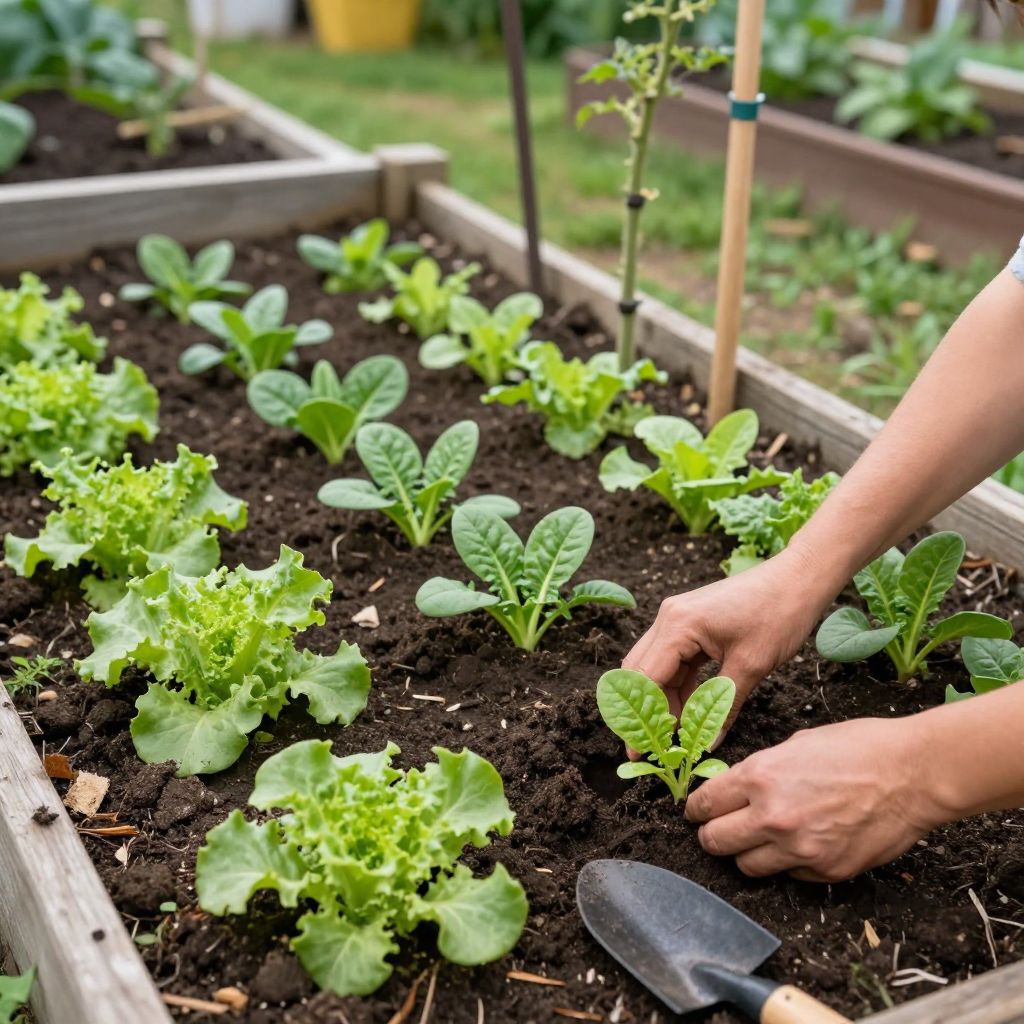
Leafy greens are often one of the easiest choices after tomatoes because they grow quickly and do not need the same nutrient pattern. Good options include lettuce, arugula, spinach, kale, mustard greens, and Swiss chard.
- Best use: quick turnover in fall or spring
- Soil need: loose, moderately fertile soil
- Care tip: keep the bed evenly moist for germination and early growth
Root crops
Carrots, beets, radishes, turnips, and parsnips can work well after tomatoes if the soil is not compacted. Tomatoes are often grown in rich, well-tilled beds, which can be a good starting point for roots if you remove old stems and loosen the top layer gently.
For best results, make sure the bed is free of large chunks of undecomposed compost or roots, since those can cause misshapen carrots and forked roots.
Beans and peas
Beans and peas are useful after tomatoes because they belong to a different family and can help restore nitrogen to the soil. Bush beans are especially convenient if you want a fast follow-up crop, while peas are a strong cool-season option.
These crops still need decent drainage and sunlight, but they usually do not require the same level of feeding as tomatoes.
Onions, garlic, and other alliums
Alliums such as onions, garlic, scallions, and leeks are common rotation crops after tomatoes. They are not closely related to tomatoes and can fit well into a bed that has already been amended with compost.
Garlic is often planted in fall in many climates, while onions and leeks may be started from sets or transplants depending on your season.
Herbs
Many herbs do well after tomatoes, especially basil, parsley, dill, cilantro, thyme, and chives. Basil is a natural companion in some gardens, but if you are rotating beds after tomatoes, it is still wise to check whether the bed had disease issues before reusing it for another crop.
Low-growing herbs also make good edging plants if you want to keep the bed productive while giving the soil a lighter workload.
How to prepare tomato beds for the next crop
Good bed preparation matters just as much as crop choice. Tomatoes often leave behind a bed that is tired, root-filled, and uneven, so a little cleanup helps the next planting establish more smoothly.
- Remove all tomato plants, including roots if disease was present.
- Discard diseased material; do not compost infected plants unless your compost system reliably gets hot enough to break down pathogens.
- Pull weeds and fallen fruit that could harbor pests or disease.
- Loosen the top few inches of soil without overworking it.
- Mix in a modest layer of finished compost if the soil looks depleted.
- Check drainage before planting by watering the bed and seeing whether water soaks in rather than puddling.
Avoid adding too much fresh manure or high-nitrogen fertilizer right after tomatoes. The next crop may not need it, and excess nitrogen can push leafy growth at the expense of roots, flowers, or bulbs.
How to choose the right follow-up crop for your season
The best answer to what to plant after tomatoes depends on when the tomatoes come out. In warm weather, you may still have time for beans, basil, bush cucumbers in a separate bed, or fast greens. In cooler weather, leafy crops, radishes, carrots, and garlic are often better choices.
If tomatoes finish in summer
Choose crops that mature quickly and tolerate heat if your climate is still warm. Bush beans, Swiss chard, amaranth greens, and some herbs can fill the gap, provided you can water consistently and give them enough sun.
If tomatoes finish in late summer or fall
Cool-season crops usually make more sense. Spinach, lettuce, radishes, turnips, kale, cilantro, and garlic are common follow-up choices, depending on your frost date and local temperatures.
If frost is close
If the season is nearly over, do not rush to plant a crop that will not have time to mature. Instead, sow a cover crop or mulch the bed and plan the next planting for the following season.
Using cover crops when you do not want another food crop
If your tomato bed had disease, or if you simply need a break, a cover crop can be the smartest next step. Cover crops protect soil, reduce erosion, and improve structure while the bed rests.
- Cool-season options: winter rye, oats, or field peas, depending on your climate
- Warm-season options: buckwheat can be useful where it fits the season
- Simple alternative: mulch the bed heavily and leave it fallow for a short period
Before choosing a cover crop, check whether it will fit your local frost window and whether you can cut it down before it sets seed.
Soil care after tomatoes
Tomatoes are often grown in rich soil, but that does not mean the bed should be overloaded after harvest. The goal is to keep the soil balanced for the next crop.
What the next crop usually needs
- Compost: a light topdressing of finished compost if the soil is thin or tired
- Drainage: especially important for roots, onions, and garlic
- Moisture: steady watering for seedlings and transplants
- Sunlight: most follow-up crops still need full sun, though leafy greens can tolerate a bit more shade in warm weather
If your tomato bed was mulched heavily, rake back the mulch enough to sow small seeds, then return a lighter layer after seedlings emerge. This helps with moisture without smothering young plants.
Common mistakes to avoid
Many gardeners lose time by treating a tomato bed like any other bed. A few simple mistakes can lead to poor growth or repeat disease issues.
- Planting another nightshade too soon: this is the most common rotation mistake
- Leaving diseased debris in place: fallen leaves and stems can carry problems into the next season
- Overfertilizing: too much nitrogen can create weak, leafy growth
- Ignoring soil texture: root crops need loose soil, not compacted ground
- Planting too late: match the crop to your actual remaining season
What if your tomatoes had disease?
If your tomatoes showed signs of blight, wilt, or persistent root problems, be more cautious about what goes into that bed. Rotation becomes even more important, and in some cases a season or more without susceptible crops is the best choice.
In a diseased bed, focus on sanitation first. Remove all plant residue, clean tools, and avoid moving contaminated soil to other beds. Then plant a non-host crop or a cover crop that fits your climate.
Can you replant tomatoes in the same spot?
You can, but it is usually not the best choice year after year. Tomatoes do better when rotated with unrelated crops, especially if you have had disease, nematodes, or repeated yield decline. If you only have one small bed, improve soil health and rotate as much as possible within your space.
Container gardeners have a little more flexibility, but even pots should be refreshed with new potting mix or at least partially replaced before planting tomatoes again. Old container soil can hold disease and become compacted.
Simple rotation plan after tomatoes
If you want an easy system, use a three- to four-year rotation if space allows. After tomatoes, follow with leafy greens or roots, then beans or alliums, then another unrelated crop before returning to tomatoes.
- Year 1: tomatoes
- Year 2: lettuce, spinach, carrots, beets, onions, or beans
- Year 3: another unrelated crop or cover crop
- Year 4: tomatoes again, if the bed has recovered well
This is not a rigid rule, but it is a practical way to reduce repeat problems and keep your beds productive.
Final takeaways
The best answer to what to plant after tomatoes is usually a non-nightshade crop that fits your season and your soil. Leafy greens, roots, beans, peas, alliums, and many herbs are strong choices, while another tomato-family crop is best avoided for now.
Clean up the bed, refresh the soil lightly, and choose a crop that matches your weather and remaining growing time. If you want to plan the next step in your garden, consider reading more about how to rotate crops in the vegetable garden and best companion plants for tomatoes.