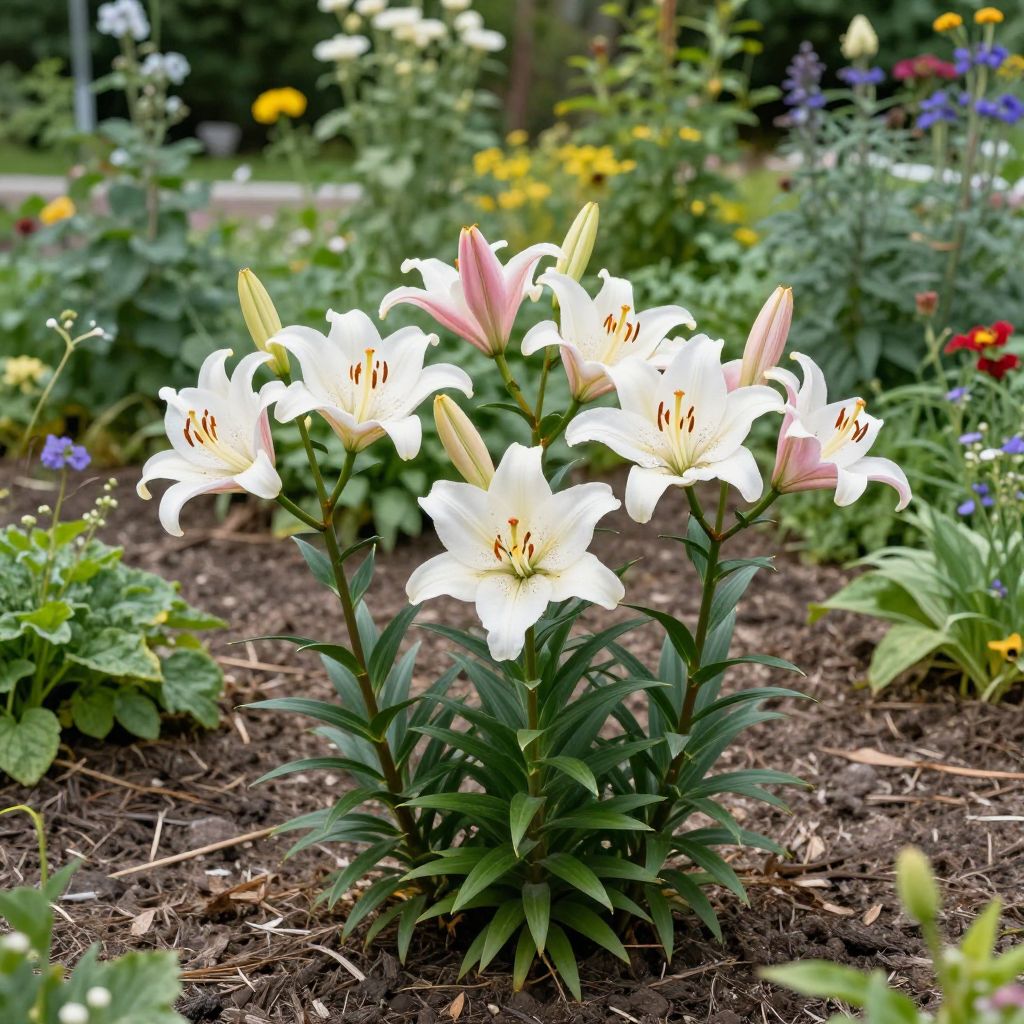
When are lilies in season? If you want blooms at the right time, the answer depends on the type of lily, your climate, and whether you’re growing them in the ground or in pots. Most garden lilies flower from early summer into late summer, with some varieties blooming earlier or later than others.
Understanding the lily season helps you choose bulbs, plan planting, and keep flowers coming for as long as possible. With the right mix of sunlight, drainage, and timing, you can enjoy a longer display and healthier plants year after year.
When are lilies in season?
Lilies are typically in season from late spring through summer, with the main bloom period usually falling between June and August in many temperate gardens. Asiatic lilies often bloom first, followed by Oriental lilies, trumpet lilies, and some species or hybrids that flower later, depending on your local climate and planting conditions.
What affects lily bloom time?
Lily season is not the same everywhere. Temperature, daylight, bulb type, and planting depth all influence when flowers open and how long they last.
Climate and region
In cooler areas, lilies often bloom later than they do in warmer gardens. In mild climates, the same variety may flower weeks earlier, especially if spring arrives quickly and soil warms sooner.
Variety and lily group
Different lily groups bloom at different times, so choosing a mix can extend the season.
- Asiatic lilies: usually among the earliest to bloom.
- Oriental lilies: often bloom later in summer and may have larger, fragrant flowers.
- Trumpet and Aurelian lilies: commonly bloom in mid to late summer.
- Species lilies: timing varies widely by species and local conditions.
Sunlight and soil warmth
Lilies in full sun generally bloom more reliably and on time. In partial shade, flowering may be delayed and stems may stretch toward light, especially in cooler climates.
How to tell if your lilies are on schedule
Healthy lilies usually send up sturdy stems in spring, then form buds before opening into flowers. If your plants are alive but not blooming when you expect, the issue is often light, drainage, or bulb stress rather than a fixed calendar problem.
Normal seasonal signs
- New shoots appear in spring as soil warms.
- Stems grow steadily before buds form.
- Flowers open over a period of days or weeks, not all at once.
- Foliage stays green after blooming to recharge the bulb.
Signs something is off
- Weak, floppy stems may mean too little light.
- No buds can point to overcrowding, poor soil, or bulb damage.
- Yellowing leaves before bloom may suggest waterlogged soil.
- Short flowering time can happen in hot weather or with stressed bulbs.
How to grow lilies for the best season of bloom
If you want lilies to bloom on time and for as long as possible, focus on the growing conditions they prefer. Good drainage, steady moisture, and enough sun matter more than complicated care routines.
Planting location
Choose a spot with at least 6 hours of direct sun in most climates. In very hot regions, lilies may appreciate light afternoon shade, but too much shade reduces flowering.
Soil and drainage
Lilies dislike soggy soil. Plant them in loose, fertile ground that drains well, and mix in compost if the soil is poor or compacted. If water sits after rain, consider raised beds or containers.
Planting depth and spacing
Plant bulbs at a depth that protects them from temperature swings and helps stems stay upright. A common rule is to plant bulbs about 2 to 3 times as deep as the bulb is tall, though exact depth can vary by lily type and soil texture. Space them so air can move between plants.
Watering
Water lilies after planting and during dry spells, but avoid keeping the soil constantly wet. Consistent moisture supports bud formation, while waterlogging can rot bulbs and shorten the season.
Mulching
A light mulch helps keep roots cooler and soil moisture more even. Keep mulch a little away from emerging stems so the shoots can rise cleanly.
How to extend lily season in the garden
You can stretch the bloom window by planting different lily types and by caring for the plants before and after flowering. A little planning goes a long way.
- Mix early, mid, and late bloomers so flowers open in succession.
- Plant lilies in a sunny, sheltered spot to reduce wind damage.
- Deadhead faded flowers to keep the plant tidy, but leave the foliage in place.
- Feed lightly in spring with compost or a balanced bulb fertilizer if your soil is poor.
- Keep the soil evenly moist during active growth and bud formation.
Deadheading and after-bloom care
Remove spent flowers once petals drop, but do not cut the stem down immediately. The leaves need time to photosynthesize and rebuild the bulb for next year’s bloom.
Important: Never remove lily foliage too early. If you cut it back while it is still green, you may reduce next year’s flowers.
Common problems that affect lily season
When lilies bloom late, weakly, or not at all, the cause is often easy to trace. Most issues are related to light, soil, pests, or overcrowding.
Pests
Lily beetles can damage leaves and buds quickly, especially in some regions. Aphids may also cluster on stems and buds, weakening growth and spreading stress to the plant.
- Check the undersides of leaves regularly.
- Remove pests by hand when possible.
- Keep plants healthy so they can recover from minor damage.
Diseases and rot
Poor drainage can lead to bulb rot and fungal problems. If stems collapse or bulbs feel soft and smell bad, the soil may be too wet or the bulb may have been damaged.
- Improve drainage before replanting.
- Discard any rotted bulbs.
- Avoid overhead watering late in the day if fungal issues are common in your area.
Overcrowding
Lilies can decline if they stay in one spot too long without division. Crowded bulbs compete for water and nutrients, which can reduce flowering and shift bloom time.
Can you plant lilies to get flowers in a specific season?
You can influence lily bloom timing, but you cannot force every plant to flower on an exact date outdoors. The best approach is to choose the right lily type and plant it at the right time for your climate.
Outdoor planting
In many gardens, bulbs are planted in fall or early spring, depending on local winter conditions and the type of lily. The bulb then settles in before the main growing season and blooms when temperatures are suitable.
Container growing
Potted lilies can be easier to position in full sun and protect from excess rain. Containers also warm up faster in spring, which may slightly advance bloom time, but they dry out more quickly and need careful watering.
Forcing indoors
Some gardeners try to force lilies indoors, but results vary by variety and bulb preparation. If you want reliable indoor flowers, choose bulbs specifically suited to container culture and follow the supplier’s guidance closely.
Harvesting lilies for cut flowers
If you grow lilies for bouquets, harvest them when the first buds are showing color but before all flowers fully open. This gives you longer vase life and reduces pollen mess indoors.
- Cut stems early in the morning or in cooler parts of the day.
- Use clean, sharp pruners or a knife.
- Leave at least one-third of the stem and all healthy leaves on the plant.
- Place cut stems in water right away.
For cut flowers, choose stems with several buds at different stages. They will open gradually indoors, extending the display.
Practical maintenance through the lily season
Simple maintenance helps lilies stay attractive from bud to fade. The goal is to support the bulb without overhandling the plant.
What to do during bloom
- Stake tall varieties if wind or rain makes them lean.
- Water at the base when the soil begins to dry.
- Remove damaged blooms to keep the plant neat.
- Watch for beetles and other pests before they spread.
What to do after bloom
Let the foliage remain until it yellows naturally. Once the leaves die back, you can cut the stems down and tidy the bed.
If your lilies are in containers, reduce watering gradually after flowering as the foliage fades, but do not let the pot dry out completely while leaves are still green.
Quick troubleshooting guide
If your lilies are not blooming when expected, use this simple checklist to narrow down the cause.
- Too much shade: move or thin nearby plants if possible.
- Poor drainage: replant in raised soil or a better-draining site.
- Overcrowded bulbs: divide and replant when dormant.
- Foliage removed too early: let leaves stay until they yellow.
- Pest damage: inspect stems and buds regularly.
Conclusion
So, when are lilies in season? In most gardens, expect the main show from late spring through summer, with exact timing shaped by variety and climate. To get the best bloom window, plant in full sun, keep soil well drained, and leave the foliage standing after flowering.
If you want to plan your garden more precisely, you may also find it helpful to read about when to plant lily bulbs and revisit this guide on when lilies are in season as you map out your planting schedule.