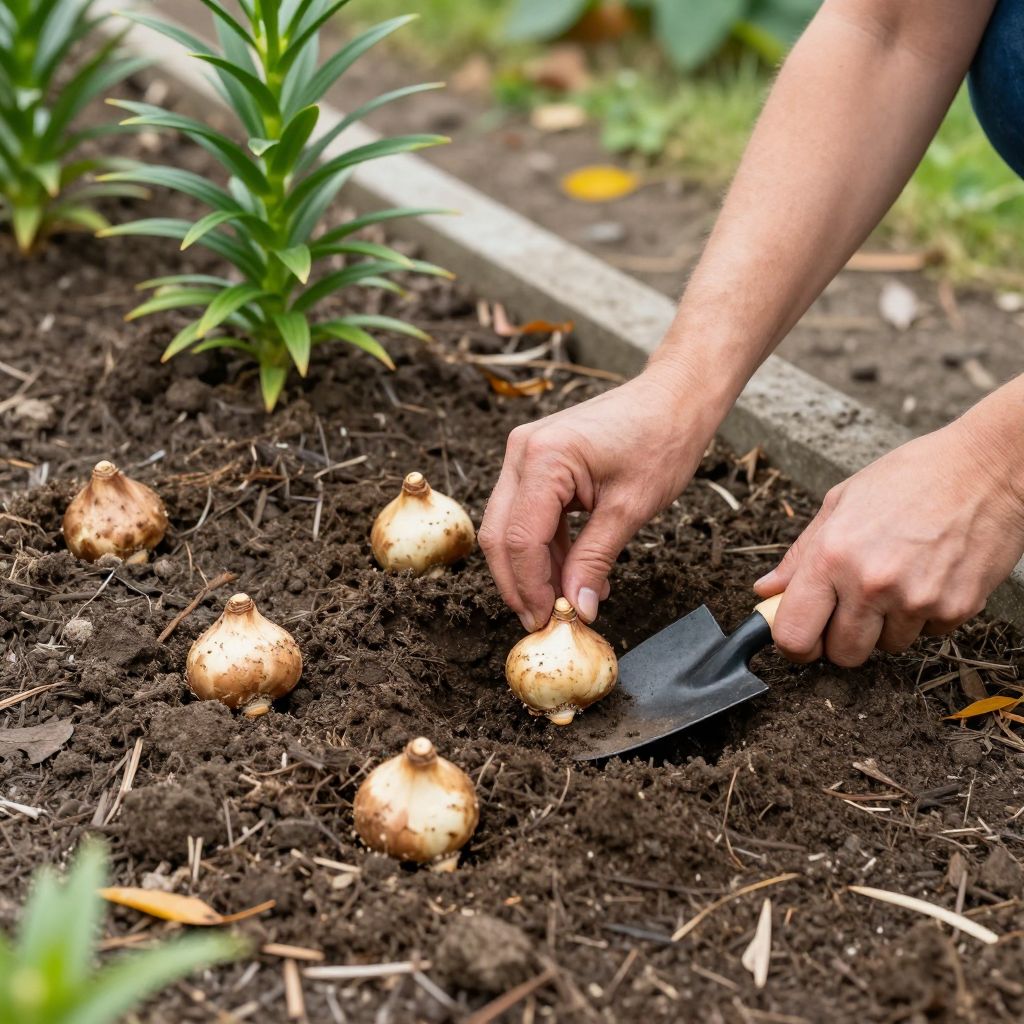
Wondering when to plant lily bulbs so they bloom well and settle in without trouble? The best timing depends on your climate and the type of lily, but in most gardens the safest window is either early fall or spring. Planting at the right time gives the bulbs cool soil, steady moisture, and enough root growth before flowering season.
With a little planning, lilies are easy to grow and rewarding for years. The key is choosing a planting time that matches your local weather, then giving the bulbs good drainage, the right depth, and enough sun to build strong stems and large blooms.
When to plant lily bulbs?
Plant lily bulbs in early fall in mild climates, or in spring after the soil has warmed and danger of hard frost has passed. Fall planting helps bulbs root before winter and often leads to stronger growth. In colder areas, spring planting is safer because the bulbs are less likely to rot or heave out of the ground.
Best planting time by season
Fall planting
Fall is often the best time for true lilies, especially in regions with cool winters but not extreme waterlogged soils. The bulbs use the cool season to establish roots, then emerge strongly in spring.
- Plant after the worst summer heat has passed.
- Choose a time when soil is still workable, not frozen.
- Give bulbs several weeks before the ground freezes so roots can form.
Fall planting works especially well where winters are cold enough to give lilies a natural dormancy, but not so wet that the bulbs sit in soggy soil for months.
Spring planting
Spring planting is the better choice if your winters are severe, your soil stays wet, or you missed the fall window. Plant as soon as the soil can be worked and is no longer cold and saturated.
- Wait until frost danger is mostly past in your area.
- Do not plant into cold, sticky soil.
- Expect later blooms than fall-planted bulbs.
If you buy lilies in containers or as potted plants in spring or early summer, you can transplant them then as long as you keep the root ball intact and water them in well.
What about summer planting?
Summer is not ideal for planting dormant lily bulbs, but container-grown lilies can be planted during the growing season if you can keep them evenly watered. Avoid planting bare bulbs during hot, dry weather unless you can provide careful aftercare.
How to plant lily bulbs correctly
Good planting technique matters as much as timing. Lilies need loose, well-drained soil and enough depth to support their tall stems.
- Choose a sunny site with at least 6 hours of direct sun, or morning sun with light afternoon shade in hot climates.
- Improve the soil with compost if it is thin or heavy, but do not make it overly rich or soggy.
- Dig a hole deep enough for the bulb to sit about 3 times its height below the soil surface. Many lilies do well at 6 to 8 inches deep, depending on bulb size and soil type.
- Place the bulb pointy side up and spread the roots downward if they are visible.
- Backfill gently and firm the soil lightly to remove air pockets.
- Water thoroughly once after planting, then keep the soil lightly moist while roots establish.
In heavier soil, plant a little shallower and rely on improved drainage. In very sandy soil, a slightly deeper planting can help protect bulbs from drying out.
Spacing and depth
Space most lily bulbs about 8 to 12 inches apart, or farther for larger types that will multiply over time. Crowding reduces airflow and can encourage disease.
A useful rule is to plant lilies deep enough that the stem has support, but not so deep that shoots struggle to emerge. If you are unsure, a depth of about 3 times the bulb’s height is a reliable guide.
Soil, drainage, and compost needs
Lilies dislike wet feet. The most common reason bulbs fail is poor drainage, not cold weather.
Ideal soil conditions
- Loose, fertile soil that drains well
- Neutral to slightly acidic pH is often suitable for many garden lilies
- Consistent moisture without standing water
If your soil is clay-heavy, work in compost and consider planting in raised beds or mounded rows. If your soil is very sandy, compost helps it hold moisture and nutrients better.
Avoid fresh manure or strong, high-nitrogen amendments right in the planting hole. Too much nitrogen can produce soft growth and fewer flowers.
Sunlight and climate considerations
Most lilies bloom best in full sun, but many appreciate some afternoon shade in hot climates. The cooler the summer, the more sun they can usually handle.
If you garden in a warm region, choose a spot where the bulb stays cool underground and the top growth is not stressed by intense afternoon heat. Mulch can help moderate soil temperature, but keep it a few inches away from the stems.
In colder climates, planting time matters more because the bulbs need enough time to root before the ground freezes. In milder climates, fall planting often gives the best start.
Watering after planting and during growth
Water newly planted lilies deeply once, then keep the soil evenly moist while roots establish. After that, water when the top inch or two of soil begins to dry, especially during active growth and bud formation.
- Do not let bulbs sit in waterlogged soil.
- Do not let young shoots dry out for long periods.
- Water at the base of the plant to keep foliage drier and reduce disease risk.
Established lilies are more drought-tolerant than newly planted bulbs, but they still flower better with steady moisture during spring and early summer.
Mulching, staking, and seasonal care
A light mulch can help conserve moisture and keep roots cooler. Use shredded bark, leaf mold, or composted material, but keep mulch from touching the stems directly.
Tall lilies may need staking in windy locations or in rich soil where stems grow especially high. Put supports in early so you do not damage roots later.
After flowering
Do not cut the foliage down immediately after blooms fade. The leaves feed the bulb for next year’s flowers.
- Remove spent flowers to keep the plant tidy.
- Leave stems and leaves until they yellow naturally.
- Cut stems back only after the foliage has fully died down.
This is one of the most important maintenance steps for strong lily performance year after year.
Common mistakes to avoid
- Planting too shallow, which can leave bulbs unstable and more exposed to temperature swings.
- Planting in soggy soil, which often causes rot before growth begins.
- Skipping sun, which leads to weak stems and fewer blooms.
- Removing foliage too early, which weakens the bulb for the next season.
- Overfertilizing, which can push leafy growth instead of flowers.
If your lilies have failed before, drainage and planting depth are the first things to check. Those two factors solve many problems.
Problems that can show up after planting
Bulbs rot before sprouting
This usually means the soil stayed too wet or the bulbs were planted too deep in heavy ground. Replant in a better-drained spot, or raise the bed if needed.
Weak, floppy stems
Too little light, crowded planting, or overly rich soil can cause weak growth. Move lilies to a brighter site and avoid excess nitrogen.
Few or no flowers
Bulbs may need another season to establish, especially if planted in spring. Poor sun, early foliage removal, or overcrowding can also reduce blooming.
Pests and diseases
Lilies can be bothered by aphids, slugs, and the red lily beetle in some regions. Good airflow, clean garden habits, and regular inspection help limit damage.
Fungal problems are more likely when foliage stays wet for long periods. Water at soil level and avoid crowding plants too tightly.
Can you plant lily bulbs in pots?
Yes. Container growing is a good option if your garden soil is heavy or if you want to place lilies on a patio or balcony. Use a pot with drainage holes and a quality potting mix that drains well.
- Choose a container deep enough for root growth and bulb depth.
- Keep the pot in full sun or bright light.
- Water more often than in-ground plants, since pots dry out faster.
- Protect containers from severe winter freeze if your climate is cold.
Container lilies still need a dormant period, so do not keep them warm and constantly growing year-round unless you are working with a specific indoor forcing setup.
Propagating and dividing lilies
Most lilies are propagated by offsets, bulb scales, or division, depending on the type. This is usually done when the clump becomes crowded, not every year.
If blooms get smaller or stems become congested, lift and divide the bulbs during dormancy. Replant immediately in fresh, well-drained soil.
Be gentle with the scales and roots, because damaged bulbs recover more slowly. Healthy divisions should have firm tissue and no signs of rot.
Quick planting checklist
- Plant in early fall or spring, depending on your climate.
- Choose a sunny, well-drained site.
- Plant about 3 times the bulb’s height deep.
- Space bulbs 8 to 12 inches apart.
- Water after planting, then keep moisture even.
- Leave foliage in place until it yellows naturally.
Conclusion
If you remember one thing about when to plant lily bulbs, make it this: plant in fall where winters are moderate, or in spring where winters are harsh or soil stays wet. Match the timing to your local conditions, prepare well-drained soil, and your lilies will have the best chance to root, grow, and bloom beautifully.
If you want to expand your bulb garden, it also helps to read about planting spring-flowering bulbs and growing lilies successfully for more seasonal care ideas.
Leave a Reply