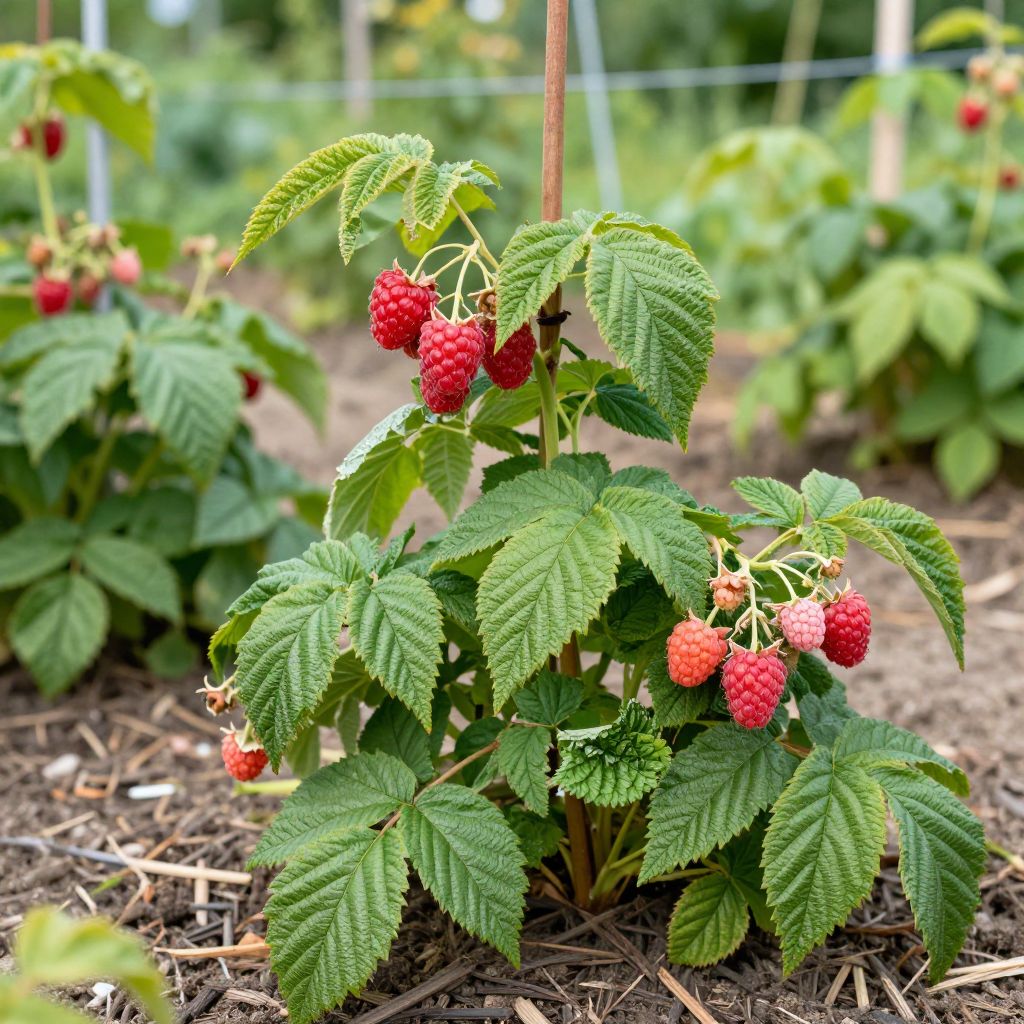
Wondering when is raspberry season, and how to tell whether your plants are ready to pick? The answer depends on the type of raspberry you grow, your climate, and the weather that season. Most home gardeners harvest raspberries from early summer through fall, with some plants producing one crop and others giving two.
If you know how to read the canes, flowers, and fruiting pattern, you can time harvests well and avoid missing the best berries. A little seasonal know-how also helps you prune correctly, protect plants from pests, and keep your raspberry patch productive year after year.
When is raspberry season?
Raspberry season usually runs from late spring through early fall, but the exact timing depends on variety and location. Summer-bearing raspberries ripen once in early to midsummer, while everbearing or fall-bearing types can produce a summer crop and a second crop later in the season, or just one larger fall crop.
What affects raspberry season timing?
Several factors shift raspberry harvest dates by weeks or even months. Your local climate, the variety you planted, and spring weather all matter, so the same plant may ripen earlier in a warm region and later in a cooler one.
1. Raspberry type
- Summer-bearing raspberries fruit on canes that grew the previous year. These usually ripen in early to midsummer.
- Fall-bearing or everbearing raspberries fruit on current-season canes. They often ripen from late summer into fall.
2. Climate and growing zone
Cool springs delay flowering and ripening. Warm, sunny areas tend to bring earlier harvests, while high elevations and northern climates often push the season later.
3. Sunlight and site conditions
Raspberries need full sun for best fruiting. Plants in partial shade may still grow, but berries often ripen more slowly and can be less sweet.
4. Weather during bloom and fruit set
Cold snaps, heavy rain, wind, and poor pollination can reduce crop size or delay ripening. Extended wet weather can also make ripe fruit softer and more prone to mold.
How to tell when raspberries are ripe
Ripe raspberries come off the plant easily with a gentle tug. They should be fully colored, plump, and fragrant, with a dry, intact surface. If you have to pull hard, the berry is not ready yet.
- Color: Fully red, black, purple, or gold depending on variety.
- Texture: Firm but not hard.
- Ease of picking: The berry separates from the receptacle without crushing.
- Taste: Sweet-tart and aromatic, not grassy or bland.
Pick often during peak season, usually every one to three days. Raspberries ripen quickly, and leaving ripe fruit on the cane can invite birds, insects, and rot.
Growing raspberries for the right season
If you want a longer harvest window, choose a mix of summer-bearing and fall-bearing raspberries. That way you can enjoy berries over a broader stretch of the year instead of all at once.
Planting conditions that support good fruiting
- Sun: At least 6 to 8 hours of direct sun daily.
- Soil: Rich, well-drained soil with plenty of organic matter.
- Drainage: Avoid soggy ground, which encourages root problems.
- Airflow: Space plants well to reduce disease pressure.
Raspberries do best in soil that holds moisture but drains well. Before planting, work in compost to improve structure and fertility, especially if your soil is sandy or heavy clay.
When to plant
Planting time varies by region, but many gardeners set out bare-root or container-grown raspberries in early spring or fall when the soil is workable. In colder climates, spring planting is often safer. In mild climates, fall planting can help roots establish before summer heat.
Pruning by raspberry type
Pruning strongly affects when you harvest. If you prune the wrong canes at the wrong time, you can remove next season’s crop.
Summer-bearing raspberries
These fruit on second-year canes, called floricanes. After harvest, remove the canes that fruited, since they will not produce again.
- Cut spent canes down to ground level after harvest.
- Keep the strongest new canes for next year’s crop.
- Thin crowded canes so light and air can reach the patch.
Fall-bearing raspberries
These fruit on first-year canes, called primocanes. You can either cut all canes to the ground in late winter for one fall crop, or manage them for two crops if your variety supports that system.
Important: If you are unsure which type you have, watch when the berries appear. Summer fruit on older canes points to a summer-bearing type; berries on new canes point to a fall-bearing type.
Watering, feeding, and maintenance during the season
Consistent moisture helps berries size up and ripen evenly. The goal is steady, even watering rather than soaking the bed and then letting it dry out completely.
Watering tips
- Water deeply during dry spells, especially while plants are flowering and fruiting.
- Keep the root zone evenly moist, not waterlogged.
- Mulch with straw, shredded leaves, or wood chips to conserve moisture and suppress weeds.
Avoid wetting the foliage late in the day if possible. Damp leaves can encourage fungal disease, especially in humid climates.
Feeding and soil care
Raspberries usually respond well to compost and balanced soil fertility, but too much nitrogen can push leafy growth at the expense of fruit. If your plants are vigorous but not productive, check whether they are overcrowded, shaded, or overfed.
Common pests and diseases that affect harvest timing
Pests and diseases can shorten raspberry season, reduce yield, or make fruit unusable. Early detection matters more than trying to rescue a badly damaged crop later.
Common pests
- Birds: Often the biggest threat to ripe fruit. Netting can help.
- Japanese beetles or cane borers: May damage leaves or canes, depending on your region.
- Spotted wing drosophila: Can lay eggs in ripening fruit in some areas.
Common diseases
- Gray mold: More likely in wet, crowded plantings.
- Cane diseases: Can cause dieback, weak growth, or poor fruiting.
- Root rot: Often linked to poorly drained soil.
To reduce problems, pick fruit promptly, remove damaged berries, keep canes thinned, and clear fallen fruit from the ground. Good airflow and clean pruning cuts go a long way.
Harvesting raspberries correctly
Harvest in the cool part of the day if you can, especially during hot weather. Handle fruit gently because raspberries bruise easily and do not store as long as firmer berries.
- Check plants every day or two during peak ripening.
- Hold the berry lightly and lift or tug gently.
- Pick only fully ripe fruit; raspberries do not ripen much after harvest.
- Place berries in a shallow container to avoid crushing.
If you plan to store them, refrigerate as soon as possible. Remove damaged or moldy berries quickly so they do not spoil the rest.
How to extend raspberry season in your garden
You can stretch the harvest by planting more than one type, choosing cultivars with different ripening windows, and keeping canes healthy. A well-managed patch can give you berries for several weeks or even months.
Practical ways to lengthen the harvest
- Grow both summer-bearing and fall-bearing raspberries.
- Plant in a sunny, sheltered site to encourage earlier ripening.
- Mulch and water consistently to reduce stress during fruiting.
- Prune correctly so plants keep producing strong canes.
In colder regions, a simple row cover or frost protection during late spring cold snaps can sometimes protect blossoms and help preserve the crop, but use it only when needed and remove it once temperatures moderate.
Common mistakes to avoid
Many raspberry problems come from a few avoidable errors. Fixing these can improve both timing and yield.
- Planting in shade: Leads to slower ripening and fewer berries.
- Overcrowding canes: Reduces airflow and increases disease.
- Letting fruit overripe on the plant: Attracts pests and softens berries.
- Pruning the wrong canes: Can remove next year’s crop.
- Poor drainage: Weakens roots and lowers productivity.
Conclusion
When is raspberry season? For most gardens, it begins in early summer or late summer depending on the type you grow, then continues into fall for everbearing varieties. Watch for fully colored, easily detached berries, and keep plants pruned, mulched, and well-watered for the best harvest.
If you want to plan your berry patch more effectively, you may also find it helpful to read when raspberries are in season and when to fertilize strawberries for more seasonal fruit-growing guidance.