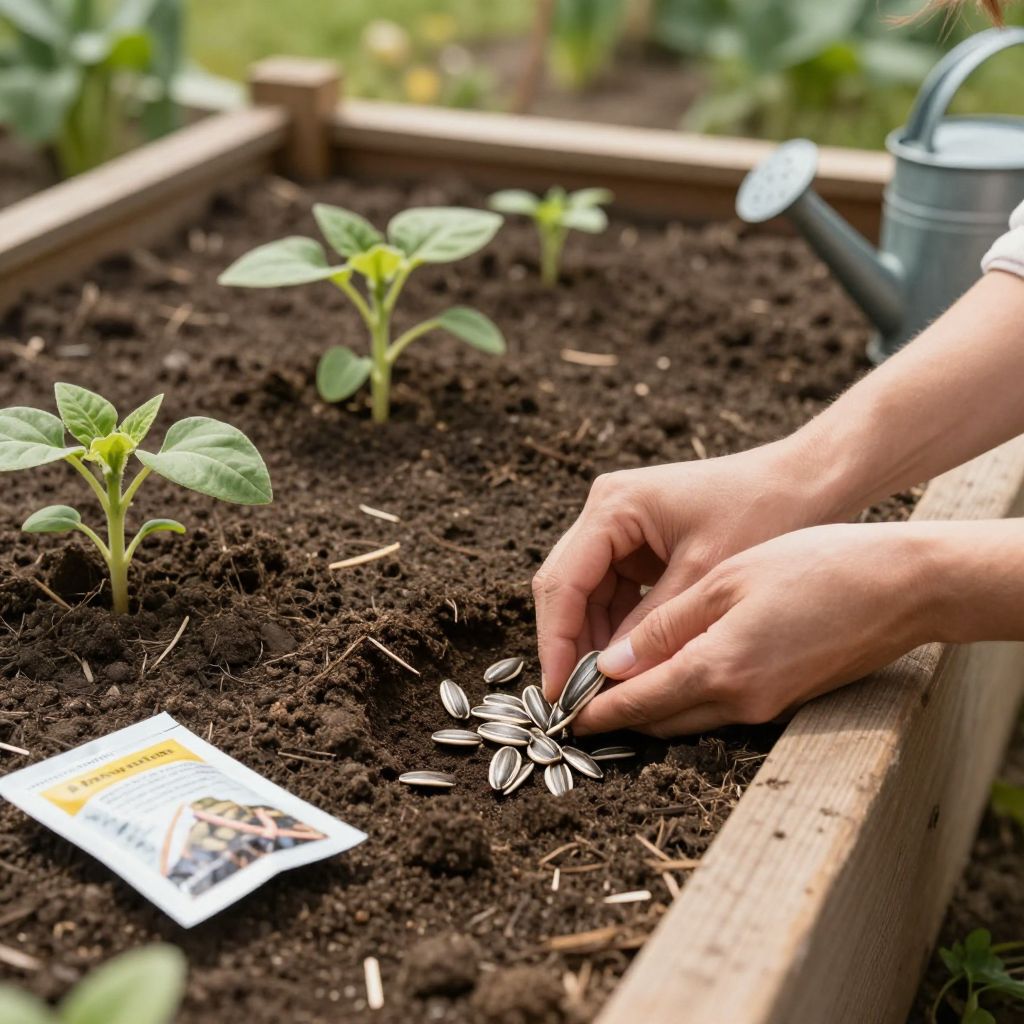
When do you plant sunflowers? The short answer is to sow them outdoors after the last frost, once the soil has warmed and the danger of hard cold snaps has passed. Sunflowers germinate best in warm soil and grow quickly, so timing matters more than an exact calendar date.
If you start too early, seeds may rot or seedlings may stall in cold ground. If you wait too long, you can still plant many varieties and enjoy blooms later in the season, as long as you give them enough sun and time to mature.
When do you plant sunflowers?
Plant sunflower seeds outdoors in spring after your local last frost date, when soil temperatures are at least about 50°F to 55°F and rising. In most climates, that means late spring. You can also sow successively every 1 to 2 weeks for a longer bloom window, stopping when there is no longer enough time for your chosen variety to flower before cool weather returns.
How to choose the right planting time
Sunflowers are warm-season annuals, which means they prefer heat, bright sun, and frost-free weather. The best planting date depends on your local climate, your soil, and the type of sunflower you want to grow.
Use frost dates as your first guide
Check your average last spring frost date and wait until that point has passed. A light frost can damage young sunflower seedlings, and cold soil slows germination.
Watch the soil temperature
Even if the air feels mild, cold soil can delay sprouting. Sunflower seeds usually do better when the soil is consistently warm, not just warm during the day.
- Cool climates: often plant in late spring or early summer.
- Mild climates: you may be able to plant earlier in spring.
- Very hot climates: planting may be best in early spring or again in late summer for a fall display, if your season allows it.
Count backward from bloom time
Most sunflowers need roughly 70 to 100 days, sometimes more or less depending on variety, to flower. If you want blooms by a certain date, count back from that point and make sure your planting window gives the plants enough time to mature.
Best conditions for planting sunflowers
Sunflowers are easy to grow when you give them the right site from the start. They need full sun, well-drained soil, and enough space for their roots and stems to develop.
Sunlight
Choose a spot with at least 6 to 8 hours of direct sun each day. More sun usually means sturdier stems and better flowering.
Soil
Sunflowers tolerate many soil types, but they perform best in loose, fertile, well-drained soil. Heavy clay can work if it drains reasonably well and you loosen it before planting.
Compost and drainage
Mixing in compost can improve soil structure and help seedlings establish. Avoid planting in soggy ground, because waterlogged soil can cause seeds to rot and young roots to struggle.
- Add compost to improve texture and moderate fertility.
- Break up compacted soil so roots can grow deeply.
- Choose raised beds or mounded rows if your soil stays wet after rain.
How to plant sunflower seeds outdoors
Direct sowing is usually the simplest and most reliable way to grow sunflowers. They dislike root disturbance, so planting seeds where they will grow is often better than transplanting.
- Prepare a sunny bed with loose soil and remove weeds.
- Plant seeds about 1 inch deep in most garden soils.
- Space them according to the mature size of the variety.
- Water gently after planting to settle the soil.
- Keep the area evenly moist until germination.
Spacing matters
Spacing depends on the sunflower type. Tall garden sunflowers need more room than dwarf varieties. Crowded plants compete for water and light, and they are more likely to flop in wind.
- Tall varieties: often need 12 to 18 inches or more between plants.
- Branching types: may need even more room.
- Dwarf types: can be planted closer together, but still need airflow.
Stagger planting for longer blooms
If you want flowers over several weeks, sow a small batch every 1 to 2 weeks during the suitable planting window. This works especially well for cutting gardens and family gardens where you want a steady supply of blooms.
Can you start sunflowers indoors?
You can start sunflowers indoors, but it is usually only worth doing if your season is short or you want an early start with a variety that handles transplanting well. Many gardeners still prefer direct sowing because sunflowers grow fast and can become root-bound in pots.
If you start seeds indoors
Use biodegradable pots or a method that minimizes root disturbance. Sow seeds in a sunny, warm place and transplant carefully once outdoor conditions are safe.
- Start about 2 to 4 weeks before your last frost date, if needed.
- Use a container that allows roots to develop without circling tightly.
- Harden off seedlings before moving them outside.
Important: If seedlings are kept indoors too long, they can become leggy and weak. Sunflowers usually do better when moved outside while still young.
Watering and early care after planting
Sunflower seeds need consistent moisture to sprout, but they should not sit in water. After germination, the goal is steady watering that encourages deep roots rather than shallow, fragile growth.
During germination
Keep the top layer of soil lightly moist until seedlings emerge. If the weather is warm and dry, you may need to water more often.
After seedlings appear
Water deeply when the soil begins to dry, especially during hot spells. Established sunflowers are fairly drought-tolerant, but they grow better and bloom more reliably with regular moisture.
- Water at the base of the plant when possible.
- Avoid soaking the foliage late in the day.
- Mulch lightly to help conserve moisture and suppress weeds.
Common mistakes to avoid
Most sunflower problems start with planting too early, too close together, or in a poor site. A few simple corrections can make a big difference.
- Planting in cold soil: seeds may rot or sprout slowly.
- Overwatering: soggy soil can weaken roots and invite disease.
- Too little sun: plants may lean, stretch, and bloom poorly.
- Skipping support for tall types: strong wind can snap stems.
- Moving seedlings too late: root disturbance can stunt growth.
Pests, diseases, and practical troubleshooting
Sunflowers are generally straightforward, but young plants can face a few common issues. Catching problems early is easier than trying to fix them after the plants are large.
Birds and squirrels
Animals may dig up freshly planted seeds or eat ripening heads. If this is a problem in your garden, cover the area lightly with mesh until seedlings emerge, or use physical barriers around developing heads later in the season.
Slugs and snails
These pests can chew young seedlings, especially in damp weather. Reduce hiding places, water in the morning, and check plants regularly.
Fungal problems
Poor airflow, wet foliage, and crowded planting can encourage disease. Give plants space, avoid overhead watering when possible, and remove badly affected leaves if needed.
Weak stems
If plants grow tall and thin, they may not be getting enough sun or may be crowded. Improve light exposure, thin seedlings, and stake tall varieties before they lean too much.
Growing sunflowers in pots or containers
Container growing works well for dwarf and shorter sunflower varieties. The same timing rules apply: wait until frost danger has passed and the weather is warm enough for active growth.
Container basics
Use a large pot with drainage holes and a quality potting mix. Containers dry out faster than garden beds, so check moisture often during warm weather.
- Choose a pot that is deep enough for root growth.
- Place containers in full sun.
- Support taller plants if the pot is exposed to wind.
Harvesting and enjoying your sunflowers
If you are growing sunflowers for cut flowers, harvest them when the bloom is just opening and the petals are fresh. For seeds, let the flower heads mature on the plant until the backs turn yellow to brown and the seeds begin to firm up.
Leave some seed heads in the garden if you want to feed birds later, but protect ripening heads if wildlife pressure is high. If you save seed, make sure the variety is open-pollinated and that the plants were not likely to cross with other sunflowers nearby.
Quick seasonal planting guide
Use this simple rule: plant sunflowers after frost, in warm soil, with plenty of sun. Then adjust for your climate and your variety’s maturity time.
- Spring: best time for most gardens.
- Early summer: still workable in many regions for quick-maturing varieties.
- Late summer: only in places with a long enough warm season for blooms before frost.
Conclusion
When do you plant sunflowers? In most gardens, the right time is after the last frost, once the soil is warm and the site is sunny and well drained. If you want a longer display, sow in small batches during your planting window and give each plant enough space to grow strong.
For more seasonal planting help, you may also want to read how to start seeds outdoors and choosing the best flowers for full sun.