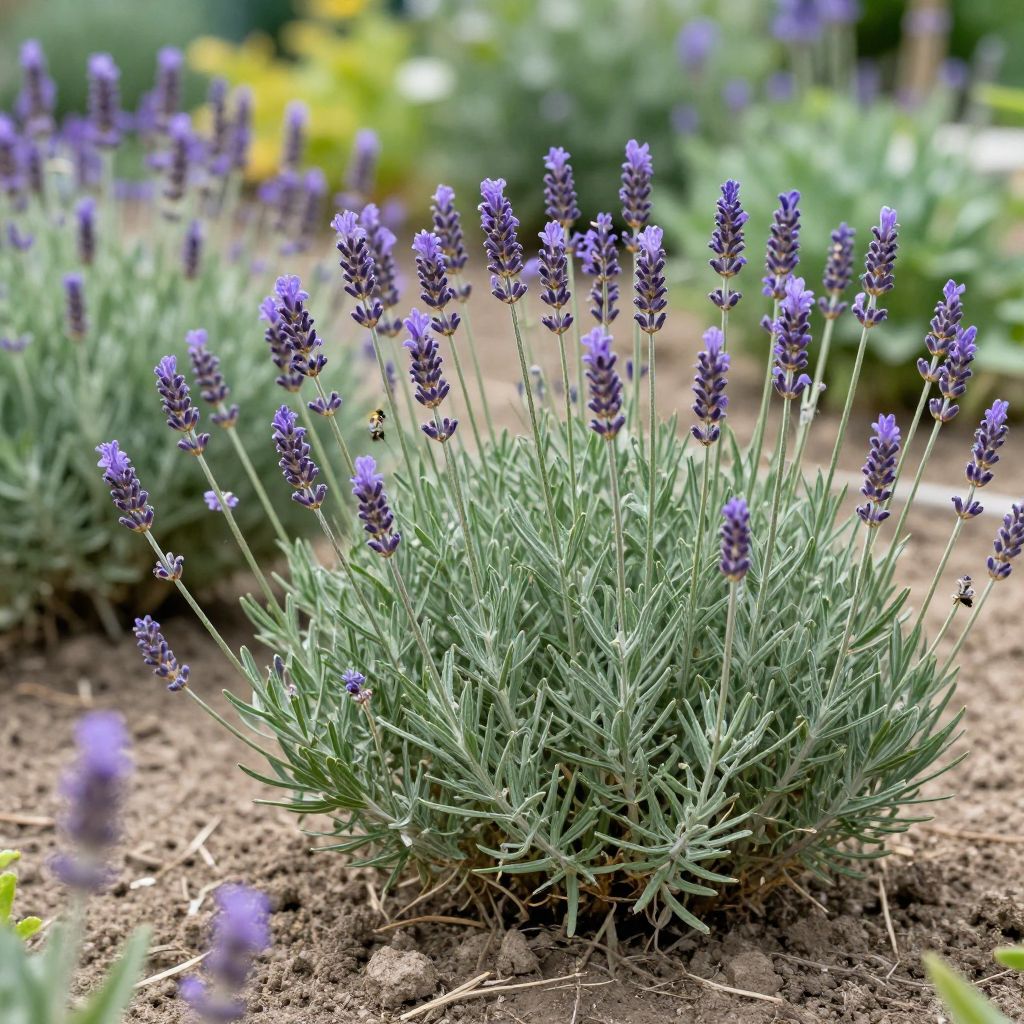
Wondering when does lavender bloom in your garden? The short answer is that most lavender flowers in late spring to midsummer, but the exact bloom window depends on the species, your climate, sun exposure, and how well the plant is grown. Some plants may bloom earlier in warm regions and later in cooler ones.
If you want reliable flowers, focus less on the calendar and more on growing conditions. Lavender blooms best in full sun, fast-draining soil, and relatively dry conditions; poor drainage, too much shade, or heavy pruning at the wrong time can reduce flowering.
When does lavender bloom?
Lavender usually blooms from late spring through summer, with the main flush often appearing in early to mid-summer. English lavender (Lavandula angustifolia) often flowers earlier than French or Spanish types, and many plants may give a second, lighter bloom if deadheaded after the first flush.
What affects lavender bloom time?
Lavender is not a one-date plant. Its bloom timing shifts with variety, climate, and plant age, so two plants in different gardens may flower weeks apart even if they’re the same kind.
1. Lavender species and cultivar
Different lavenders bloom at different times. In general:
- English lavender often blooms earlier, usually in late spring to early summer.
- French lavender and Spanish lavender often bloom later and can flower for a longer stretch in warm climates.
- Some cultivars are bred for compact growth, fragrance, or longer bloom periods, which can also affect timing.
2. Climate and location
In warm, sunny regions, lavender may start blooming earlier and finish sooner if summer heat arrives quickly. In cooler climates, bloom may be delayed until the weather settles and the plant has enough heat and light to push flower spikes.
3. Sun exposure
Lavender needs full sun to bloom well. If it gets less than 6 to 8 hours of direct sun, it may grow leafy and sparse with fewer flowers. Shade is one of the most common reasons gardeners ask why their lavender is not blooming.
4. Plant age and establishment
Young lavender plants often spend their first season building roots. Newly planted lavender may bloom lightly, but established plants usually flower more reliably. If your plant is still settling in, modest bloom is normal.
5. Pruning timing
Lavender blooms on new growth, so pruning at the wrong time can remove flower buds. If you cut back too late in spring, you may delay or reduce flowering for that season.
How to encourage more lavender blooms
If your goal is more flowers, the best approach is to match lavender’s natural preferences. This plant rewards restraint: lean soil, excellent drainage, and careful pruning usually produce better bloom than rich soil and frequent watering.
- Plant in full sun. Choose the brightest spot you have.
- Use well-drained soil. Lavender dislikes soggy roots.
- Avoid heavy compost or manure. Too much fertility can produce leafy growth instead of flowers.
- Water deeply, then let the soil dry slightly. Constant moisture can reduce vigor and increase disease risk.
- Prune lightly after flowering. This helps keep the plant compact and encourages future blooms.
Soil and drainage matter more than feeding
Lavender grows best in soil that drains quickly. If your soil stays wet after rain, plant lavender in a raised bed, a slope, or a container with drainage holes. In heavy clay, drainage improvement is often more important than fertilizer.
Avoid overfeeding lavender. Rich, nitrogen-heavy soil can lead to soft growth and fewer blooms. If your soil is already fertile, you may not need to add much at all.
Watering for better flowering
Newly planted lavender needs regular watering while roots establish, but mature plants prefer a drier rhythm. Water when the soil has dried somewhat rather than on a fixed schedule. In humid climates, overwatering is a common reason for weak growth and poor bloom.
Pruning without sacrificing flowers
Light pruning after the first bloom can encourage a tidier plant and sometimes a second flush of flowers. Trim spent flower stems and a small amount of green growth, but avoid cutting into old woody stems, which may not resprout well.
- Deadhead spent flower spikes to keep the plant neat.
- Shape the plant after flowering, not right before bloom time.
- Remove only a portion of soft growth, not the woody base.
Why lavender may not bloom
If your lavender is healthy but flowerless, the issue is usually environmental rather than mysterious. Most bloom problems trace back to too little sun, too much water, poor pruning, or a plant that is still immature.
Common reasons for no flowers
- Not enough sunlight — lavender needs strong direct sun.
- Wet soil — roots stressed by moisture may reduce flowering.
- Too much nitrogen — lush leaves, fewer blooms.
- Pruned too late — flower buds removed before opening.
- Young plant — still establishing roots.
- Wrong climate fit — some types perform better in certain regions.
How to troubleshoot bloom problems
Start by checking sun and drainage. If the plant is in shade or soggy soil, no amount of fertilizer will fully fix the issue. Move container-grown lavender to a sunnier spot, and if the soil is heavy, consider replanting in a better-drained location.
If the plant is large and leafy but not flowering, reduce feeding and avoid frequent watering. If it was pruned hard at the wrong time, give it a season to recover and focus on healthy growth rather than forcing bloom.
How to grow lavender for dependable seasonal bloom
Lavender is easiest to enjoy when you think like the plant: dryish roots, bright light, and a lean growing site. Whether you plant it in the ground or in a pot, the goal is to mimic the open, sunny conditions it prefers.
In the garden bed
Choose a site with full sun and excellent drainage. If your garden soil is clay-heavy, planting on a slight mound or raised bed can help keep roots from sitting in water after rain.
In containers
Containers are a good option if your soil is too wet or heavy. Use a pot with drainage holes and a gritty, fast-draining potting mix. Container lavender often blooms well when it gets strong sun and careful watering, but pots dry out faster than garden beds.
Spacing and airflow
Give lavender enough room for air to move around the plant. Good airflow helps reduce fungal problems, especially in humid climates. Crowded plants may stay damp longer and bloom less reliably.
Harvesting lavender at the right time
If you want flowers for drying or fragrance, harvest when the first florets on a spike have opened but before the whole stem is fully spent. This is often when the scent is strongest and the stems hold up well for bunching.
- Cut stems in the morning after the dew has dried.
- Use clean pruners or snips.
- Leave some green growth on the plant so it can recover.
Harvesting can also serve as a form of deadheading. Removing spent spikes may encourage a tidier plant and, in some cases, a smaller repeat bloom later in the season.
Seasonal bloom guide at a glance
- Late spring: early-blooming lavender types may begin flowering.
- Early to midsummer: peak bloom for many gardens.
- Late summer: some plants produce a lighter second flush after deadheading.
- Fall: flowering usually slows or stops as days shorten and temperatures cool.
Frequently asked bloom questions
Will lavender bloom the first year?
Sometimes, yes, but first-year bloom is often lighter than what you’ll see on an established plant. A young lavender may prioritize root growth before producing a full flower display.
Can lavender bloom more than once?
Some lavender plants can rebloom lightly if you deadhead after the first flush and the season stays favorable. A second bloom is usually smaller than the first.
Does lavender bloom in shade?
Lavender may survive in partial shade, but flowering is usually poor. For the best bloom, give it full sun.
Conclusion
When does lavender bloom? Most plants flower from late spring into summer, but the exact timing depends on the type of lavender and how well it’s grown. If you want more blooms, focus on sun, drainage, and careful pruning. Check your plant’s location this season and make one improvement that will help it flower better next year.
For more practical growing help, you may also want to read about how to prune lavender and the best soil for lavender.