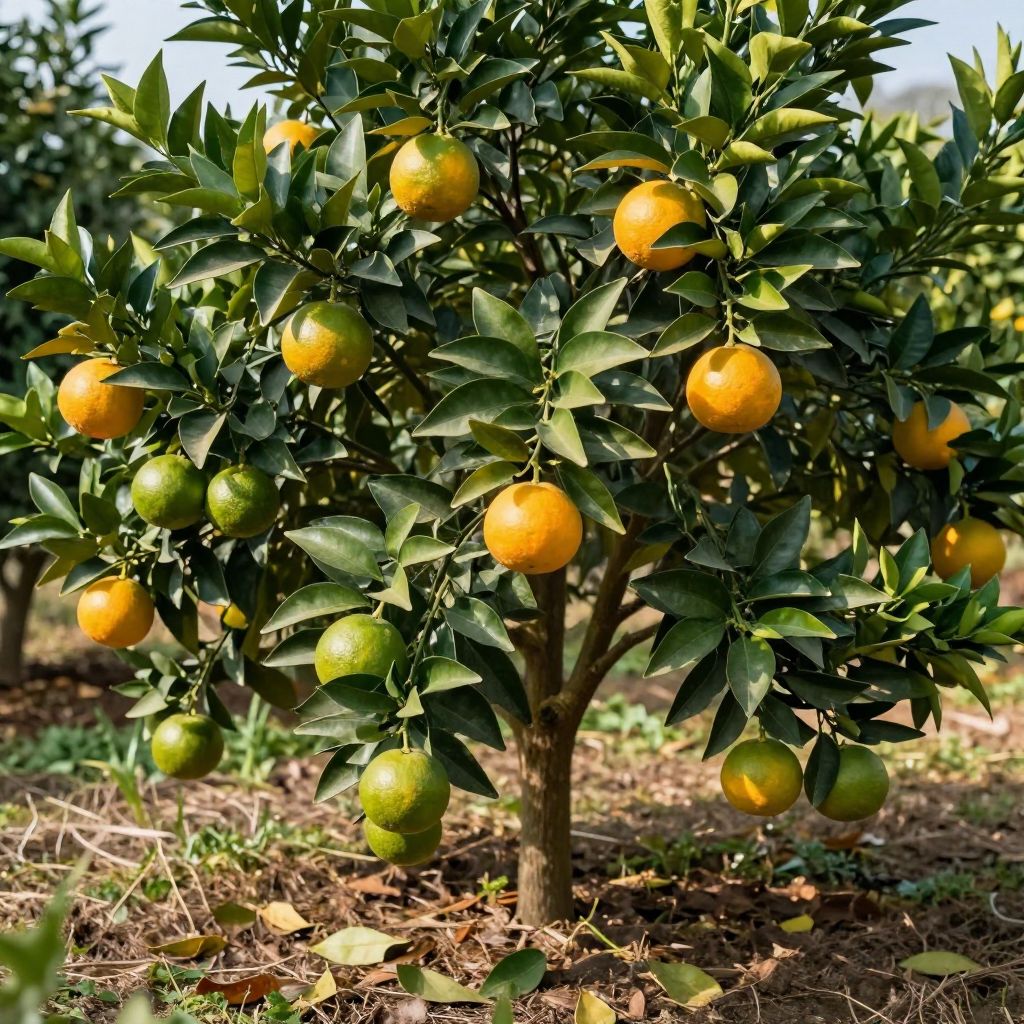
When is citrus season? The short answer is that it depends on the type of citrus and your climate, but most citrus ripens from late fall through winter into early spring. In warm regions, fruit can hang on the tree for weeks or even months, so the harvest window is often longer than with many other fruits.
If you grow citrus yourself, knowing the season helps you time watering, feeding, pruning, and harvest. It also helps you tell the difference between fruit that is ripe and fruit that is merely colored up.
When is citrus season?
Citrus season usually runs from late fall through spring, with the exact timing depending on the variety, local temperatures, and whether you are growing in the ground or in a container. Lemons, limes, oranges, mandarins, and grapefruits all ripen at different times, and many stay usable on the tree for an extended period.
What determines citrus season?
Citrus ripening is shaped more by climate and variety than by a single calendar date. Warm days, cool nights, tree age, and fruit load all affect when fruit develops color, sweetness, and juiciness.
Climate matters more than the month
In frost-free or mild-winter regions, citrus may ripen over a long stretch. In cooler areas, fruit may mature later, and potted trees moved indoors can ripen more slowly because light and temperature change.
Different citrus types ripen at different times
- Lemons often have a long harvest window and can be picked when fully yellow and slightly soft.
- Limes are usually harvested while still green, before they over-ripen and turn yellow.
- Sweet oranges commonly ripen in winter, though some varieties mature earlier or later.
- Mandarins and tangerines often ripen in fall through winter and are usually sweetest when fully colored.
- Grapefruit often ripen from late fall into spring, depending on the cultivar and region.
How to tell when citrus is ready to harvest
Color alone is not always a reliable sign. Some citrus turns orange or yellow before it is fully sweet, while other fruit can be ripe even if the skin still has some green on it.
Look for these ripeness signs
- The fruit feels heavy for its size.
- The skin has reached the typical color for that type, though some green may remain.
- The fruit gives slightly under gentle pressure, especially with lemons and mandarins.
- The flavor is balanced, not sharp or bitter, when you taste a sample.
- The fruit separates from the stem with a gentle twist or clip.
Do not rely on skin color alone. Citrus can look ripe before it tastes ripe, especially in cooler weather or on the shaded side of the tree.
Simple harvest test
- Pick one fruit from a sunny part of the tree.
- Cut it open and taste a segment.
- If the flavor is still too tart or bland, wait a bit longer and test again in a week or two.
Seasonal citrus care by time of year
Good citrus care changes with the season. The tree’s growth, flowering, and fruiting cycle all influence how you water, feed, and prune it.
Late winter to early spring
This is often a good time to prune lightly after harvest, especially to remove dead, crossing, or damaged branches. In many climates, citrus begins active growth as temperatures rise, so avoid heavy pruning that removes too much leaf area.
- Remove suckers from below the graft if present.
- Thin only crowded branches that block light and airflow.
- Check for scale, aphids, and sooty mold on new growth.
Spring and early summer
As trees bloom and set fruit, consistent moisture becomes important. Avoid letting the soil swing from very dry to very wet, because that can cause flower drop or young fruit drop.
- Water deeply when the top few inches of soil dry out.
- Keep mulch a few inches away from the trunk.
- Feed only if your soil is low in nutrients or the tree shows clear need, and follow local guidance for citrus in your area.
Late summer to fall
Fruit is sizing up during this period. Too much nitrogen late in the season can push soft leafy growth instead of fruit quality, so avoid overfeeding.
- Maintain even moisture to support fruit development.
- Watch for sunscald on exposed fruit and branches in hot, intense climates.
- Inspect for mites, leaf miner, and scale insects.
Winter
In mild climates, many citrus trees are still active, but growth slows. In colder regions, container-grown citrus may need protection indoors or in a greenhouse, where light and airflow are often the limiting factors.
- Water less often, but do not let the root ball dry out completely.
- Keep indoor trees near the brightest window you have.
- Watch for dry indoor air, which can encourage spider mites.
Growing citrus successfully in the garden
Whether you are growing in the ground or in a pot, citrus does best with full sun, well-drained soil, and protection from prolonged cold. The plant’s health directly affects when and how well it fruits.
Sunlight and placement
Citrus generally needs full sun for strong flowering and fruiting. In very hot climates, a bit of afternoon shade can reduce stress on young trees or container plants, but too much shade lowers fruit quality.
Soil and drainage
Well-drained soil is essential. Citrus roots dislike sitting in water, which can lead to root decline and yellowing leaves.
- Plant in loose, fertile soil that drains well.
- If your soil is heavy clay, consider raised beds or mounds.
- Use compost to improve structure, but do not bury the trunk flare.
Watering
Water deeply, then let the upper soil dry slightly before watering again. Young trees need more frequent attention than established trees, and container plants dry out faster than in-ground trees.
Overwatering is one of the most common citrus mistakes. Yellow leaves, weak growth, and poor fruiting can all follow if roots stay wet too long.
Mulching
A 2- to 4-inch layer of organic mulch helps conserve moisture and moderate soil temperature. Keep mulch several inches away from the trunk to reduce rot and pest problems.
Pruning and maintenance for better fruit timing
Pruning does not usually make citrus ripen earlier, but it can improve light penetration and airflow, which supports healthier fruit and easier harvests.
What to remove
- Dead, broken, or diseased wood
- Low branches that touch the ground
- Crossing branches that rub
- Suckers below the graft union
What to avoid
- Heavy pruning right before flowering
- Removing too much foliage at once
- Shearing citrus into a dense hedge shape unless that is your intended form
Use clean, sharp pruners for small branches and a pruning saw for larger limbs. Clean tools help reduce disease spread, especially if you are cutting out damaged wood.
Common citrus problems that affect harvest season
If citrus is slow to ripen or drops fruit early, the cause is often stress rather than the calendar. Identifying the problem early can save the crop next season.
Fruit drop
Some fruit drop is normal after bloom, but excessive drop may point to irregular watering, cold snaps, nutrient imbalance, or pest pressure.
Poor flavor or low juice
Fruit that looks ready but tastes flat may simply need more time on the tree. It can also happen when the tree is shaded, overwatered, or overloaded with too much fruit.
Yellow leaves
Yellowing can stem from poor drainage, nutrient deficiency, root stress, or cold damage. Check the soil first before adding fertilizer.
Pests and diseases
- Scale insects can weaken trees and leave sticky residue.
- Aphids often cluster on soft new growth.
- Spider mites are common in hot, dry, or indoor conditions.
- Root rot is often linked to chronically wet soil.
If you see sticky leaves, sooty mold, or distorted new growth, inspect the undersides of leaves and stems closely. Early control is much easier than trying to fix a heavy infestation later.
Growing citrus in containers
Container citrus can be a smart choice in colder climates because you can move the plant to shelter when temperatures drop. The tradeoff is that pots dry out faster and roots are more exposed to temperature swings.
Container basics
- Choose a pot with drainage holes.
- Use a free-draining potting mix made for containers.
- Repot gradually as roots fill the container, rather than jumping to an oversized pot.
- Move the plant to the brightest spot available indoors for winter.
Indoor winter care
Indoors, citrus often struggles with low light and dry air. Place it near a bright south- or west-facing window if possible, and rotate the pot occasionally so growth stays even.
Harvesting citrus without damaging the tree
Harvest with care so you do not tear the skin or break fruiting stems. Citrus does not always detach cleanly by hand, especially if the stem is thick.
- Test one or two fruits first for flavor.
- Use hand pruners or snips to cut the stem close to the fruit.
- Support the fruit as you cut to avoid pulling on the branch.
- Handle fruit gently to avoid bruising the peel.
If the fruit is hard to remove, it may not be fully ready. Leaving it on the tree a little longer is usually better than forcing it off.
Conclusion: plan your citrus season around your tree, not the calendar
When is citrus season? In most gardens, it begins in late fall and continues through winter and early spring, but the best harvest time depends on your variety and local weather. Watch for full flavor, steady fruit size, and the right color for the type you grow, then adjust care to match the season.
If you want to improve next year’s harvest, start by checking your tree’s drainage, sunlight, and watering habits now, then prune lightly after harvest and monitor for pests as new growth appears. For more practical fruit-growing guidance, you may also want to read about growing citrus trees in containers and how to prune citrus trees.
Leave a Reply