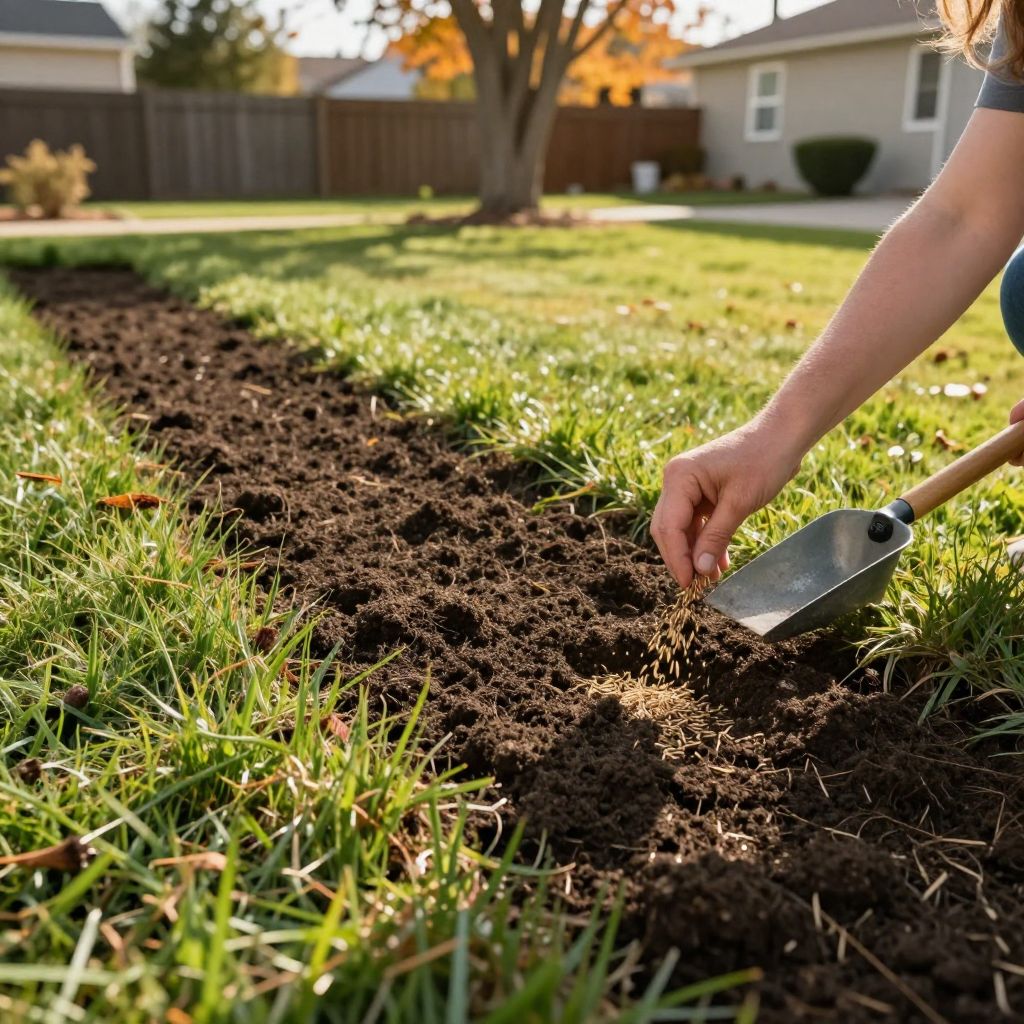
When should you plant grass seed? The best time is usually when temperatures are mild, soil is workable, and weeds are less aggressive. For most lawns, that means early fall is ideal, while spring can work if you stay ahead of heat, drought, and weed pressure.
The right timing depends on your grass type, local climate, and whether you are starting a new lawn or filling bare spots. If you match the seed to the season and prepare the soil well, you give grass the best chance to germinate evenly and establish strong roots.
When should you plant grass seed?
Plant grass seed when your chosen grass can germinate in steady moisture and moderate temperatures. In many regions, early fall is the best window because warm soil helps seed sprout while cooler air reduces stress. Spring is the next-best option, but seedlings may struggle if summer heat arrives too soon.
Why timing matters so much
Grass seed needs the right balance of warmth, moisture, and light to germinate. If you plant too early, cold soil can slow sprouting; too late, and heat or drought can dry out seedlings before roots develop.
Weed competition also matters. When you seed during the wrong season, crabgrass and other annual weeds may outgrow young grass and steal water, sunlight, and space.
Cool-season vs. warm-season grasses
The best planting time depends on the type of grass you are growing.
- Cool-season grasses such as Kentucky bluegrass, perennial ryegrass, tall fescue, and fine fescues are usually planted in late summer to early fall.
- Warm-season grasses such as bermudagrass, zoysiagrass, centipedegrass, and bahiagrass are usually planted in late spring to early summer, after the soil has warmed.
If you are unsure which grass you have, check your lawn’s existing texture, local extension guidance, or the seed label. Planting the wrong type at the wrong time often leads to thin, patchy results.
Best seasons for planting grass seed
Fall: the top choice for many lawns
For cool-season lawns, late summer through early fall is usually the sweet spot. Soil is still warm enough for quick germination, but cooler nights and fewer aggressive weeds help new grass settle in.
Fall seeding also gives seedlings time to build roots before winter. In many areas, this produces a thicker lawn the following spring than spring seeding does.
Spring: workable, but more demanding
Spring planting can succeed, especially if you need to repair winter damage or start a lawn from scratch. The challenge is that spring seedlings often face fast-rising temperatures, weed pressure, and inconsistent rainfall.
If you seed in spring, be prepared to water carefully and avoid heavy foot traffic until the lawn is established.
Summer: usually only for warm-season grasses
Summer is generally too stressful for cool-season grass seed, but it can be the correct time for warm-season grasses in hot climates. Warm soil speeds germination, and these grasses actively grow during heat.
Even then, avoid seeding during extreme drought or heat waves. Young grass can fail quickly if the surface dries out between waterings.
Winter: usually not the right time
Cold soil slows or stops germination for most grasses. In frozen or near-frozen ground, seed may sit idle, wash away, or rot before it sprouts.
There are exceptions in very mild climates or with dormant seeding, but that is a specialized approach and not the best choice for most home lawns.
How to tell if your lawn is ready for seed
Before planting, check the conditions in your yard rather than relying only on the calendar. The same month can be ideal in one region and poor in another.
- Soil temperature: Warm enough for germination for your grass type.
- Moisture: The top layer should be damp, not soggy.
- Sunlight: Match the seed to the amount of sun your lawn receives.
- Drainage: Water should soak in rather than pool on the surface.
- Weed pressure: Fewer weeds usually means better seedling survival.
If your soil stays wet for days after rain, fix drainage issues first. If the area is very shady, choose a shade-tolerant grass mix rather than forcing a sun-loving lawn into poor conditions.
How to prepare the soil before planting grass seed
Good seed-to-soil contact is one of the biggest factors in success. Grass seed will not establish well if it sits on top of debris, thick thatch, or compacted soil.
- Remove rocks, sticks, and dead plant material.
- Rake away loose thatch and open the surface slightly.
- Loosen compacted soil with a rake, garden fork, or core aerator if needed.
- Level low spots so water does not collect and drown seedlings.
- Add a thin layer of quality topsoil or compost if the soil is poor, but do not bury the seed deeply.
Compost can improve structure and moisture retention, especially in sandy or depleted soil. Use it sparingly and work it into the top layer so the seed still has contact with the soil beneath.
How much soil cover is enough?
Grass seed usually needs only a light covering. Many types germinate best when they are covered by about 1/8 to 1/4 inch of soil or fine compost, or simply pressed into the surface.
If seed is buried too deeply, it may not emerge. If it is left exposed, birds, wind, and drying can reduce germination.
Steps for planting grass seed successfully
Once the timing is right, use a careful seeding method so the lawn comes in evenly.
- Choose the right seed mix. Pick a grass suited to your climate, sun exposure, and lawn use.
- Measure the area. Knowing square footage helps you avoid underseeding or wasting seed.
- Spread seed evenly. Use a hand spreader or broadcast spreader for larger areas.
- Rake lightly. Work the seed into the top surface without burying it too deeply.
- Press the seed down. A lawn roller or even gentle foot traffic can improve contact on small areas.
- Water immediately. Moisten the top layer thoroughly but do not wash seed away.
For patch repair, scratch the soil, scatter seed, and cover lightly. For a full lawn renovation, work in sections so the seed does not dry out before you finish.
Watering after seeding
New grass seed needs consistent moisture to germinate. The surface should stay evenly damp, especially during the first couple of weeks, but never soaked.
A practical approach is to water lightly and often at first, then gradually water less frequently but more deeply as seedlings grow. The exact schedule depends on heat, wind, soil type, and rainfall.
Common watering mistakes
- Letting the surface dry out: This can stop germination or kill tiny sprouts.
- Overwatering: Saturated soil can cause rot, wash seed away, or encourage disease.
- Watering too hard: A strong spray can move seed into piles or bare patches.
If you see puddling, reduce watering time and break it into shorter sessions. If the soil crusts over, lightly rake the surface after it dries a bit to help new shoots emerge.
How long grass seed takes to germinate
Germination time varies by grass type, soil temperature, and moisture. Some grasses sprout in under a week, while others take several weeks.
- Perennial ryegrass often germinates quickly.
- Kentucky bluegrass is usually slower.
- Tall fescue is often moderate in speed.
- Warm-season grasses may need warmer soil to start well.
Do not assume seed has failed just because nothing appears immediately. Check the seed label for expected germination time and keep the surface moist during that window.
What to avoid after planting grass seed
Young grass is fragile. A few common mistakes can undo good timing and careful preparation.
- Walking on the area too much: Foot traffic can crush seedlings and compact soil.
- Applying herbicides too early: Many weed killers can damage new grass.
- Mowing too soon: Wait until the grass is tall enough and rooted well enough to handle a cut.
- Using too much fertilizer: Excess nitrogen can burn seedlings or push weak, fast growth.
- Ignoring shade or drainage problems: Seed will not thrive if the site is unsuitable.
If weeds appear, identify them before treating the lawn. Some products safe for established turf can injure young seedlings, so timing matters here too.
When to mow new grass
Wait to mow until the new grass is tall enough to cut without stress. A good rule is to mow when the lawn is about one-third taller than your target mowing height and the soil is firm enough that the mower will not sink.
Use a sharp mower blade and remove only the top portion of the grass. Cutting too much at once can slow establishment and create thin spots.
Troubleshooting patchy or failed germination
If your lawn comes in unevenly, the cause is often one of a few predictable problems.
- Seed washed away: Re-seed and use gentler watering.
- Soil too dry: Increase moisture consistency during germination.
- Seed planted too deep: Rake lightly and reseed shallowly.
- Poor soil contact: Press seed into the surface more firmly next time.
- Wrong season: Replant during the proper window for your grass type.
- Birds or pests: Lightly cover seed and monitor for disturbance.
If a section repeatedly fails, test the soil, check drainage, and observe how much sun it receives. Sometimes the issue is not the seed but the site itself.
Simple seasonal guide for home gardeners
Use this as a general planning tool, then adjust for your local weather and grass type.
- Cool-season lawns: Seed in late summer to early fall when temperatures begin to ease.
- Warm-season lawns: Seed in late spring or early summer after the soil warms.
- Shady or dry sites: Choose seed mixes designed for those conditions and avoid seeding during stress periods.
- New lawns: Time the project so seedlings have several weeks of favorable weather after germination.
Final takeaway
If you are asking when should you plant grass seed, the safest answer is: seed when your grass type can germinate in warm soil and grow through a stretch of mild weather. For many lawns, that means early fall; for warm-season lawns, late spring to early summer may be better.
Before you start, check your grass type, prepare the soil, and plan for steady moisture. If you want more help with lawn care, look for related guidance on soil preparation, mowing new grass, and choosing the right grass seed for your climate.