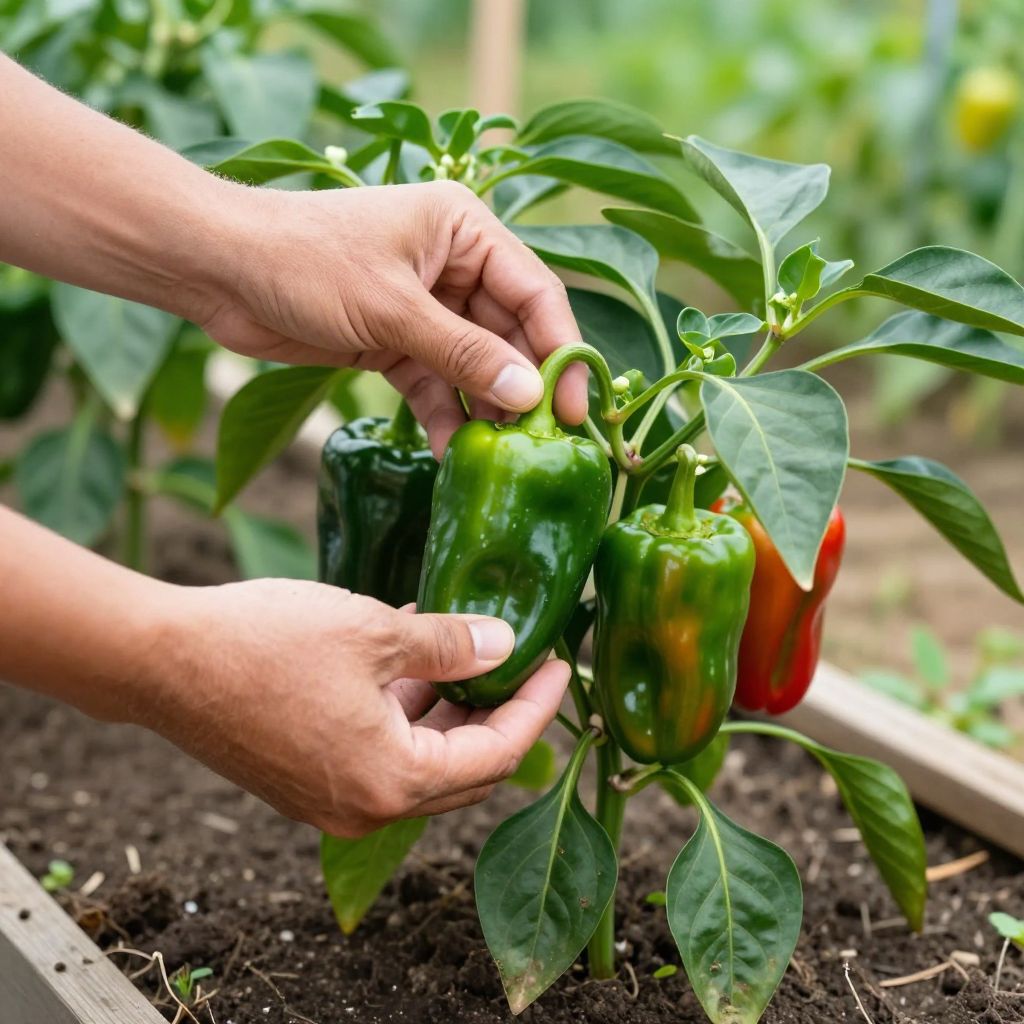
Wondering when to pick jalapenos so they’re crisp, flavorful, and at the right heat level? The best time depends on the look of the pepper, its size, and how you plan to use it. Jalapeños can be harvested green or left to ripen red, and the plant will usually keep producing if you pick them at the right stage.
If you harvest too early, the peppers may be underdeveloped; too late, and they can soften or split. With a little observation, you can time your harvest for the flavor and texture you want while encouraging the plant to keep setting more fruit.
When to pick jalapenos?
Pick jalapeños when they are firm, glossy, and full-sized—usually 2 to 4 inches long, depending on the variety—and easily detach from the plant with a gentle twist or snip. For a milder, classic flavor, harvest them green; for sweeter, hotter peppers, leave them until they turn red.
How to tell jalapeños are ready
Size alone is not the only clue. A ripe jalapeño for green harvest should feel solid, have smooth skin, and show a deep green color with a noticeable shine.
Signs a pepper is ready
- Firm texture: The pepper should feel thick and crisp, not soft or wrinkled.
- Good color: Most green jalapeños are a rich, even green rather than pale.
- Full shape: The fruit should look plump and well-filled.
- Easy release: It should come off with a light twist or a clean cut.
Signs to wait a little longer
- The pepper is still small and thin.
- The skin looks dull or matte and the fruit feels lightweight.
- The plant is still flowering heavily and fruit is clearly still sizing up.
Green vs. red jalapeños: what changes?
Green jalapeños are the most common harvest stage and are usually the best choice if you want a fresh, bright pepper with moderate heat. If you leave them on the plant longer, they turn red, become sweeter, and often develop a more pronounced heat.
Harvesting green jalapeños
This is the stage most gardeners aim for. Green peppers are typically firmer and hold their shape well after picking.
Harvesting red jalapeños
Red jalapeños are fully mature. They can be excellent if you want deeper color and a richer flavor, but they may be more attractive to birds, more likely to soften, and sometimes more likely to split if weather is wet.
Seasonal timing: when to expect harvest
Jalapeños are warm-season peppers, so harvest timing depends on when you planted them and how warm your climate is. In many gardens, fruit begins to size up in mid to late summer, then continues into fall as long as nights stay warm enough.
What affects harvest timing
- Temperature: Warm days and nights speed growth; cool weather slows it down.
- Sunlight: Full sun helps plants flower and set fruit more reliably.
- Plant age: Young transplants need time to establish before fruiting heavily.
- Soil fertility: Balanced soil supports steady growth without excessive leafy growth.
- Water consistency: Irregular watering can slow fruit development and cause problems like blossom-end rot.
If you grow jalapeños in containers or in a short-season climate, fruit may mature more slowly. In warmer regions or protected spots, plants may keep producing well into fall.
How to harvest jalapeños without damaging the plant
Use clean scissors, pruners, or a knife to cut the pepper from the stem, leaving a short stub attached. You can also gently twist ripe fruit off, but cutting is usually safer and reduces the chance of tearing branches.
- Check the pepper for size, firmness, and color.
- Hold the fruit with one hand and support the stem with the other.
- Snip the stem just above the pepper.
- Place harvested peppers in a shallow basket or bowl to avoid bruising.
Do not pull hard on the fruit. Jalapeño stems can snap, especially when the plant is loaded with peppers.
How often should you pick jalapeños?
Harvest every few days once the plant starts producing well. Frequent picking encourages the plant to keep flowering and setting more fruit, which can extend your harvest over a longer season.
If peppers are left on the plant too long, production may slow because the plant puts energy into ripening existing fruit instead of making new ones.
What if jalapeños are small, slow, or not ripening?
Slow ripening is common, especially during cool weather or when plants are stressed. Before assuming something is wrong, check the plant’s growing conditions and recent weather.
Common causes of slow fruit development
- Cool temperatures: Pepper growth often slows when nights are cool.
- Not enough sun: Plants in partial shade may flower but produce slowly.
- Overfertilizing with nitrogen: Too much leafy growth can reduce fruiting.
- Inconsistent watering: Dry spells followed by heavy watering can stress the plant.
- Crowding: Poor airflow and competition can reduce vigor.
Practical fixes
- Give plants at least 6 to 8 hours of direct sun where possible.
- Water deeply when the top inch or two of soil dries out, rather than lightly every day.
- Add compost to improve soil structure and moisture retention.
- Keep mulch around the base to moderate soil moisture and temperature.
- Remove damaged or crowded branches if the plant is overly dense.
Can you pick jalapeños before they turn red?
Yes. In fact, most gardeners do. Green jalapeños are perfectly usable and often preferred because they are firm and flavorful. You do not need to wait for red color unless you specifically want fully mature peppers.
If your goal is a longer harvest, pick some peppers green and leave a few on the plant to ripen. That way you can compare flavor and keep the plant producing.
Common mistakes to avoid
Harvesting jalapeños is simple, but a few avoidable mistakes can reduce quality or plant productivity.
- Picking too early: Small, pale fruit may not have developed full flavor.
- Waiting too long: Overripe peppers can soften, split, or attract pests.
- Pulling instead of cutting: This can damage stems and reduce future harvests.
- Ignoring weather: Heavy rain or a sudden cold snap can affect ripening and fruit quality.
- Letting fruit stay on the plant forever: Mature peppers left too long may slow new production.
How growing conditions affect harvest quality
Healthy plants produce better peppers, so good care during the season matters just as much as harvest timing. Jalapeños do best in warm, sunny conditions with well-drained soil and steady moisture.
Soil and drainage
Use loose, fertile soil that drains well. Heavy, soggy soil can stress roots and slow growth, while very poor soil may produce weak plants and small fruit.
Mixing in compost before planting can improve soil structure and help hold moisture without waterlogging the roots.
Watering
Keep the soil evenly moist, especially while plants are flowering and setting fruit. Letting the soil dry out too much can cause stress, but constantly wet soil can lead to root problems.
Pruning and support
Light pruning is optional, but removing damaged stems or overly crowded growth can improve airflow. If plants are heavy with fruit, a small stake or cage can help prevent branches from bending or breaking.
Pests and diseases that can affect harvest timing
Insect damage or disease can delay ripening and reduce the quality of your harvest. Check plants regularly so you can catch problems early.
Watch for these issues
- Aphids or whiteflies: These can weaken plants and distort new growth.
- Spider mites: Often appear in hot, dry conditions and may cause stippled leaves.
- Blossom-end rot: A dark, leathery spot on the bottom of fruit, often linked to uneven moisture.
- Fungal problems: Poor airflow and wet foliage can contribute to leaf disease.
Removing affected fruit, improving airflow, and keeping water off the leaves when possible can help reduce problems. Healthy, unstressed plants are more likely to ripen fruit on time.
Storing jalapeños after harvest
After picking, handle peppers gently. Store them unwashed in the refrigerator for short-term use, ideally in a breathable bag or container lined with a paper towel to reduce excess moisture.
For the best texture, use them soon after harvest. Soft spots, shriveling, or wrinkling are signs they are aging.
Quick harvest checklist
- Fruit is 2 to 4 inches long, or the size typical for your variety.
- Skin is glossy and firm.
- Color is green for standard harvest or red for fully mature fruit.
- Fruit comes off easily with a snip or gentle twist.
- The plant still looks healthy and productive after picking.
Conclusion
The best time to pick jalapeños is when the peppers are full-sized, firm, and glossy, usually while still green if you want the classic flavor and texture. Harvest regularly with clean snips, and your plant will often keep producing more peppers through the season. If you want to learn more about keeping pepper plants productive, consider reading about how to grow peppers in containers and common pepper plant problems.