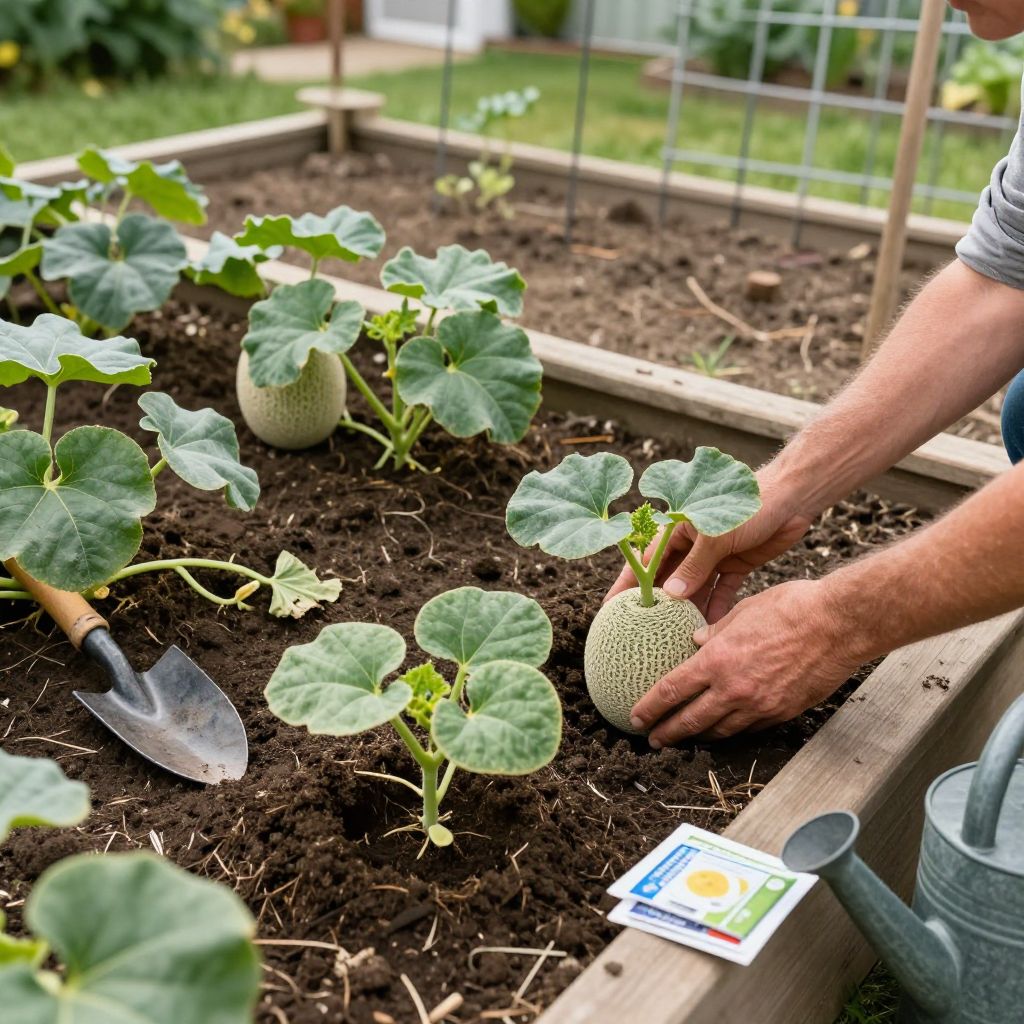
Wondering when to plant cantaloupe so the vines have time to ripen sweet, fragrant melons before the season ends? Timing matters more than almost anything else with this crop. Plant too early in cold soil and the seeds rot or stall; plant too late and the fruit may not finish before cool weather returns.
The good news is that cantaloupe is straightforward once you match planting time to your local climate, soil temperature, and last frost date. With warm soil, full sun, and steady moisture, you can give the plants the long, hot growing season they need to produce well.
When to plant cantaloupe?
Plant cantaloupe after all danger of frost has passed and soil temperatures are consistently warm, ideally at least 65°F, with 70°F to 90°F being even better for fast germination and growth. In cool climates, start seeds indoors 2 to 4 weeks before your last frost date, then transplant carefully once nights are warm.
Best planting time by climate and method
Cantaloupe is a warm-season crop, so the right planting window depends on both your weather and whether you sow directly or transplant seedlings. The goal is to avoid cold soil and cold nights, which slow growth and increase rot problems.
Direct sowing outdoors
Direct sow seeds outdoors when the soil has warmed and the danger of frost is gone. If you plant in soil that still feels chilly, germination is often slow and uneven.
- Wait until soil is at least 65°F at planting depth.
- Choose a stretch of warm weather, not just one sunny day.
- In many regions, this is 1 to 2 weeks after the last frost date or later.
Starting seeds indoors
If your growing season is short, start seeds indoors in biodegradable pots or other transplant-friendly containers. Cantaloupe seedlings dislike root disturbance, so gentle handling matters.
- Start seeds 2 to 4 weeks before your average last frost date.
- Keep seedlings in a bright, warm spot.
- Transplant only when the soil is warm and nights are reliably mild.
Warm-climate planting
In long, hot seasons, you can often sow cantaloupe in spring after the soil warms, and in some areas you may be able to make a second planting for a late-summer or early-fall harvest. The key is to count backward from your expected first frost and make sure the fruit has enough time to mature.
How to know your soil is ready
Cantaloupe seeds and transplants perform best in warm, loose, well-drained soil. If you are unsure whether it is time, use both the calendar and the conditions in your garden.
- Soil temperature: Aim for 65°F or higher.
- Night temperatures: Consistently above 50°F is safer for young plants.
- Soil texture: It should crumble easily, not stay cold and soggy.
- Moisture: Damp is fine; waterlogged soil is not.
If you do not have a soil thermometer, watch for reliable warmth in the air and soil, not just a brief warm spell. Cantaloupe grows best when spring has truly settled in.
Choosing the right site
Good site selection can make a bigger difference than fertilizer. Cantaloupe needs full sun and room to spread, whether you let the vines run on the ground or train them on a support.
- Sunlight: At least 6 to 8 hours of direct sun daily.
- Drainage: Raised beds or mounded rows help in heavy soil.
- Airflow: Good spacing reduces mildew and other disease pressure.
- Space: Give vines room to sprawl, or plan trellising early.
A warm, sheltered spot is especially helpful in cooler climates. Dark mulch or black landscape fabric can also help warm the soil earlier in the season.
Preparing the soil before planting
Cantaloupe grows best in fertile, loose soil that drains well. Heavy clay or compacted ground can slow roots and increase disease problems, especially if the weather turns wet.
Soil improvement basics
Work in compost before planting to improve structure and moisture retention. Compost helps sandy soil hold water and helps clay soil drain and breathe better.
- Mix in a few inches of finished compost into the top layer of soil.
- Avoid fresh manure right before planting, which can be too strong and may encourage excess leafy growth.
- If drainage is poor, plant on raised mounds or in raised beds.
Try not to overdo nitrogen-rich amendments. Too much nitrogen can produce lush vines and fewer quality fruits.
How to plant cantaloupe seeds or transplants
Whether you sow directly or transplant seedlings, handle the plants gently and keep them warm. Cantaloupe roots prefer not to be disturbed, so careful planting helps them establish quickly.
Direct sowing steps
- Prepare the bed in full sun with loose, warm soil.
- Sow seeds about 1 inch deep.
- Plant several seeds per hill or spot, then thin to the strongest seedlings.
- Space planting areas far enough apart to allow vine growth.
- Water gently to settle the soil without washing seeds away.
Transplanting steps
- Harden off seedlings for about a week by gradually exposing them to outdoor conditions.
- Plant after frost risk has passed and nights are warm.
- Set seedlings at the same depth they were growing in their containers.
- Water thoroughly after transplanting.
- Protect young plants from cool nights with row cover if needed, but remove it when flowers open so pollinators can reach them.
If you use biodegradable pots, make sure the pot rim does not stick above the soil line, where it can dry out and slow root growth.
Watering and feeding after planting
Young cantaloupe plants need consistent moisture to establish, but they do not like soggy soil. Deep, even watering is better than frequent shallow sprinkling.
- Water at the base of the plant to keep leaves dry.
- Keep the soil evenly moist while seedlings establish.
- Reduce splashing on foliage to help limit disease.
- Once fruits begin sizing up, steady moisture becomes especially important.
As the plants mature, avoid sudden swings from very dry to very wet soil. Uneven watering can contribute to poor fruit development and cracking in some conditions.
Mulch for moisture control
Once the soil is warm, a layer of straw, shredded leaves, or another light mulch can help conserve moisture and suppress weeds. Keep mulch a little away from the crown of the plant so it does not trap excess moisture right at the base.
Common mistakes to avoid
Most cantaloupe problems start with timing or temperature. Avoiding a few common errors can save you a lot of disappointment later in the season.
- Planting too early: Cold soil slows germination and can rot seeds.
- Transplanting too young or too late: Overgrown seedlings often struggle after moving.
- Overcrowding: Poor spacing reduces airflow and increases disease.
- Too much nitrogen: This encourages vines more than fruit.
- Ignoring frost dates: Even a light frost can kill young cantaloupe plants.
If your season is short, choose the earliest safe planting time after frost and consider starting seeds indoors. If your season is long, you still want warm soil rather than rushing plants into cold spring conditions.
Pollination, fruit set, and pruning basics
Cantaloupe produces separate male and female flowers, and pollination is needed for fruit to form. If bees are scarce, fruit set may be poor even when the plants look healthy.
Helping with pollination
Encourage pollinators by avoiding broad-spectrum insecticides and planting nearby flowers that bloom during the melon season. If fruit set is weak, you can hand-pollinate early in the morning by transferring pollen from male flowers to female flowers with a small brush.
Pruning and vine management
Pruning is not always necessary, but it can help keep vines manageable in small gardens. If you do prune, keep it light and only remove damaged or clearly unproductive growth.
- Train vines carefully if growing vertically on a sturdy trellis.
- Support developing fruit with slings if needed.
- Keep fruit off wet soil to reduce rot.
Pests and diseases to watch for
Warm weather brings cantaloupe growth, but it can also bring pests and fungal diseases. Early attention makes problems easier to manage.
- Aphids: Check tender new growth and the undersides of leaves.
- Cucumber beetles: These can damage leaves and spread disease.
- Powdery mildew: White, dusty patches on leaves often appear later in the season.
- Downy mildew and other leaf diseases: More likely in humid, crowded plantings.
To reduce disease pressure, water at soil level, space plants well, rotate crops if possible, and remove badly infected leaves when appropriate. Healthy airflow and dry foliage are two of the best defenses you can give your plants.
When to harvest cantaloupe
Harvest timing is just as important as planting time. Cantaloupe picked too early may be bland, while overripe fruit can soften too much or separate from the vine.
Look for signs of ripeness such as a strong aroma, a slight change in skin color, and the fruit beginning to slip from the vine with gentle pressure. Harvesting cues can vary by variety, so check the seed packet or plant tag if available.
Pick melons carefully with a clean cut rather than yanking them free. Handle them gently to avoid bruising.
Quick planting checklist
- Wait until frost is gone and soil is warm.
- Choose a full-sun site with excellent drainage.
- Improve soil with compost before planting.
- Sow seeds or transplant only when conditions are consistently warm.
- Water evenly, mulch after the soil warms, and watch for pests and disease.
If you want to grow cantaloupe successfully, start by matching planting time to your local spring weather rather than the calendar alone. Check your last frost date, test the soil warmth, and plant only when the garden is truly ready. For more warm-season crop planning, you may also find related guidance on growing melons in the home garden and starting seeds indoors for transplant success.