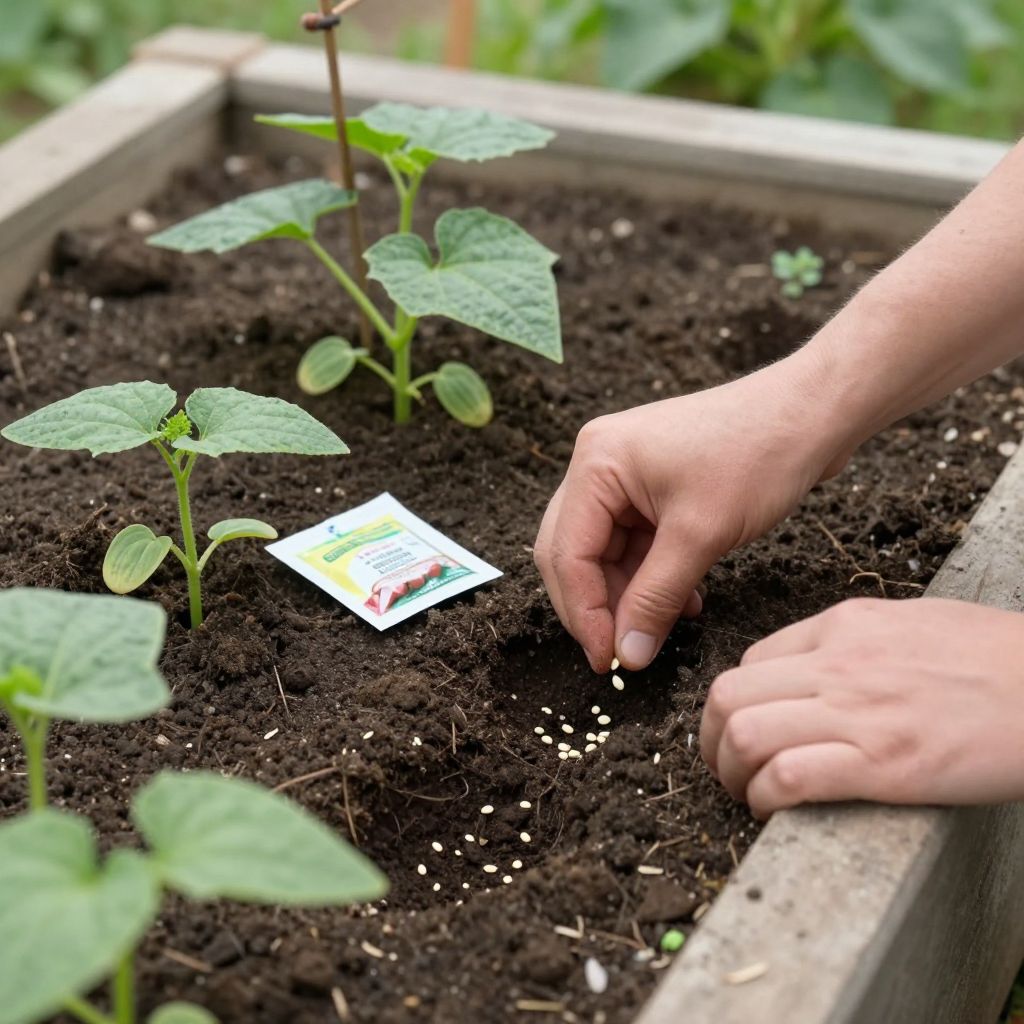
Wondering when to plant cucumber seeds so they sprout well and produce a steady harvest? Timing matters more than many gardeners realize, because cucumbers need warm soil, steady moisture, and enough time to mature before cold weather returns.
The best planting time depends on your local climate, but cucumbers are generally sown after the last frost, once soil is warm enough for quick germination. You can also start seeds indoors a few weeks earlier and transplant carefully, or sow directly outdoors in warm regions for the simplest results.
When to plant cucumber seeds?
Plant cucumber seeds outdoors after all danger of frost has passed and soil temperatures are consistently at least 65°F, with 70°F to 95°F being ideal for fast germination. In cooler climates, start seeds indoors 2 to 4 weeks before your last frost date, then transplant gently once nights stay warm.
How to time cucumber planting for your climate
Cucumbers are warm-season vegetables, so the right planting window is tied to soil warmth more than the calendar. If you plant too early, seeds may rot in cold, damp soil or seedlings may stall in chilly weather.
Use frost dates as a starting point
Check your local last spring frost date and count backward or forward from there. Cucumbers should not go into cold ground, and young plants are easily damaged by frost or prolonged cool nights.
- Cool climates: Start indoors in spring, then transplant after the weather settles.
- Temperate climates: Direct sow after the last frost when the soil has warmed.
- Warm climates: You may be able to sow earlier in spring and again for a late-summer crop if your season is long enough.
Watch the soil, not just the date
Soil temperature is one of the best guides for cucumber seeds. If you have a soil thermometer, use it in the morning for several days in a row. Warm soil speeds germination, while cold soil often leads to poor emergence and weak seedlings.
Should you direct sow or start cucumber seeds indoors?
Both methods work, but the best choice depends on your growing season. Direct sowing is easiest in warm climates, while indoor starting helps gardeners with short summers get a head start.
Direct sowing outdoors
Direct sow cucumber seeds when the soil is warm and the danger of frost has passed. This is often the simplest and least stressful method because cucumbers dislike root disturbance.
- Prepare a loose, well-drained bed in full sun.
- Plant seeds about 1 inch deep.
- Sow 2 to 3 seeds per planting spot.
- Thin to the strongest seedling after germination.
Starting seeds indoors
If you need an earlier harvest, start seeds in biodegradable pots or other containers that minimize root disturbance. Cucumbers transplant best when young, so avoid letting them become rootbound.
- Start seeds 2 to 4 weeks before transplanting.
- Use a warm, bright location or grow lights.
- Keep seedlings evenly moist, not soggy.
- Harden off plants gradually before moving them outside.
Important: Cucumbers grow fast. If you start them too early indoors, they can become leggy, cramped, and stressed before transplant time.
How to plant cucumber seeds for strong germination
Good seed placement gives cucumber plants a better start. These seeds germinate quickly in warm conditions, but they still need the right depth, moisture, and spacing.
Seed depth and spacing
Plant seeds about 1 inch deep in loose soil. If you sow in hills or small mounds, space the seeds so plants will not compete too heavily once they begin to vine.
- Depth: About 1 inch
- Spacing: Follow the packet, but allow room for vines to spread or climb
- Thinning: Keep the healthiest seedling in each spot
Soil conditions cucumbers prefer
Cucumbers do best in fertile, well-drained soil enriched with compost. The soil should hold moisture without staying waterlogged, because soggy conditions can slow growth and encourage disease.
- Work in compost before planting.
- Avoid heavy, compacted soil if possible.
- Choose a site with good drainage.
- Keep the planting area free of large clods and debris.
Sunlight, water, and temperature needs
Once planted, cucumber seeds and seedlings need steady warmth, full sun, and consistent moisture. These conditions help the plants grow quickly and reduce stress during the early stages.
Sunlight
Give cucumbers full sun, meaning at least 6 to 8 hours of direct light each day. Less light can lead to slower growth, fewer flowers, and a smaller harvest.
Watering
Keep the soil evenly moist from planting through harvest. Irregular watering can cause poor germination, bitter fruit, or misshapen cucumbers.
- Water deeply at the base of the plant.
- Try not to wet the leaves unnecessarily.
- Mulch after the soil warms to help retain moisture.
Temperature
Cucumbers grow best in warm weather and are sensitive to cold. If nights are still chilly, use row covers or wait a little longer before planting outdoors.
Common mistakes when planting cucumber seeds
Many cucumber problems start at planting time. Avoiding a few common errors can make a big difference in germination and early growth.
- Planting too early: Cold soil can delay sprouting or cause seeds to rot.
- Overwatering: Saturated soil can suffocate seeds and roots.
- Starting too far ahead indoors: Overgrown seedlings transplant poorly.
- Ignoring spacing: Crowded plants compete for light, water, and airflow.
- Using poor drainage: Cucumbers dislike wet feet and compacted soil.
How to care for cucumber seedlings after they emerge
Once seedlings appear, the goal is steady growth without stress. Young cucumber plants are tender, so consistent care in the first few weeks sets the stage for flowering and fruiting later on.
Thin seedlings carefully
If you planted more than one seed per spot, thin to the strongest seedling once the plants have a couple of true leaves. Snip extras at soil level instead of pulling them, which can disturb the roots of the keeper plant.
Protect young plants from cold snaps
If a late cold spell is forecast, cover outdoor seedlings with row cover, cloches, or another temporary barrier. Remove covers once temperatures warm so the plants still get enough light and airflow.
Support climbing varieties
If you are growing vining cucumbers, consider a trellis early. Supporting the vines improves air circulation, saves space, and can make harvesting easier later.
When to expect harvest after planting
Harvest timing depends on variety, weather, and growing conditions, but cucumbers usually mature fairly quickly once they start growing well. Warm temperatures and regular watering can speed development, while cool weather can slow it down.
Pick cucumbers when they are firm, evenly colored, and the size recommended for the variety. Harvesting regularly encourages the plant to keep producing, so check vines often once fruit begins to form.
Troubleshooting poor germination or weak seedlings
If your cucumber seeds do not sprout well, the problem is often easy to trace. Start with temperature, moisture, and seed quality before assuming the seeds are bad.
- No germination: Soil may be too cold, too wet, or too dry.
- Slow sprouting: Cool nights or old seed can delay emergence.
- Seedlings collapse: Excess moisture and poor airflow can contribute to damping off.
- Pale, stretched plants: They may need more light.
If you suspect damping off or another seedling disease, improve airflow, avoid overwatering, and start fresh in a cleaner medium if needed. Healthy seedlings need warmth, light, and damp—not soggy—soil.
Simple planting checklist
Before you sow cucumber seeds, run through this quick checklist to improve your odds of success.
- Wait until frost danger has passed.
- Make sure soil is warm enough for germination.
- Choose a sunny site with good drainage.
- Work in compost or other organic matter.
- Plant seeds about 1 inch deep.
- Keep soil evenly moist.
- Thin seedlings and protect them from cold.
If you want more help planning your vegetable garden, look for related guides on seed starting, soil preparation, and trellising cucumbers so you can match your planting time to your local growing season.