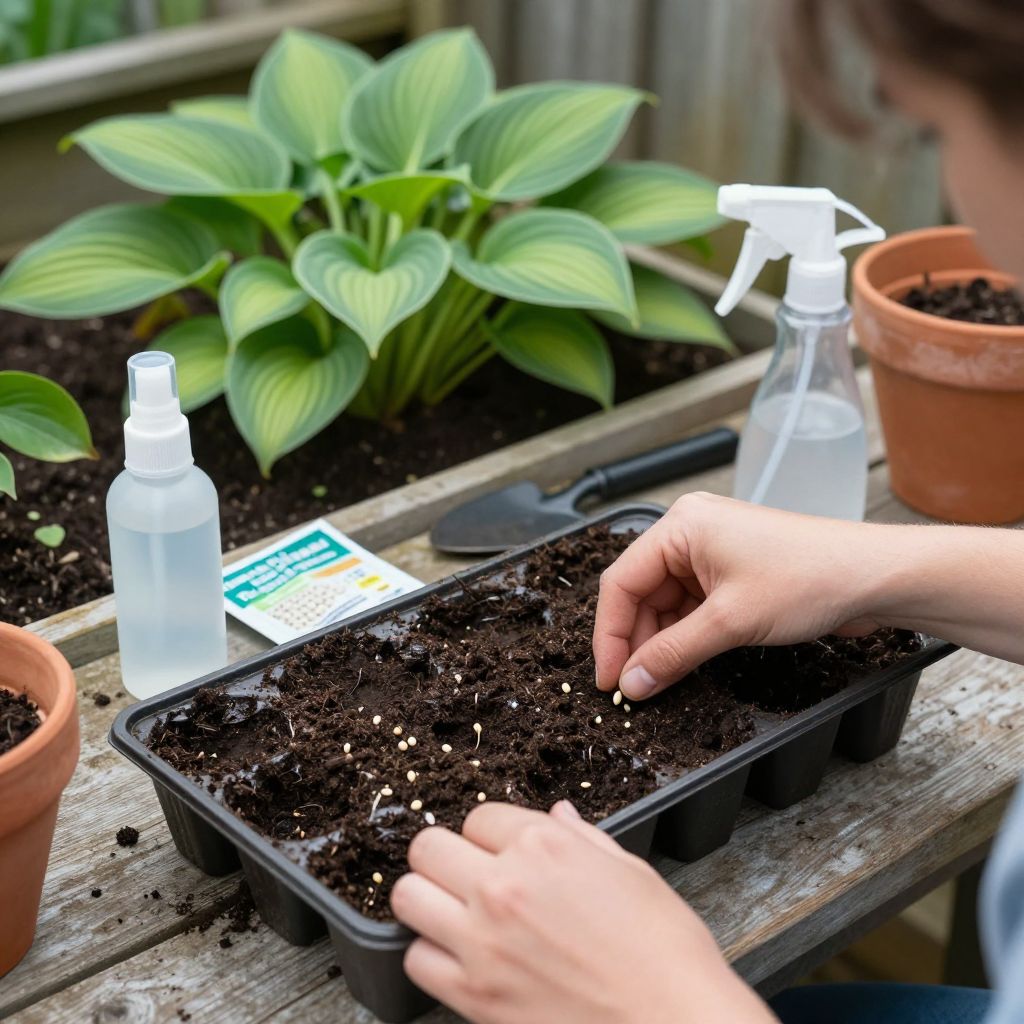
When should you plant hosta seeds if you want healthy seedlings and strong plants later on? The short answer is that hosta seeds are usually started indoors or in a protected cold frame after they have been collected and cleaned, then given a period of cold stratification before germination. Timing matters because hosta seeds often need cool, moist conditions to wake up properly.
If you sow too early without enough light or warmth, seedlings can stretch and weaken. If you sow too late, you may miss the natural cold period that helps break dormancy. The best timing depends on your climate, but with a little planning you can give hosta seeds the conditions they need to sprout well.
When to plant hosta seeds?
Plant hosta seeds in late winter or early spring if you are starting them indoors, or sow them outdoors in fall if you can provide natural cold stratification over winter. The key is not the calendar alone, but giving the seeds a cool, moist period followed by steady warmth and bright, indirect light.
Understanding hosta seed timing
Hostas (Hosta spp.) are perennial shade plants, and their seeds do not always germinate quickly. Fresh seed is usually best, and many gardeners find that seed collected in late summer or fall benefits from a cold period before sowing.
Best times to sow hosta seeds
- Fall sowing outdoors: Good if you want winter to provide natural cold stratification.
- Late winter to early spring indoors: Best if you want more control over moisture, temperature, and light.
- After cold stratification in the refrigerator: A reliable option when outdoor winter conditions are inconsistent.
In mild climates, outdoor fall sowing may work well. In areas with warm winters, indoor stratification is often more dependable because the seeds may not get enough chilling outdoors.
Why cold stratification matters
Many hosta seeds germinate better after several weeks of cool, moist conditions. This mimics winter and helps break dormancy. Without that step, germination may be slow, uneven, or very low.
Not every seed lot behaves exactly the same, so be patient. Some hosta seeds sprout in a few weeks after stratification, while others take longer.
How to prepare hosta seeds for planting
Before sowing, use fresh, clean seed whenever possible. If you saved seed from your own plants, let the seed pods dry, then remove the black seeds from the papery husks and discard damaged or moldy ones.
- Place seeds in a slightly damp paper towel, peat-based mix, or vermiculite.
- Seal them in a labeled bag or container.
- Keep them refrigerated, not frozen, for several weeks if your seed needs stratification.
- Check occasionally to make sure the medium stays barely moist, not wet.
Avoid soggy conditions. Too much moisture can cause mold, rot, or poor germination.
How to sow hosta seeds indoors
Indoor sowing gives you more control and is often the easiest method for beginners. Use a sterile seed-starting mix that drains well and holds light moisture.
Step-by-step indoor sowing
- Fill small pots, trays, or cell packs with moist seed-starting mix.
- Place seeds on the surface and cover lightly with about 1/8 inch of mix, or just enough to keep them in place.
- Label the container with the date and variety if known.
- Keep the mix evenly moist and place the container in bright, indirect light.
- Maintain moderate room temperatures after stratification, avoiding hot windowsills or cold drafts.
Hosta seedlings need light as soon as they emerge. A sunny window may work if it is bright enough, but grow lights usually produce sturdier seedlings with less stretching.
What soil works best?
Use a light, airy seed-starting mix rather than heavy garden soil. Good drainage is important because hosta seeds and seedlings can rot in compacted, waterlogged media.
- Choose a sterile seed-starting mix or fine potting mix.
- Add a small amount of perlite if the mix seems dense.
- Keep the pH and fertility moderate rather than overly rich.
How to sow hosta seeds outdoors
Outdoor sowing works well in regions with a dependable winter chill. Plant seeds in a prepared seed bed or in pots sunk into the ground so they stay moist but protected.
Outdoor sowing tips
- Sow after seed ripens in late summer or fall.
- Choose a site with partial to full shade and well-drained soil.
- Lightly cover seeds with fine soil or compost.
- Mulch lightly to help keep moisture steady and reduce disturbance.
If rodents, birds, or heavy rain are a problem, use mesh or a protective cover. Outdoor sowing is simple, but it works best when the site stays evenly moist without becoming muddy.
Growing conditions for hosta seedlings
Young hostas are more delicate than mature plants. Give them filtered light, steady moisture, and protection from heat and drying winds.
Light
Seedlings do best in bright shade or filtered light. Too much direct sun can scorch tender leaves, while too little light can make them weak and floppy.
Water
Keep the soil evenly moist, not saturated. Water when the surface begins to dry slightly, and let excess water drain away freely.
Temperature
After germination, moderate temperatures are usually best. Very warm conditions can stress seedlings and increase damping-off disease.
Common mistakes when planting hosta seeds
Hosta seed sowing is straightforward, but a few common mistakes can slow or stop germination.
- Skipping cold stratification when the seed lot needs it.
- Planting too deeply, which can prevent tiny seedlings from emerging.
- Using heavy garden soil instead of a fine seed-starting mix.
- Overwatering, which encourages rot and fungal problems.
- Expecting fast results; hosta seed can be slow and uneven.
If seeds do not sprout right away, do not assume they are dead. Check moisture, temperature, and whether the seed received the chilling period it needed.
Transplanting young hostas
Once seedlings have several true leaves and are large enough to handle, transplant them carefully into individual pots or a nursery bed. Handle them by the leaves or root ball, not the fragile stem.
Harden them off gradually before moving them outdoors permanently. That means exposing them to outdoor conditions a little more each day for about a week or two, depending on weather.
Where to plant them in the garden
Choose a site with shade or morning sun and afternoon shade, depending on your climate. Hostas prefer fertile, moisture-retentive soil that drains well.
- Amend poor soil with compost.
- Avoid low spots that stay waterlogged.
- Leave room for mature spread, since hostas can expand over time.
Can you grow hostas from seed and keep the same plant?
Hostas grown from seed may not look exactly like the parent plant, especially if the parent was a named cultivar. Seed-grown hostas are useful if you enjoy variation, breeding, or growing many plants at low cost.
If you want an exact copy of a favorite hosta, division is usually the better method. Seeds are best when you are interested in the process and do not mind some variation in leaf color, size, or shape.
Pests and diseases to watch for
Seedlings and young plants can be affected by slugs, snails, damping-off, and root rot. Good airflow and careful watering help prevent many problems.
Simple prevention tips
- Use clean pots and fresh seed-starting mix.
- Water in the morning when possible.
- Keep seedlings spaced so air can move around them.
- Watch for chewing damage from slugs and snails, especially in damp shade.
If stems suddenly collapse at soil level, damping-off may be the issue. Reduce moisture, improve airflow, and start again with sterile mix if needed.
Quick timing guide for different climates
Your local weather should guide the planting window more than any fixed date.
- Cold climates: Sow indoors after stratification in late winter, or sow outdoors in fall for natural chilling.
- Mild climates: Refrigerated stratification is often more reliable than waiting for outdoor cold.
- Warm climates: Indoor sowing with controlled chilling usually works best because winters may not be cold enough.
If you are unsure, start a small batch indoors and another outdoors if conditions allow. That gives you a backup and helps you learn what works in your garden.
Conclusion
When to plant hosta seeds depends on whether you are using natural winter cold or a refrigerator to break dormancy. For most gardeners, the safest approach is to stratify the seed first, then sow it in late winter or early spring indoors, or in fall outdoors where winters are reliably cool.
Start with fresh seed, a light seed-starting mix, and steady moisture, and you will give your hosta seedlings a much better chance. If you want more shade-garden help, look for related guidance on dividing hostas and choosing the best shade plants for moist soil.