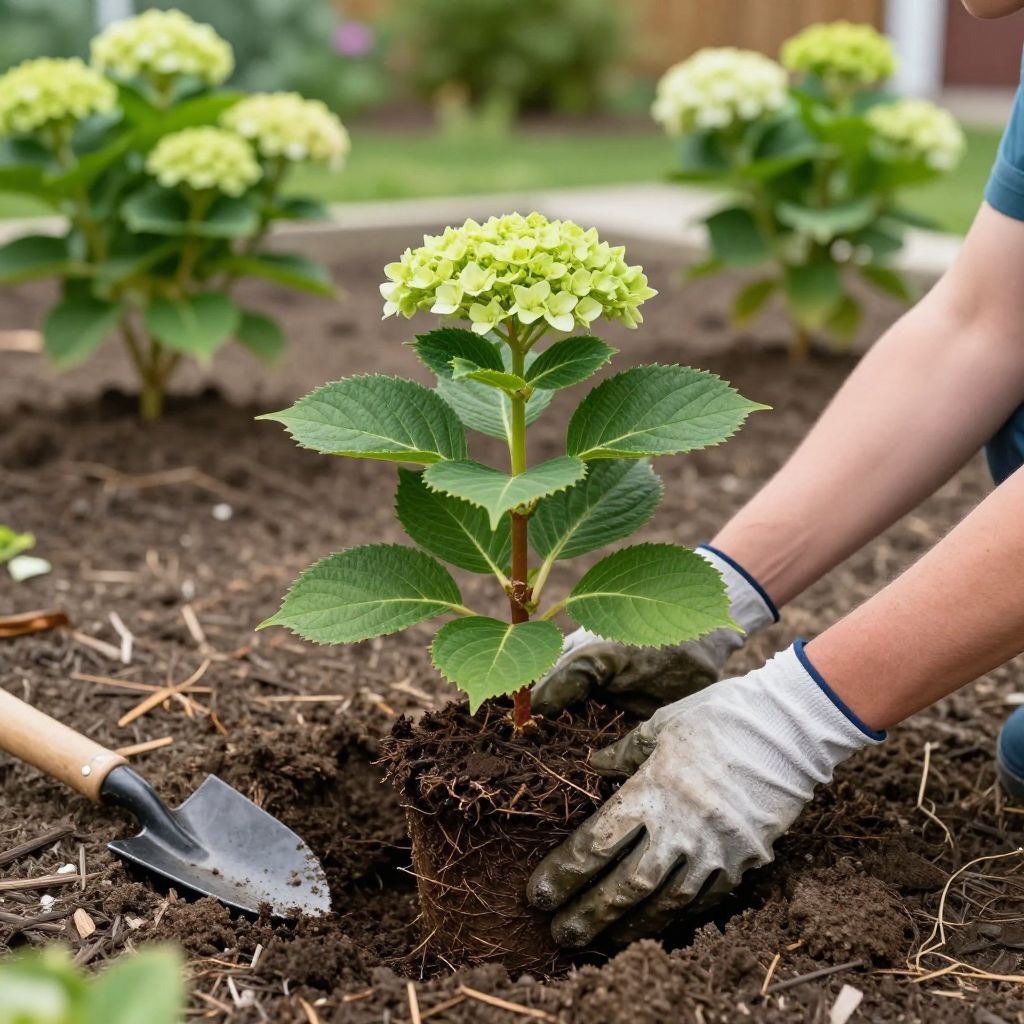
Wondering when to plant hydrangea so it settles in well and blooms strongly? The best time is usually in spring or early fall, when temperatures are mild and the soil is workable. That gives the roots time to establish before summer heat or winter cold arrives.
The exact timing depends on your climate, the type of hydrangea, and whether you’re planting a nursery-grown container plant or a bare-root shrub. If you match planting time to local weather, hydrangeas are usually easy to establish and rewarding to grow.
When to plant hydrangea?
The best time to plant hydrangea is in spring after the danger of hard frost has passed or in early fall at least 6 to 8 weeks before the ground freezes. Mild weather helps roots grow before stress from summer heat or winter cold. In very hot climates, fall planting is often easier.
Why timing matters for hydrangeas
Hydrangeas root best when the plant can focus on root growth instead of fighting heat, drought, or freeze damage. A well-timed planting usually means less transplant shock, fewer watering problems, and better flowering in the following season.
Planting at the wrong time does not always kill a hydrangea, but it can slow establishment. A shrub planted in midsummer may need frequent watering and shade protection, while one planted too late in fall may not develop enough roots before winter.
Spring planting advantages
- Cooler temperatures reduce stress on new plants.
- The shrub has a full growing season to establish roots.
- You can see new growth and adjust care early.
Fall planting advantages
- Soil is often still warm, which encourages root growth.
- Cooler air reduces water loss from leaves.
- Plants may need less frequent watering than in summer.
How to choose the right planting time for your climate
Your local climate matters more than the calendar. In cooler regions, spring is usually safest. In mild winter areas, fall planting can work very well. In places with long, hot summers, avoid planting during heat waves unless you can water consistently and provide temporary shade.
General seasonal guidance
- Cold climates: Plant in spring after frost danger passes.
- Temperate climates: Spring or early fall both work well.
- Hot climates: Prefer fall or very early spring.
- Areas with wet winters: Make sure drainage is excellent before planting in fall.
If you are unsure, look at your local average first and last frost dates. For fall planting, count backward 6 to 8 weeks from the date the ground usually freezes or hard frost becomes common.
Best conditions for planting hydrangea
Hydrangeas do best in moist, well-drained soil with plenty of organic matter. Most types prefer morning sun and afternoon shade, especially in warmer regions. Good conditions at planting time matter as much as the date on the calendar.
Light requirements
Many hydrangeas grow well with 4 to 6 hours of sun, ideally morning sun and filtered afternoon shade. In cooler climates, some types can take more sun. In hot climates, too much afternoon sun can scorch leaves and dry the soil too quickly.
Soil and drainage
Hydrangeas dislike soggy roots. If your soil stays wet after rain, improve drainage before planting or choose a raised bed or mound. Work in compost to help sandy soil hold moisture and to help heavy soil loosen up.
- Loamy soil is ideal.
- Compost improves structure and moisture retention.
- Avoid planting in low spots where water collects.
How to plant hydrangea step by step
Whether you’re planting a bigleaf hydrangea, panicle hydrangea, smooth hydrangea, or oakleaf hydrangea, the basic planting method is similar. Give the roots room, keep the crown at the right level, and water thoroughly after planting.
- Choose a site with suitable light and drainage.
- Dig a hole about 2 times as wide as the root ball, but no deeper than the root ball.
- Loosen the sides of the hole if the soil is compacted.
- Remove the plant from the container and gently loosen circling roots.
- Set the plant so the top of the root ball is level with or slightly above the surrounding soil.
- Backfill with the original soil, mixing in compost only if your soil is poor or very sandy.
- Water deeply to settle the soil and remove air pockets.
- Mulch with 2 to 3 inches of organic mulch, keeping it a few inches away from the stems.
Do not bury hydrangeas too deeply. Planting too deep can reduce oxygen around the roots and lead to decline.
Watering after planting
New hydrangeas need steady moisture while they establish. The soil should stay evenly moist, not soggy. Deep watering is better than frequent light sprinkling because it encourages roots to grow downward.
How to check moisture
Before watering, feel the soil 2 to 3 inches below the surface. If it feels dry at that depth, water. If it still feels cool and moist, wait a bit longer.
- Water more often during hot, windy weather.
- Water less often during cool or rainy periods.
- Mulch helps reduce evaporation and temperature swings.
Wilting in the afternoon does not always mean the plant needs water immediately, but repeated wilting is a sign the roots are not keeping up. Check the soil before adding more water.
Common mistakes to avoid
Most hydrangea planting problems come from poor timing, poor drainage, or planting too deeply. Avoiding these mistakes gives the shrub a much better start.
- Planting during extreme heat or drought without extra care.
- Planting too late in fall for your climate.
- Using heavy, waterlogged soil without fixing drainage.
- Overfertilizing at planting time, which can stress roots.
- Letting mulch touch the stems, which can encourage rot.
Pruning and aftercare after planting
Newly planted hydrangeas usually need very little pruning. Focus first on helping the plant establish roots. Remove only broken, dead, or clearly damaged stems at planting time.
Pruning timing depends on the type of hydrangea. Some bloom on old wood, some on new wood, and some on both. If you are not sure which kind you have, avoid heavy pruning until you can identify it correctly.
Simple first-year care
- Keep the soil evenly moist.
- Refresh mulch as needed.
- Protect from harsh afternoon sun if leaves scorch.
- Watch for transplant shock, such as drooping or leaf edge browning.
If the plant flowers lightly in its first season, that can be normal. Young hydrangeas often put energy into roots before they bloom heavily.
Problems you may see after planting
Even when planted at the right time, hydrangeas can show temporary stress. Most issues are manageable if you catch them early.
Wilting leaves
Wilting can mean the plant needs water, but it can also happen in hot sun even when the soil is moist. Check the root zone before watering again. If the site is too exposed, provide afternoon shade or a temporary screen.
Yellowing leaves
Yellow leaves may point to overwatering, poor drainage, or nutrient imbalance. If the soil stays wet for days, improve drainage rather than adding more fertilizer.
Leaf scorch
Brown, crispy leaf edges often happen in strong afternoon sun or dry wind. A layer of mulch and a slightly shadier location can help prevent this.
Few or no blooms
Newly planted hydrangeas may bloom poorly the first year. Late pruning, too much shade, or planting the wrong type for your climate can also reduce flowering. Give the shrub time to settle in before making major changes.
Can you plant hydrangea in summer or winter?
You can plant hydrangea outside the ideal spring or fall window, but it takes more care. Summer planting is possible if you can water consistently and protect the shrub from intense sun. Winter planting is usually not recommended unless you live in a very mild climate and the soil is workable.
Summer planting tips
- Plant in the evening or on a cool, cloudy day.
- Water deeply right after planting.
- Use temporary shade if the site gets hot afternoon sun.
- Check moisture often for the first several weeks.
Winter planting tips
If your ground does not freeze and your winters are mild, container-grown hydrangeas may be planted in winter. Even then, root growth is slower, so establishment will depend on soil warmth and rainfall.
Best tools and supplies for planting hydrangea
You do not need specialized equipment, but a few basic tools make planting easier and more successful.
- Spade or shovel
- Garden fork for loosening compacted soil
- Compost
- Organic mulch such as shredded bark or leaf mold
- Watering can or hose with a gentle setting
If your soil is heavy clay or very sandy, a soil test can help you understand drainage and fertility before planting. That is especially useful if you plan to add more hydrangeas later.
Final tip for successful hydrangea planting
If you want the best results, plant hydrangea when the weather is mild, the soil drains well, and you can keep it evenly moist through the first season. That simple combination does more for long-term success than any quick fix.
Before you plant, check your local frost dates, choose a site with the right light, and prepare the soil with compost if needed. For more practical garden planning, you may also want to read related advice on how to prepare garden soil and the best time to plant shrubs.