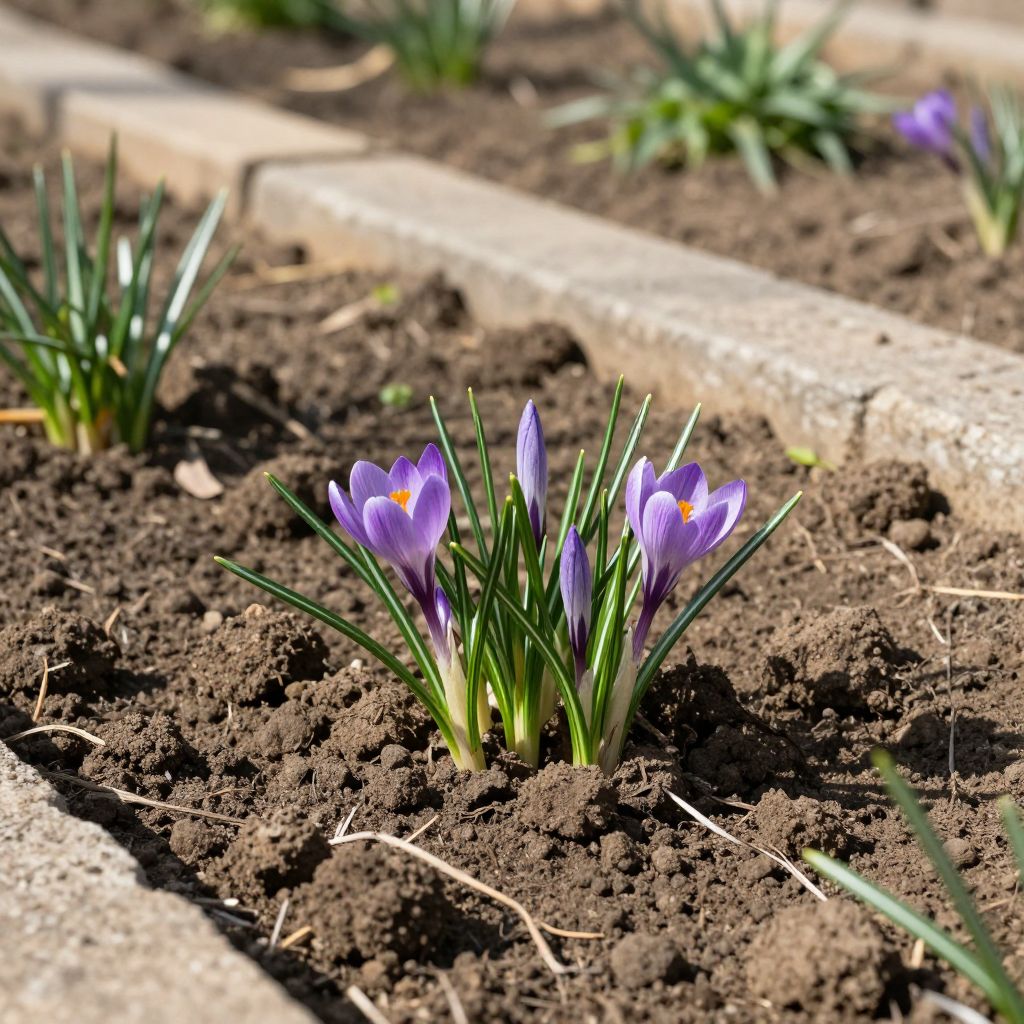
Where does saffron grow best, and can you grow it at home? Saffron comes from the crocus Crocus sativus, a fall-flowering bulb-like corm that thrives in places with hot, dry summers and cool, well-drained winters. If your soil stays wet or your summers are humid, you can still grow it, but drainage and site selection matter even more.
The good news is that saffron is not limited to one country or climate. With the right soil, sun, and seasonal care, it can be grown in many gardens, raised beds, and containers. The key is to mimic its preferred conditions as closely as possible.
Where does saffron grow?
Saffron grows best in regions with long, warm, dry summers and mild to cool, relatively dry winters, especially where the soil drains quickly. It performs well in full sun and in loose, gritty soil, and it struggles in heavy clay, soggy ground, or areas with prolonged summer humidity.
Best climates and locations for saffron
Saffron is traditionally associated with Mediterranean-type climates, but that does not mean you need to live near the sea to succeed. What matters most is a growing season with plenty of sun and a dormant period that stays dry enough to protect the corms from rot.
Ideal outdoor conditions
- Sunlight: Full sun is best for strong flowering and healthy corm development.
- Soil: Loose, fertile, and very well drained.
- Drainage: Excellent drainage is essential; standing water can ruin a planting quickly.
- Summer weather: Warm and dry is ideal while the corms are dormant.
- Winter conditions: Cool is fine, as long as the soil does not remain wet.
If you garden in a rainy climate, saffron can still be grown in raised beds, berms, or containers. These options help keep the corms above waterlogged soil and make it easier to control moisture.
Where saffron does not do well
- Low spots where water collects after rain
- Heavy clay soil that compacts and holds moisture
- Shady borders with less than half a day of direct sun
- Humid sites with poor air circulation and wet summers
- Lawns or beds that receive frequent irrigation
What kind of soil does saffron need?
Saffron grows best in soil that drains fast and does not stay sticky after watering. A sandy loam or loam enriched with compost is usually ideal. The goal is a soil that holds enough moisture for root growth but releases excess water quickly so the corms stay dry between rains or irrigations.
Soil preparation tips
- Choose a sunny site with no standing water after rain.
- Loosen the soil to a good depth so roots can spread easily.
- Work in compost if the soil is poor, but avoid making it overly rich or heavy.
- If your soil is clay-based, improve drainage with raised beds or coarse organic matter.
- Avoid adding fresh manure, which can encourage rot and overly soft growth.
Good drainage matters more than fertility. In fact, overly rich soil can encourage leafy growth without improving saffron production, while wet soil can cause the corms to fail entirely.
How to plant saffron corms
Saffron is grown from corms, not true bulbs. Planting depth and spacing help protect them from temperature swings and give them room to multiply over time.
Planting basics
- Planting depth: Commonly about 3 to 4 inches deep, depending on soil and climate.
- Spacing: Leave several inches between corms so they have room to expand.
- Orientation: Place the pointed or growing end upward if visible.
- Timing: Plant before the flowering season in your area, often late summer to early fall in many climates.
Because local climate varies, the best planting time is the one that lets corms establish roots before flowering begins. In colder or wetter regions, many gardeners plant in late summer so the corms can settle in before sustained cold and rain arrive.
Raised beds and containers
Raised beds are one of the easiest ways to grow saffron outside its ideal climate. They warm up faster, drain better, and reduce the risk of rot. Containers also work well if they have large drainage holes and a gritty potting mix.
- Use a pot at least 8 to 10 inches deep for root space and drainage.
- Choose a free-draining mix, not standard moisture-retentive potting soil alone.
- Keep containers in full sun.
- Protect pots from excessive winter wet if your climate is rainy.
Watering, feeding, and seasonal care
Saffron’s water needs change through the year. It needs moisture to root and grow, but too much water at the wrong time is one of the fastest ways to lose a planting.
Watering through the seasons
- After planting: Water lightly to settle the soil unless rain is already adequate.
- During active growth: Water only when the soil begins to dry, especially in dry climates.
- During dormancy: Keep the soil drier, particularly in summer.
- In wet regions: You may need little or no supplemental watering outdoors.
Think “evenly moist, never soggy” while the plant is actively growing, then “dry and airy” when it is resting. If you are unsure, check the soil a few inches down before watering.
Feeding saffron
Saffron does not need heavy feeding. A light topdressing of compost before planting or at the start of the growing season is usually enough in average garden soil. Too much nitrogen can produce lush leaves but weak flowering.
- Use compost sparingly if your soil is already fertile.
- Avoid high-nitrogen lawn fertilizers near the bed.
- Do not overfeed container plants; a lean mix is usually better.
Flowering, harvesting, and aftercare
Saffron flowers in autumn in many climates, producing purple blooms with red stigmas, which are the saffron threads gardeners harvest. The flowers often appear before much foliage, so do not mistake the plant for being inactive.
How to harvest saffron
- Pick flowers early in the day when they are fully open.
- Gently remove the red stigmas from each flower.
- Dry them carefully in a clean, airy place away from direct sun.
- Store the dried saffron in an airtight container in a cool, dark spot.
Harvest promptly, because flowers fade quickly. If you miss a bloom, it will not usually harm the plant, but the usable stigmas are best collected while fresh.
What to do after flowering
After bloom, the leaves continue feeding the corm for next season’s growth. Let the foliage stay in place until it yellows naturally. Cutting green leaves too early reduces the plant’s ability to store energy.
- Leave foliage untouched until it dies back on its own.
- Keep the area weed-free so the leaves get maximum light.
- Reduce watering as the foliage fades and dormancy begins.
Common problems when growing saffron
Most saffron problems come from too much moisture, poor drainage, or planting in the wrong location. If your saffron is not flowering well, the site is usually the first thing to inspect.
Rot and weak growth
Soft, rotting corms usually mean the soil stayed wet too long. Improve drainage, reduce watering, and replant only healthy corms in a better site.
Poor flowering
Weak bloom can result from shade, overcrowding, shallow planting, or corms that are too young or depleted. Moving the planting to a sunnier, better-drained bed often helps more than adding fertilizer.
Pests and wildlife
Saffron is not heavily troubled by many pests, but rodents may dig up corms, and slugs can damage young growth in damp conditions. A tidy bed, good drainage, and physical barriers can help.
- Use wire mesh or hardware cloth to deter digging animals in problem areas.
- Remove debris where slugs can hide.
- Inspect corms before planting and discard any that feel soft or damaged.
Can you grow saffron indoors?
You can grow saffron in a bright indoor space if you cannot provide the right outdoor conditions. A sunny windowsill, greenhouse, or cool sunroom can work, but indoor growing still depends on strong light and careful watering.
Indoor growing tips
- Use a pot with excellent drainage.
- Place it where it gets several hours of direct sun or very bright light.
- Water sparingly and let excess water drain away completely.
- Keep the pot in a cooler spot during the dormant period if possible.
Indoor saffron is often easier to manage in climates with wet winters, because you can control moisture more closely. Just remember that low light is a common reason indoor plants fail to flower.
How to keep saffron coming back year after year
Saffron can naturalize and multiply when conditions suit it, but it does best when the corms are not crowded and the bed remains healthy. Every few years, you may need to lift and divide the corms if flowering declines.
Maintenance checklist
- Keep the bed sunny and weed-free.
- Prevent summer waterlogging.
- Allow foliage to die back naturally.
- Divide overcrowded corms when flowering drops off.
- Replant only firm, healthy corms.
If you want the best chance of success, think of saffron as a dry-climate crop that can be adapted to many gardens with the right setup. A sunny raised bed, gritty soil, and cautious watering will solve most problems before they start.
For more practical bulb-growing advice, you may also find it helpful to read about how to plant bulbs for strong spring and fall blooms and raised bed gardening for better drainage.