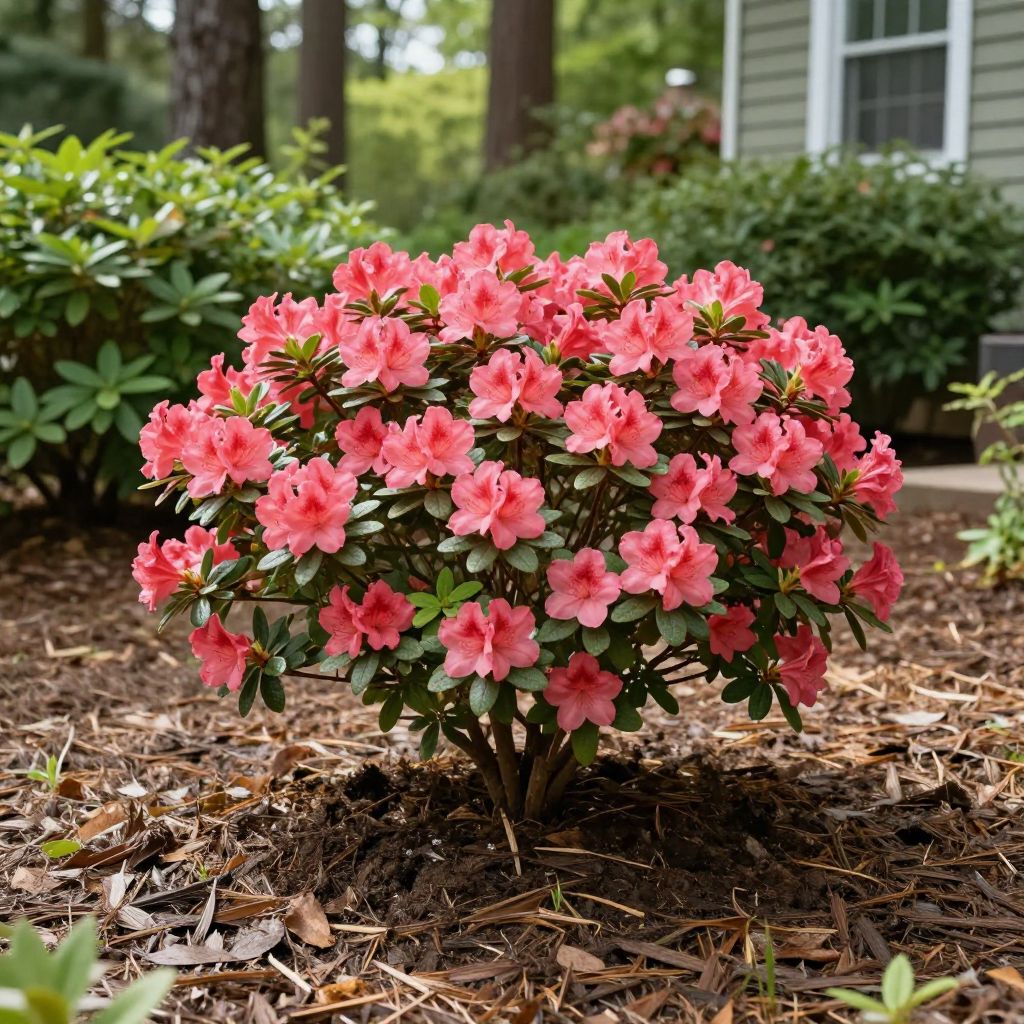
Wondering where to plant azaleas so they actually thrive? The right spot makes a huge difference in flowering, leaf color, and long-term health. Azaleas are beautiful, but they are not forgiving of poor drainage, hot afternoon sun, or alkaline soil.
If you choose the location carefully and prepare the soil well, azaleas can become reliable, low-maintenance shrubs. The best planting site usually offers filtered light, acidic soil, and steady moisture without waterlogging.
Where to plant azaleas?
Plant azaleas in a spot with morning sun and afternoon shade, acidic well-drained soil, and protection from harsh wind and reflected heat. They do best under open tree canopy, along east-facing foundations, or in woodland-style beds. Avoid full afternoon sun, soggy ground, and heavy clay without improvement.
Best locations for azaleas in the landscape
Azaleas are woodland shrubs at heart, so they prefer conditions that mimic a lightly shaded forest edge. Think dappled light, loose organic soil, and consistent moisture rather than exposed, dry garden corners.
Ideal planting sites
- East- or north-facing beds with bright morning light
- Under high-canopy trees that provide filtered shade
- Along woodland edges where soil stays cool
- Near patios or paths if the area is not baked by reflected heat
- Foundation beds only if the soil drains well and the site is not too hot or dry
In warmer climates, azaleas usually need more shade than in cooler regions. In cooler or cloudier areas, they can tolerate more sun, especially if the soil stays evenly moist.
Places to avoid
- Full afternoon sun in hot climates
- Low spots where water collects after rain
- Areas with compacted soil or poor drainage
- Sites exposed to strong drying winds
- Locations under shallow-rooted trees that compete heavily for water
If you are unsure whether a site is too sunny, watch it over a full day. Azaleas often look fine in spring but struggle later in the season when heat and sun intensify.
What soil do azaleas need?
Soil is one of the most important factors when deciding where to plant azaleas. They prefer acidic soil with good drainage and plenty of organic matter. A loose, humus-rich texture helps roots spread and keeps moisture available without becoming soggy.
Soil conditions to aim for
- pH: acidic, generally around 4.5 to 6.0
- Texture: loose, crumbly, and well-aerated
- Drainage: moist but never waterlogged
- Organic matter: leaf mold, compost, pine bark, or other decomposed plant material
If your soil is heavy clay, sandy, or alkaline, the planting site can still work, but only with thoughtful preparation. Azaleas are shallow-rooted, so the top layer of soil matters a great deal.
How to improve a poor site
- Dig a wide planting area rather than a deep hole.
- Blend in organic matter to improve structure and moisture retention.
- Use pine bark fines, compost, or leaf mold to help create a more suitable root zone.
- Check drainage by watering the area and seeing whether water disappears within a reasonable time.
- If drainage is very poor, consider a raised bed or mound instead of planting directly in the ground.
Do not bury azaleas in rich, heavy soil that stays wet. Roots need air as much as they need water.
How much sun do azaleas need?
Most azaleas bloom best with morning sun and afternoon shade. A few hours of direct sun early in the day helps flowering, but hot afternoon exposure can scorch leaves, fade blooms, and dry out the root zone too quickly.
Sunlight by climate
- Cooler climates: more sun is often acceptable, especially with consistent moisture
- Hotter climates: more shade is usually better, particularly in the afternoon
- Dry climates: choose the shadiest suitable site and plan for irrigation
Too much shade can reduce flowering and make shrubs leggy. Too much sun can cause leaf scorch and stress. The best balance is usually bright filtered light or a few hours of direct morning sun.
Drainage and moisture: why the planting spot matters
Azaleas like even moisture, but they dislike wet feet. The planting site should drain well enough that roots are never sitting in standing water, especially after rain or irrigation.
Signs the site drains well
- Water soaks in rather than pooling for long periods
- Soil feels moist, not sticky or slimy
- Roots of nearby plants appear healthy, not rotted
- The ground does not stay saturated after normal rainfall
If your yard has clay soil, a slight mound or raised bed can make a big difference. Planting a little high is often safer than planting too deep in a wet hole.
Simple drainage test
- Dig a hole about 12 inches deep and 12 inches wide.
- Fill it with water and let it drain.
- Refill it and observe how long the second fill takes to drain.
If water remains for many hours, the site may be too slow-draining for azaleas unless you improve it substantially or plant in a raised bed.
How to plant azaleas in the right spot
Once you have found a suitable location, careful planting helps the shrub settle in quickly. Azaleas are shallow-rooted, so the planting depth and width matter more than making a deep hole.
Step-by-step planting guide
- Choose a site with filtered light and good drainage.
- Loosen the soil in a broad area, not just a narrow hole.
- Mix in organic matter if the soil is poor or compacted.
- Set the plant so the top of the root ball sits level with or slightly above the surrounding soil.
- Backfill gently and water thoroughly to settle the soil.
- Mulch around the plant, keeping mulch a few inches away from the stems.
Never plant azaleas too deep. Deep planting is a common reason shrubs decline after looking fine for a few weeks or months.
Mulching around azaleas
Mulch helps keep roots cool, conserves moisture, and reduces weeds. Use a 2 to 3 inch layer of pine bark, pine needles, shredded leaves, or other loose organic mulch.
Keep mulch from touching the stems. A mulch volcano traps moisture against the bark and can encourage rot.
Can azaleas grow in containers?
Yes, azaleas can grow in containers if you cannot provide the right garden soil or if you want to place them on a patio, balcony, or entryway. Container growing gives you more control over soil acidity and drainage, but it also means the plant dries out faster.
Container placement tips
- Set pots where they get morning sun and afternoon shade
- Avoid hot paving that radiates heat upward
- Use a pot with drainage holes
- Choose a potting mix suited to acid-loving plants if available
- Protect containers from drying winds
Container azaleas need closer attention to moisture than in-ground plants. Check the soil often, especially during warm or windy weather.
Common mistakes when choosing where to plant azaleas
Many azalea problems start with the wrong location rather than poor care later. If the site is unsuitable, even regular watering and feeding may not solve the issue.
Mistakes to avoid
- Planting in full afternoon sun in hot climates
- Choosing a wet, poorly drained spot
- Ignoring soil pH and planting in alkaline ground without correction
- Planting too deep
- Putting azaleas where tree roots compete for water and nutrients
- Skipping mulch in exposed sites
If an azalea is already struggling, check the site first. Leaf scorch, yellowing, sparse flowering, and wilting can all point to location problems.
How to tell if your azalea site is working
A good planting site should support steady growth without constant rescue care. Healthy azaleas usually keep their leaves in good condition, set buds for the next season, and grow evenly rather than in a stressed, thin pattern.
Good signs
- Leaves stay green and firm
- New growth appears after the main bloom period
- Soil stays moist but not saturated
- Flowers form well the following season
Warning signs
- Leaf edges turn brown or crispy
- Leaves yellow despite regular watering
- Plant wilts in the afternoon even when soil is damp
- Very little flowering occurs
- Roots or lower stems show rot symptoms
If you see these problems, reassess light, drainage, and soil conditions before changing anything else.
Practical seasonal tips for the planting site
Azaleas are easiest to establish when the weather is mild and the soil is workable, but exact timing depends on your climate. The key is to avoid planting during extreme heat, drought, or frozen ground.
Seasonal considerations
- Spring: good for planting in many regions, especially before heat arrives
- Fall: often excellent where winters are not severe, because roots can establish in cool soil
- Summer: possible only with careful watering and protection from heat
- Winter: avoid planting in frozen or saturated soil
After planting, keep the root zone evenly moist while the plant establishes. Once rooted in, azaleas usually need less frequent but still consistent moisture than many shrubs.
Conclusion: choose the right spot first
The best answer to where to plant azaleas is simple: choose a cool, lightly shaded site with acidic, well-drained soil and protection from harsh afternoon sun. If your garden does not naturally offer those conditions, improve the soil or use a raised bed or container.
Before planting, walk your yard, check the light, and test the drainage. That small bit of planning will pay off with healthier shrubs and better blooms for years to come. For more help with acid-loving shrubs and planting design, you may also find these guides useful: