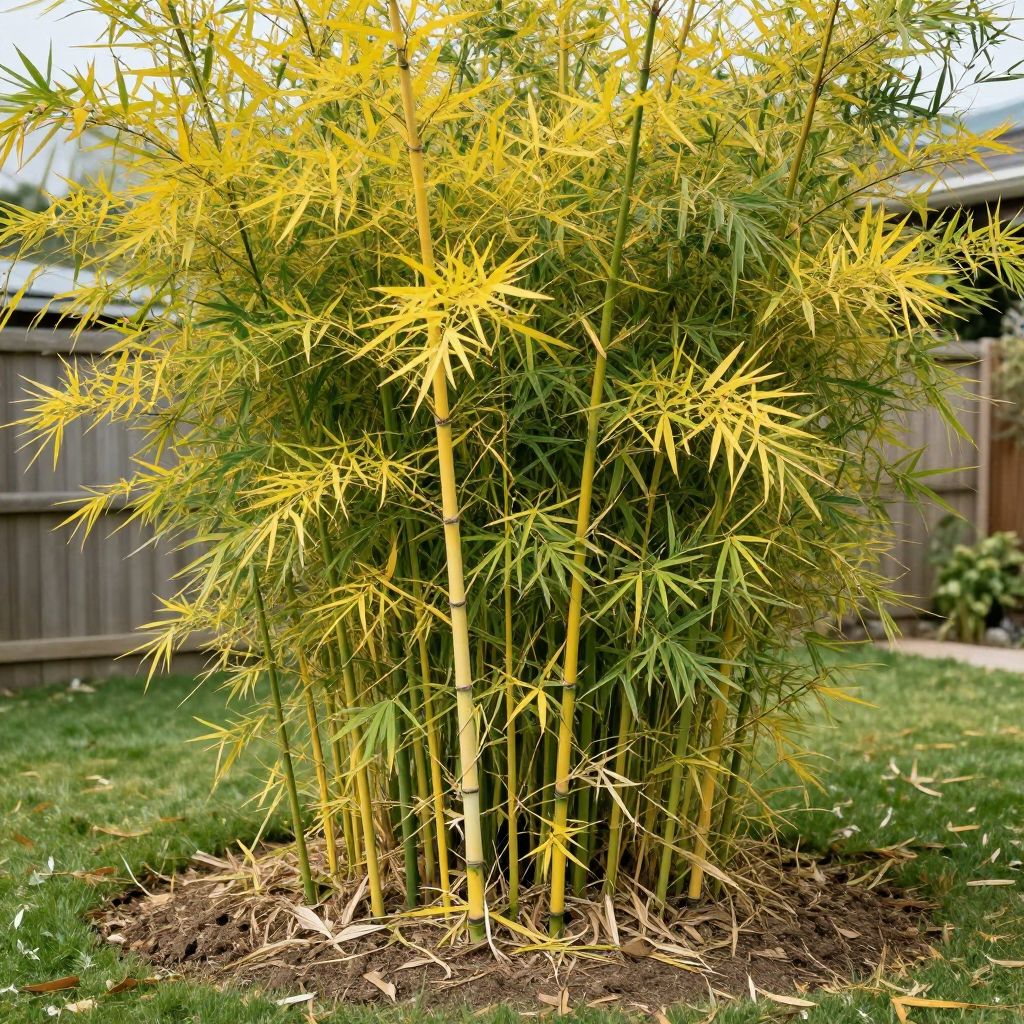
Why is my bamboo turning yellow? In many cases, yellowing bamboo is a stress signal rather than a death sentence. The cause is often too much or too little water, poor drainage, low light, nutrient imbalance, cold damage, or normal leaf aging.
The right fix depends on whether you grow clumping bamboo, running bamboo, or a bamboo-like plant indoors. Start by checking the soil, light, and watering pattern before you prune or fertilize, because the wrong correction can make the problem worse.
Why is my bamboo turning yellow?
Bamboo usually turns yellow because its roots, leaves, or growing conditions are under stress. The most common causes are inconsistent watering, soggy soil, too much direct sun or too little light, nutrient deficiency, cold or wind damage, pests, or natural shedding of older leaves. The pattern of yellowing tells you what to fix first.
Start by identifying the type of yellowing
Not all yellow bamboo looks the same. A few yellow leaves deep inside the plant can be normal, while widespread yellowing across canes, culms, or entire clumps usually points to a care problem.
What the yellowing looks like
- Older lower leaves turning yellow and dropping: often normal leaf turnover.
- Many leaves turning pale yellow at once: usually watering, drainage, or feeding stress.
- Yellow leaves with brown tips: often dry air, wind, salt, or inconsistent moisture.
- Yellowing after cold weather: likely frost or winter burn.
- Yellowing with spotting, webbing, or sticky residue: inspect for pests or disease.
If only a few older leaves are yellowing while the rest of the plant looks vigorous, you may not need to do much at all. If the yellowing is spreading, treat it as a diagnostic clue and check the roots, soil, and exposure.
Common causes of bamboo turning yellow and how to fix them
1. Overwatering and poor drainage
One of the most common reasons bamboo turns yellow is waterlogged soil. Bamboo likes consistent moisture, but its roots still need oxygen. In heavy clay soil or a pot without drainage, roots can suffocate and leaves yellow quickly.
What to look for: soggy soil, a sour smell, limp canes, yellowing across much of the plant, or blackened roots in container-grown bamboo.
How to fix it:
- Check the soil 2 to 4 inches below the surface.
- If it feels wet for days after watering, reduce watering and improve drainage.
- For potted bamboo, make sure the container has drainage holes and empty saucers after watering.
- For garden bamboo, top-dress with compost and, if needed, replant in a better-drained spot or raised bed.
- Remove badly rotted roots only if you unpot the plant and can see clear decay.
Do not keep watering on a fixed schedule if the soil stays wet. Always adjust to rainfall, temperature, pot size, and soil type.
2. Underwatering or irregular watering
Bamboo can also yellow when it dries out too much. This is especially common in containers, on windy sites, and during hot weather when water evaporates faster than expected.
What to look for: crispy yellow leaf edges, rolled leaves, dry soil pulling away from the pot or garden bed, and sudden yellowing after heat or drought.
How to fix it:
- Water deeply so moisture reaches the root zone, not just the surface.
- Mulch garden bamboo with 2 to 3 inches of organic mulch, keeping it a few inches away from the canes.
- For pots, water until excess drains from the bottom, then check again sooner in warm or windy weather.
Try to keep the soil evenly moist, not soggy and not bone dry. Bamboo handles short dry spells better once established, but young plants and container plants need closer attention.
3. Too much sun, too little sun, or sudden exposure changes
Light problems can make bamboo yellow. Some bamboo types tolerate full sun, while others prefer filtered light or partial shade. Indoor bamboo, including lucky bamboo (Dracaena sanderiana), often yellows when light is too intense or too dim.
What to look for: bleached yellow leaves in strong sun, weak pale growth in deep shade, or sudden yellowing after moving a plant from indoors to outdoors.
How to fix it:
- If the plant is in harsh afternoon sun, give it light shade during the hottest part of the day.
- If it is in deep shade and growth is pale, move it to brighter indirect light or dappled sun if the species allows.
- Acclimate plants gradually when moving them outdoors in spring.
For indoor bamboo, bright indirect light is usually safer than direct sun through a hot window. Rotate containers occasionally so growth stays even.
4. Nutrient deficiency or poor soil
Yellowing can happen when bamboo lacks nutrients, especially in containers or tired garden soil. Nitrogen deficiency often shows up as general paling, while magnesium or iron issues can cause yellowing between greener veins.
What to look for: slow growth, pale new leaves, overall fading color, and weak canes in soil that has not been refreshed for years.
How to fix it:
- Top-dress garden bamboo with compost in spring or early summer.
- Use a balanced, slow-release fertilizer suitable for ornamental grasses or bamboo, following the label.
- For containers, refresh the potting mix periodically and feed lightly during the growing season if the plant is actively growing.
Avoid overfertilizing. Too much fertilizer can burn roots, create salt buildup, and cause more yellowing rather than less.
5. Salt buildup or fertilizer burn
Container bamboo is especially prone to salt accumulation from fertilizers, tap water, or repeated feeding. When salts build up, leaf tips brown, leaves yellow, and roots can become stressed.
What to look for: crusty residue on the soil surface, brown leaf tips, yellowing after feeding, or poor response despite regular watering.
How to fix it:
- Flush containers thoroughly with clean water so excess salts drain away.
- Pause fertilizing for a few weeks if you suspect burn.
- Use fresh potting mix if the container has been heavily fed for a long time.
If your tap water is very hard, consider alternating with rainwater when practical, especially for indoor bamboo or potted plants.
6. Cold damage or wind burn
Cold snaps, frost, and drying winter winds can yellow bamboo leaves, especially on exposed plants or marginally hardy species. Even if the canes survive, foliage may look stressed for weeks.
What to look for: yellowing after a freeze, bronzing, leaf scorch, and damage concentrated on the windward side of the plant.
How to fix it:
- Wait until the weather settles before deciding how much damage is permanent.
- Mulch the root zone before cold weather if your climate has winter freezes.
- Use wind protection for exposed plantings where possible.
- Prune only dead or badly damaged growth after new growth begins.
Do not rush to cut back healthy canes after winter. Bamboo often pushes new foliage once temperatures improve.
7. Pests and disease
Pests are less common than watering or light problems, but they can still cause yellowing. Spider mites, scale, and aphids may weaken leaves, while fungal issues can create spotting, decline, or patchy yellowing.
What to look for: fine webbing, sticky residue, tiny bumps on stems, distorted leaves, or spots that spread.
How to fix it:
- Inspect the undersides of leaves and stems closely.
- Rinse foliage with water if pests are light and the plant can tolerate it.
- Prune heavily infested leaves or stems if needed.
- Improve airflow and avoid wetting foliage late in the day.
If the problem keeps spreading or the plant is declining rapidly, remove affected material and seek local plant advice, since disease symptoms can overlap with stress from watering or cold.
8. Natural aging and seasonal leaf drop
Bamboo is an evergreen grass, but it does shed older leaves. This is often more noticeable in spring when new leaves replace old ones, or after stress when the plant conserves energy.
What to look for: scattered yellow leaves mostly on older interior growth, while the rest of the plant remains healthy and green.
How to fix it: usually nothing beyond normal cleanup. Remove fallen leaves and monitor the plant, but do not assume every yellow leaf means trouble.
How to troubleshoot yellow bamboo step by step
If you are not sure why your bamboo is yellowing, use this simple order of checks. It helps you avoid treating the wrong problem first.
- Check the soil moisture. Is it soggy, dry, or uneven?
- Look at the pattern. Are only old leaves affected, or is the whole plant fading?
- Inspect the site. Consider sun, shade, wind, and recent weather changes.
- Examine the roots if potted. Healthy roots are firm; rotten roots are brown, mushy, and smelly.
- Look for pests. Check stems and leaf undersides.
- Review recent care. Has the plant been overfed, underwatered, moved, or exposed to frost?
Once you identify the most likely cause, make one change at a time. That makes it easier to see what actually helps.
Should you cut off yellow bamboo leaves?
Yes, but only as needed. You can remove fully yellow or brown leaves to improve appearance and reduce clutter around the base. However, do not strip a stressed plant too aggressively, because healthy leaves still help it recover.
If canes or stems are yellowing and soft, prune back to healthy tissue with clean, sharp tools. Disinfect tools between plants if you suspect disease.
How to prevent bamboo from turning yellow again
Prevention is mostly about steady care and matching the plant to the site. Bamboo does best when its roots have moisture, drainage, and room to grow.
- Plant in well-drained soil enriched with organic matter.
- Water deeply and adjust for weather, pot size, and soil type.
- Mulch garden bamboo to conserve moisture and moderate temperature.
- Give the plant the right light for its species and location.
- Feed lightly and avoid overfertilizing.
- Protect exposed plants from frost and drying wind when possible.
- Inspect regularly for pests, especially on indoor or container plants.
Container-grown bamboo usually needs more frequent monitoring than bamboo in the ground. Pots dry out faster, but they can also stay too wet if drainage is poor, so check them often rather than guessing.
When to worry most
Yellowing is more serious when it affects new growth, spreads quickly, or comes with root rot, blackened stems, or heavy leaf drop. If the plant is yellowing after a recent move, heat wave, freeze, or feeding mistake, focus on correcting that stress first.
If the bamboo keeps declining despite improved care, it may need repotting, root inspection, or site correction. In the ground, a poorly drained location is a common long-term problem that pruning alone will not solve.
For more help with bamboo care and related planting decisions, you may also want to read about how to grow bamboo in containers and fixing poor drainage in garden beds.