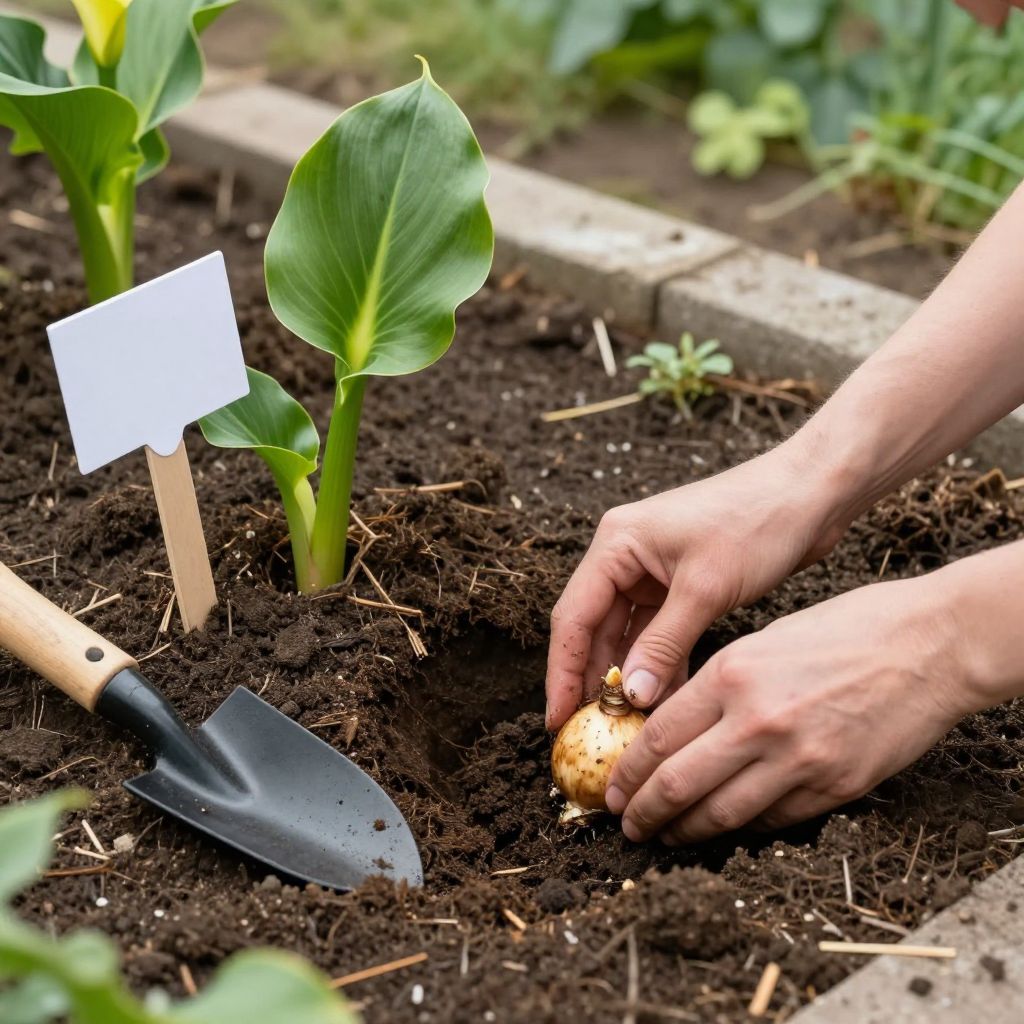
Wondering when to plant calla lily bulbs for the best flowers? Timing matters because calla lilies grow from rhizomes and respond strongly to soil temperature, moisture, and frost risk. Plant too early in cold, wet soil and they may rot; plant too late and you can shorten the bloom season.
The good news is that calla lilies are forgiving once they’re established. If you match planting time to your climate and give them loose, well-drained soil, they can reward you with elegant blooms for weeks.
When to plant calla lily bulbs?
Plant calla lily bulbs, more accurately rhizomes, in spring after the danger of frost has passed and the soil has warmed. In mild climates, you can plant in fall for spring growth. For containers or indoor starts, begin 4 to 6 weeks before your local outdoor planting window.
Understanding calla lily planting time
Calla lilies are not true lilies, and their planting needs are a little different. They prefer warm soil, steady moisture, and protection from freezing temperatures, so the best time to plant depends on whether you grow them outdoors year-round or lift the rhizomes for winter.
Best outdoor planting window
For most gardeners, spring is the safest time to plant calla lily bulbs outdoors. Wait until nights are consistently mild and the soil can be worked without being cold and soggy.
- Cool climates: Plant in late spring after the last frost.
- Mild climates: Plant in spring or early fall if winters are gentle.
- Very warm climates: Plant when temperatures are warm but not scorching, and avoid periods of extreme heat during establishment.
If your soil stays cold and wet in spring, delay planting a little longer. Calla lily rhizomes rot more easily in poorly warmed ground than many other bulbs.
Indoor or pot planting
If you want an earlier start, you can plant calla lily rhizomes in pots indoors before moving them outside. Use this method when you want blooms sooner or when your outdoor season is short.
- Start them about 4 to 6 weeks before your last expected frost.
- Keep them in a bright, warm spot.
- Move them outdoors only after nights are reliably above freezing.
How to plant calla lily bulbs the right way
Planting is simple, but a few details make a big difference. Calla lilies need loose soil, moderate depth, and good drainage to establish well and bloom reliably.
Choose the right site
Pick a location with morning sun and afternoon shade in hot climates, or full sun in cooler regions. Too much shade can reduce flowering, while intense all-day heat can stress the plants.
The soil should be rich, loose, and able to drain well. Heavy clay holds too much water and can cause the rhizomes to decay.
Prepare the soil
Before planting, work in compost or well-rotted organic matter to improve texture and fertility. This helps the soil hold enough moisture without becoming waterlogged.
If drainage is poor, consider planting in raised beds or large containers. That is often the easiest way to grow calla lilies successfully in wet or compacted soil.
Planting depth and spacing
Set each rhizome about 2 to 4 inches deep, with the growing points facing upward. Space them roughly 12 to 18 inches apart, depending on the mature size of the variety and how full you want the planting to look.
- Dig a shallow hole or trench.
- Place the rhizome with the “eyes” or growth points facing up.
- Cover with soil and press gently.
- Water lightly to settle the soil.
Avoid planting too deeply. Deep planting can slow sprouting and increase the risk of rot, especially in cool soil.
Growing conditions calla lilies prefer
Once planted, calla lilies do best with steady care rather than constant fussing. Their needs are straightforward, but they dislike extremes.
Sunlight
Calla lilies usually bloom best with bright light. In cooler areas, full sun is often ideal. In hotter climates, give them partial shade during the hottest part of the day to prevent leaf scorch and stress.
Watering
Keep the soil evenly moist after planting, but never soggy. Water enough to support root growth, then adjust based on weather, container size, and soil type.
Containers dry out faster than garden beds, so potted calla lilies may need more frequent checks. Still, always let excess water drain away.
Temperature
Calla lilies grow best in mild to warm conditions. They dislike frost and may stop growing if temperatures dip too low. If you garden in a cold region, plan to lift and store the rhizomes before hard frost.
Calla lily care after planting
Good aftercare helps the rhizomes establish quickly and encourages flowering. The first few weeks after planting are especially important.
What to do during establishment
- Keep soil evenly moist, not saturated.
- Watch for sprouting, which may take a few weeks depending on warmth.
- Remove weeds that compete for moisture and nutrients.
- Mulch lightly if needed, but keep mulch away from the crown to avoid excess moisture buildup.
Fertilizing
Calla lilies usually benefit from fertile soil, but they do not need heavy feeding. A compost-rich planting bed may be enough. If growth is weak or flowering is poor, use a balanced fertilizer according to the product label and your soil conditions.
Too much nitrogen can encourage leafy growth at the expense of blooms, so avoid overfeeding.
When to plant calla lily bulbs in pots
Potted calla lilies give you more control over timing, especially if your climate is unpredictable. You can start them early, move them as needed, and protect them from frost more easily.
Container planting tips
Choose a pot with drainage holes and use a high-quality potting mix that drains well. A container that is too large can stay wet too long, while one that is too small can dry out quickly.
- Use a pot deep enough for root growth and stability.
- Plant one or a few rhizomes with space between them.
- Water thoroughly, then let the top layer of mix dry slightly before watering again.
If you plan to move the pot outdoors, harden it off gradually by exposing it to outdoor conditions over several days.
Common mistakes to avoid
Most calla lily problems start at planting time. Avoiding a few common errors can save you from rot, poor growth, and disappointing blooms.
- Planting too early in cold soil: This is one of the biggest causes of failure.
- Overwatering before sprouting: Moist soil is good; waterlogged soil is not.
- Using heavy, compacted soil: Calla lilies need drainage.
- Too much shade: Plants may survive but bloom poorly.
- Overcrowding: Crowded rhizomes compete for light and nutrients.
Pests and diseases to watch for
Calla lilies are not extremely fussy, but they can run into trouble if conditions are too wet or crowded. Good spacing and drainage prevent many issues before they start.
Rot and fungal problems
Soft, mushy rhizomes usually point to excess moisture or poor drainage. If you notice this, reduce watering and improve the planting site next time. In severe cases, affected rhizomes may need to be removed.
Insects and wildlife
Slugs and snails may chew young growth, especially in damp gardens. Aphids can also gather on tender stems. Check plants regularly and address problems early with simple physical removal or other appropriate garden controls.
How to overwinter calla lily bulbs
In cold regions, calla lily rhizomes should be lifted before freezing weather arrives. This is especially important if you are growing them in the ground rather than in containers.
- Wait until foliage begins to yellow or the season is ending.
- Carefully lift the rhizomes with a garden fork.
- Brush off excess soil and let them dry briefly in a sheltered place.
- Store them in a cool, dry, frost-free location.
Check stored rhizomes periodically for softness, mold, or shriveling. Healthy storage helps you replant them at the right time in spring.
Can you divide or propagate calla lilies?
Yes. Mature calla lily clumps can often be divided when they are dormant. Division is a practical way to multiply plants and keep overcrowded clumps flowering well.
Separate healthy rhizomes with visible growth points and replant them in fresh soil. Make sure each division has enough stored energy and at least one viable bud.
Quick seasonal guide
If you want a simple rule for when to plant calla lily bulbs, use the season and your local weather as your guide.
- Spring: Best time for most outdoor planting.
- Early summer: Still possible in some climates, but plants may need extra attention in heat.
- Fall: Suitable only in mild climates with little frost risk.
- Winter: Usually not recommended outdoors unless you are in a very warm region or planting indoors.
Conclusion
The best time to plant calla lily bulbs is usually spring, after frost danger has passed and the soil has warmed. Choose a sunny or partly shaded site, use well-drained soil, and keep moisture steady without overwatering. If you want an early start, plant them in pots indoors and move them out when conditions are safe.
For more practical planting advice, you may also want to read about how to prepare garden soil for bulbs and growing flowering bulbs in containers once your calla lilies are in the ground.