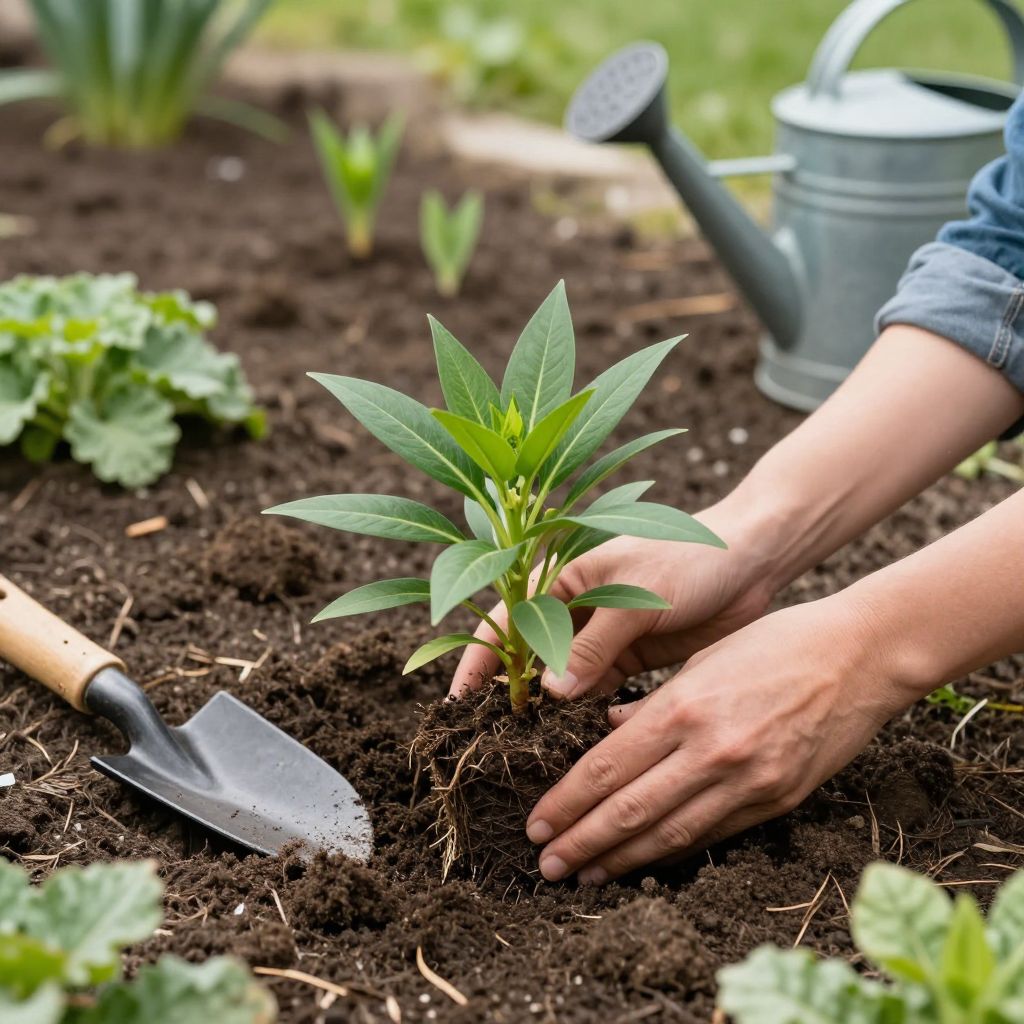
When to plant phlox depends on the type you’re growing and your climate, but the best time is usually spring or early fall for garden phlox and other perennial types. Plant when soil is workable, temperatures are mild, and the roots have time to establish before summer heat or winter cold.
If you time it well and give phlox the right conditions, it can settle in quickly and reward you with strong growth and colorful flowers. The key is choosing the season that matches your plant type, then planting in well-drained soil with good air circulation.
When to plant phlox?
Plant perennial phlox in spring after the last frost or in early fall about 6 to 8 weeks before the ground freezes. Spring planting is best in colder climates, while fall planting works well where autumn stays mild. Annual phlox is usually planted in spring after frost danger passes.
Best planting time by phlox type
“Phlox” can mean several different plants, and the best planting window changes a little depending on which one you have. Knowing the type helps you avoid planting too early or too late.
Garden phlox (Phlox paniculata)
Garden phlox is a long-lived perennial that does best when planted in spring or early fall. Spring planting gives roots a full season to establish before winter. Fall planting can work very well, but only if the plant has enough time to root in before hard freezes.
Creeping phlox (Phlox subulata)
Creeping phlox is also a perennial, often used as a ground cover. Plant it in spring or early fall so it can root into the soil while temperatures are moderate. Once established, it handles dry spells better than many other phlox types, but it still needs good drainage.
Annual phlox
Annual phlox is typically planted in spring after frost danger has passed. It grows quickly, flowers through the warm season, and finishes its life cycle in one year. In cooler climates, you can start it indoors a few weeks before planting out if needed.
How to choose the right planting window
The best planting date is less about the calendar and more about your local weather. Phlox roots establish best when the plant can grow steadily without extreme heat or freezing conditions.
- Cold climates: Plant in spring after the soil has warmed and frost risk is mostly past.
- Mild climates: Spring or early fall both work well for perennial phlox.
- Hot-summer regions: Fall planting is often easier because young plants avoid intense heat.
- Wet winters or heavy clay soil: Spring planting is often safer if your soil stays soggy in fall and winter.
If you are unsure, choose the season that gives the plant at least several weeks of moderate weather to settle in. That root-establishment period matters more than the exact month.
Where phlox grows best
Phlox grows best in a site that matches its light and drainage needs. Most types want sun, but they also need room for air to move around the foliage.
Sunlight
Most phlox performs best in full sun, meaning at least 6 hours of direct light daily. In hot climates, garden phlox often appreciates light afternoon shade, especially if summers are intense. Too much shade can reduce flowering and increase disease problems.
Soil and drainage
Phlox prefers soil that is fertile, loose, and well drained. It does not like sitting in waterlogged ground, which can lead to root rot and weak growth. If your soil is heavy clay, work in compost to improve structure, and consider planting on a slight mound or raised bed.
Air circulation
Good spacing is important, especially for garden phlox. Crowded plants hold moisture on the leaves and are more likely to develop powdery mildew. Give each plant enough room for its mature spread, and avoid tucking it into a tightly enclosed corner.
How to plant phlox step by step
Whether you are planting a nursery plant or dividing an existing clump, the basic process is similar. Good planting technique helps phlox establish quickly and reduces transplant stress.
- Choose a site with the right amount of sun and well-drained soil.
- Loosen the soil to a depth of about 8 to 12 inches.
- Mix in compost if the soil is poor, compacted, or low in organic matter.
- Dig a hole slightly wider than the root ball but no deeper than the plant was growing before.
- Set the plant so the crown sits level with the surrounding soil.
- Backfill gently, firm the soil lightly, and water thoroughly.
- Mulch around the plant with 2 to 3 inches of organic mulch, keeping it away from the stem.
Do not bury the crown too deeply. Phlox can struggle if it is planted lower than it was in the pot or nursery bed. Shallow, even planting is usually better than deep planting.
Watering after planting
Newly planted phlox needs steady moisture while roots are forming. Water deeply after planting, then keep the soil evenly moist, not soggy, for the first few weeks. Once established, most phlox is more tolerant of short dry periods, though it still flowers best with regular moisture.
A good rule is to check the soil with your finger. If the top inch feels dry, water. If it still feels damp, wait. Overwatering is a common mistake, especially in cool weather or heavy soil.
Compost, mulch, and feeding
Phlox usually does well with a modest amount of organic matter rather than heavy feeding. Compost improves soil texture, drainage, and moisture retention at the same time.
- Compost: Mix into the planting area before planting or top-dress lightly in spring.
- Mulch: Use shredded bark, leaf mold, or similar mulch to help conserve moisture and suppress weeds.
- Fertilizer: Use only if your soil is poor or growth is weak; too much nitrogen can produce leafy growth with fewer flowers.
If your phlox is healthy and blooming well, it may not need much feeding at all. In many gardens, compost and mulch are enough.
Pruning and maintenance for better blooms
Regular maintenance keeps phlox tidy and can improve flowering. The exact pruning approach depends on the type of phlox you grow.
Deadheading
Removing spent flowers can encourage a longer bloom period on some types and keeps the plant looking neat. If you want self-seeding, leave some seed heads in place, but many gardeners prefer to deadhead for a cleaner display.
Cutting back
After flowering, you can trim back garden phlox lightly to remove tired stems or faded blooms. In fall, cut back perennial phlox after frost has blackened the foliage, or leave some stems if you prefer to tidy up in late winter.
Dividing older clumps
Established perennial phlox may benefit from division every few years if flowering declines or the center becomes woody. The best time is usually early spring or early fall, when temperatures are mild and the plant can recover quickly.
Common problems and how to avoid them
Phlox is fairly easy to grow, but a few issues show up often. Most are linked to planting time, crowding, or poor site selection.
Powdery mildew
This is one of the most common phlox problems, especially on garden phlox in humid weather. Reduce the risk by planting in full sun, spacing plants well apart, watering at the base, and avoiding overhead watering in the evening.
Poor flowering
If phlox grows leafy but blooms poorly, it may be getting too much shade or too much nitrogen. Move it to a sunnier spot if possible, and avoid overfertilizing. Older clumps may also need dividing to regain vigor.
Root rot
Yellowing, wilting, or stunted growth in wet soil can point to drainage problems. Improve the site before replanting, and do not let phlox sit in standing water. Raised beds or mounded planting can help in difficult soils.
Leggy growth
Plants that stretch and flop often need more light. They may also be planted too closely together. Better sun and spacing usually solve the problem more effectively than extra fertilizer.
Propagating phlox
If you want more phlox, you can propagate it by division, stem cuttings, or seed, depending on the type. Division is the easiest method for many perennial phlox plants because it creates a mature plant faster than seed.
- Division: Best for established perennial clumps in spring or early fall.
- Stem cuttings: Useful for some types when you want a clone of the parent plant.
- Seed: Works for annual phlox and some perennial types, but seedlings may vary.
If you are dividing phlox, replant the divisions right away and water them in well. Keep them evenly moist until you see new growth.
Using phlox in the landscape
Phlox is useful in borders, cottage gardens, pollinator plantings, and ground cover areas. Garden phlox adds height and summer color, while creeping phlox can soften edges, slopes, and rock gardens.
For the best display, group several plants together rather than scattering single specimens. Massing phlox creates a stronger color effect and makes maintenance easier. Just remember to leave enough room for airflow between plants.
Quick planting checklist
If you want a simple way to remember the essentials, use this checklist before planting phlox:
- Plant in spring or early fall for perennial phlox.
- Wait until frost danger has passed for annual phlox.
- Choose full sun or light afternoon shade in hot climates.
- Use well-drained soil enriched with compost.
- Space plants to allow airflow.
- Water deeply after planting and keep soil evenly moist while roots establish.
- Mulch lightly, but keep mulch away from the crown.
Conclusion
The best time to plant phlox is usually spring or early fall, with the exact timing depending on your climate and the type of phlox you’re growing. If you give it sun, good drainage, and room to breathe, phlox can become one of the most reliable flowering plants in your garden.
For more help with seasonal planting and flower-garden care, you may also want to read related guides on perennial planting basics and how to improve garden soil with compost.