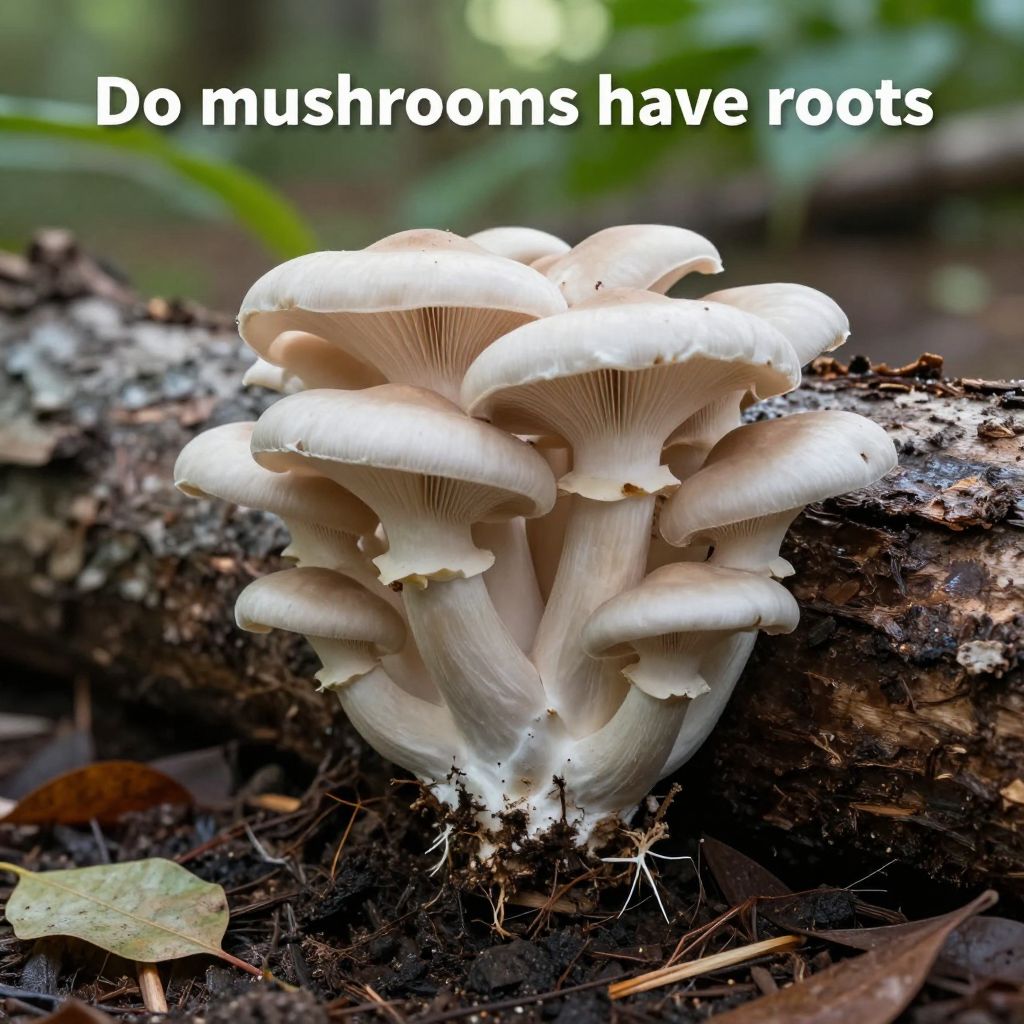
Do mushrooms have roots? If you’ve found a mushroom in the garden, on mulch, or in a houseplant pot, it’s natural to wonder what’s anchoring it and whether it’s connected to your plants. The short answer is no: mushrooms do not have true roots. What you see above ground is only the fruiting body of a much larger fungus living in soil, wood, or other organic matter.
That matters for gardeners because mushrooms are usually a sign of active decomposition, moist conditions, and hidden fungal growth. In many cases they are harmless or even helpful, but a few situations call for better drainage, less watering, or removal of decaying material.
Do mushrooms have roots?
No, mushrooms do not have roots. They grow from a network of threadlike structures called mycelium, which spreads through soil, mulch, wood, or compost and absorbs nutrients. The mushroom itself is the reproductive structure that releases spores, much like a flower releases seeds.
What a mushroom really is
Mycelium vs. roots
Plant roots take in water and minerals for a living plant. Fungal mycelium does something different: it breaks down organic matter and absorbs the released nutrients. In garden soil, the mycelium may be invisible, even when mushrooms appear overnight.
That’s why pulling a mushroom does not remove the fungus completely. The underground mycelium can remain active as long as it has moisture and food.
Why mushrooms appear in gardens
Mushrooms often show up when conditions are favorable for fungal growth:
- Moist soil or mulch
- Decaying wood, roots, or buried organic debris
- Warm temperatures after rain or irrigation
- Shaded areas with slow drying
- Rich compost or heavily mulched beds
In other words, mushrooms are usually a symptom of the environment, not the cause of a plant problem.
Are mushrooms bad for plants?
Usually, no. Many mushrooms are saprophytic, meaning they feed on dead organic matter rather than living plant tissue. In a healthy garden, they can be part of the natural breakdown process that improves soil structure over time.
Some mushrooms are simply unsightly, especially in lawns or containers, but they are not automatically harmful. The bigger concern is whether the same damp, poorly aerated conditions that support mushrooms are also stressing your plants.
When mushrooms may signal a problem
Watch for mushrooms if you also notice any of these:
- Soil staying wet for long periods
- Yellowing leaves from overwatering
- Soft, rotting stems near the soil line
- Wood mulch breaking down into soggy material
- Tree decline, dieback, or mushrooms growing from trunks or roots
If mushrooms are growing from a tree base, stump, or woody shrub, the fungus may be decomposing dead wood. That is not always dangerous, but it can indicate internal decay if the plant is already weak.
How to tell mushrooms from plant roots
Simple visual clues
If you are trying to identify what you found in the soil, these differences help:
- Roots are usually firm, branching structures attached to a plant.
- Mycelium looks like white, gray, or tan threads or fuzz in soil or mulch.
- Mushrooms have caps, stems, and gills or pores.
- Root hairs are tiny and attached to roots; they do not form caps or stems.
If you see white threadlike growth in potting mix, that is often fungal mycelium, not plant roots. In many cases it is harmless, especially in organic-rich media.
How to manage mushrooms in the garden
1. Improve drainage
Because mushrooms love moisture, drainage is the first thing to check. If water sits in beds, lawns, or containers, fungi will keep returning.
- Loosen compacted soil carefully without damaging roots.
- Mix in compost to improve structure, but avoid creating a soggy, overly rich layer.
- Raise beds if your site stays wet.
- Use pots with drainage holes and empty saucers after watering.
For containers, ensure the potting mix drains freely. Heavy garden soil in a pot often stays too wet and encourages fungi.
2. Adjust watering habits
Overwatering is one of the most common reasons mushrooms appear in pots and beds. Water only when the top layer of soil begins to dry, and water deeply enough that roots can use the moisture below.
Try to water early in the day so the surface has time to dry. Avoid frequent shallow watering, which keeps the upper soil layer damp and favorable for mushrooms.
3. Remove food sources
Mushrooms feed on organic debris, so reduce the material they can break down:
- Remove buried wood scraps, old roots, and stumps where possible.
- Rake up fallen leaves if they mat and stay wet.
- Replace soggy, decomposing mulch with fresh material only if needed.
- Avoid piling mulch too deeply against stems or trunks.
Do not strip all organic matter from the garden. Healthy soil still needs mulch and compost; the goal is to prevent excess wet decay, not sterilize the bed.
4. Improve airflow and light
Shaded, stagnant spots dry slowly. If mushrooms keep appearing in the same place, thin dense groundcover, prune overgrown shrubs lightly, or reposition containers so air can move around them.
More light and airflow can help the surface dry faster, which makes the area less inviting for fruiting mushrooms.
Mushrooms in lawns, mulch, and containers
In lawns
Small mushrooms in turf often appear after rain or irrigation, especially where thatch is thick or buried wood is present. They are usually temporary.
To reduce them, aerate compacted turf, water less often but more deeply, and remove buried organic debris where practical. If the lawn is healthy, mushrooms often disappear as conditions dry.
In mulch beds
Mulch is an ideal habitat for fungi because it is organic and holds moisture. Many mushrooms in mulch are harmless decomposers.
If you dislike the look, you can rake the fruiting bodies away and turn the mulch lightly to speed drying. If the mulch is breaking down into a soggy layer, replace it with a thinner, fresher application.
In houseplant pots
Mushrooms in indoor pots usually mean the mix is staying too wet or contains a lot of organic material. They are often harmless to the plant, but they can be a sign that the potting mix needs attention.
Let the top few centimeters or inches of mix dry before watering again, depending on the plant. If mushrooms keep returning, repot into fresh, well-draining mix and inspect the roots for rot.
Should you remove mushrooms?
You can remove visible mushrooms if you want to keep the area tidy, but removing them does not eliminate the fungus underground. A quick hand-pull or cut at the base is usually enough for appearance.
Wear gloves if you are unsure of the species. Some wild mushrooms are toxic if eaten, and children or pets may be tempted to touch or taste them.
Safe cleanup tips
- Pick mushrooms before they release lots of spores if appearance matters.
- Dispose of them in the trash or compost only if your compost system gets hot enough to break them down.
- Wash hands after handling.
- Keep pets and children away from unknown mushrooms.
If mushrooms appear repeatedly in the same spot, focus on moisture control and decaying material rather than repeated removal.
When to be concerned about fungi in the garden
Most mushrooms are not a plant emergency, but some situations deserve closer attention. Be cautious if you notice mushrooms alongside declining shrubs, soft wood, or a tree that leans, cracks, or loses vigor.
Also pay attention if mushrooms are growing from the base of a tree, a buried stump, or a wooden structure. In those cases, the fungus may be decomposing structural wood rather than just surface mulch.
Call for help if you see
- Repeated mushroom flushes from a tree trunk or root flare
- Soft, crumbly, or hollow wood
- Sudden decline in a mature tree or shrub
- Large mushrooms emerging from buried wood near foundations or paths
A certified arborist or local extension service can help you judge whether the fungus is mostly cosmetic or a sign of deeper decay.
Common mistakes to avoid
Gardeners often make the same few mistakes when mushrooms appear. Avoid these to keep the problem manageable:
- Overwatering just because the surface looks dry.
- Removing all mulch and leaving soil exposed, which can harm plant roots and soil life.
- Assuming mushrooms attack healthy plants in every case.
- Ignoring drainage issues in pots and low spots.
- Eating wild mushrooms unless they have been identified by an expert.
Final takeaway
Do mushrooms have roots? No, but they do have mycelium, the hidden fungal network that produces the mushrooms you see. For gardeners, the key is not to panic: check moisture, drainage, and decaying organic matter, then adjust conditions if needed. If you want to dig deeper into healthy soil and moisture management, you may also find related guidance on improving garden drainage and choosing the right mulch for your beds.