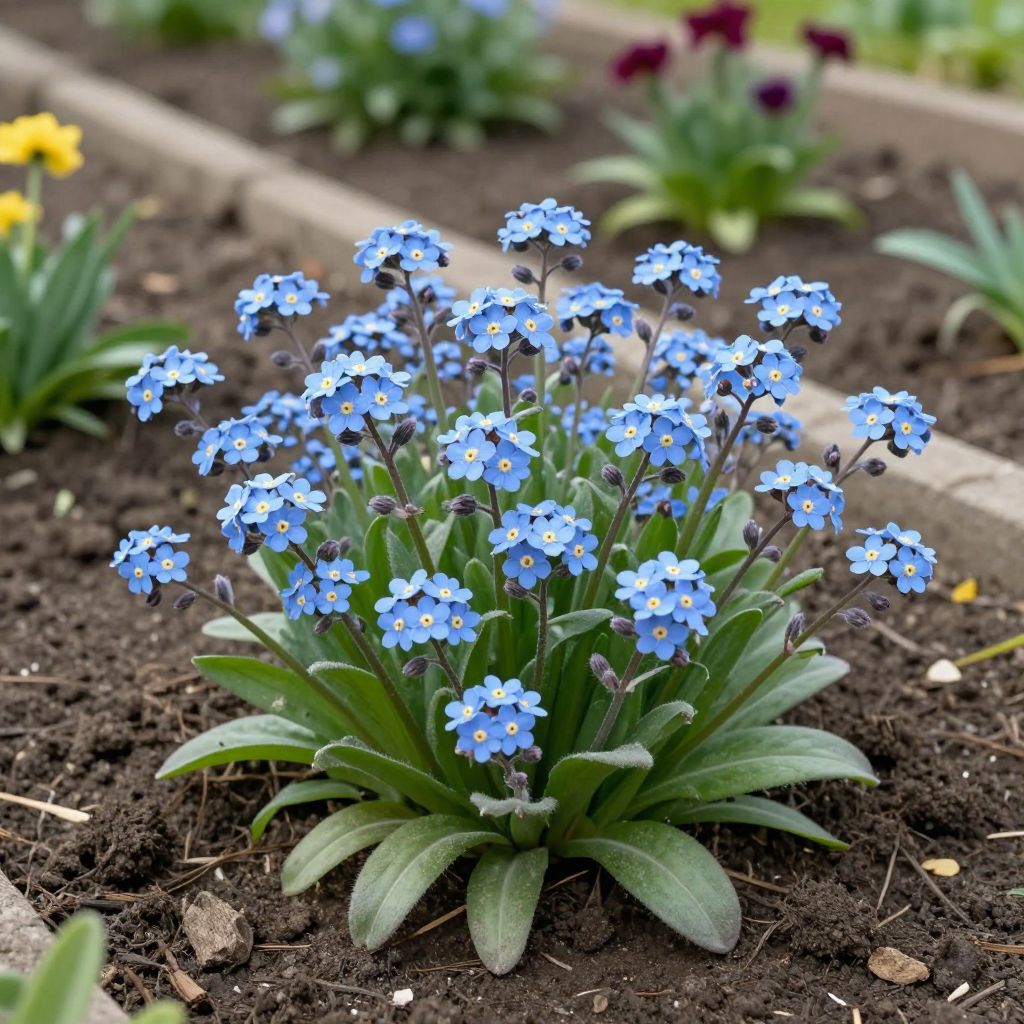
Are forget me nots perennials? In many gardens, the answer is yes—but it depends on the species and your climate. Some forget-me-nots behave as short-lived perennials, while others are biennials or self-seeding annuals that return because they reseed freely.
If you want reliable blue flowers in spring, it helps to know which type you have and how to grow it well. With the right moisture, soil, and light, forget-me-nots can become easy, low-fuss garden plants that come back year after year.
Are forget me nots perennials?
Some forget-me-nots are perennials, but not all are long-lived perennials in every garden. The most common garden forget-me-not, Myosotis sylvatica, is usually a short-lived perennial or biennial that often returns by self-seeding. In mild climates it may persist for several years; in hotter or drier conditions it often behaves more like a cool-season biennial.
What kind of forget-me-not do you have?
Knowing the species matters because “forget-me-not” is a common name used for several plants. Their growth habits are similar, but their life cycles can differ.
Common garden types
- Myosotis sylvatica – the classic woodland or garden forget-me-not; often grown as a biennial or short-lived perennial.
- Myosotis scorpioides – water forget-me-not; a perennial that prefers consistently moist soil and is often used near ponds or streams.
- Other Myosotis species – some are annuals, some biennials, and some perennial, depending on species and climate.
If you bought plants from a nursery, check the label for the botanical name. If you grew them from seed, observe whether they flower in their first year or the next, and whether they return from the same crown or from seedlings.
How long do forget me nots live?
Most garden forget-me-nots are not permanent border plants. Even perennial types are often short-lived, but they usually keep the planting going by producing seed. That means you may see fresh plants each year even when the original clump fades.
In practice, forget-me-nots tend to do best when you treat them as cool-season plants that self-renew. If you let some flowers set seed, they often reappear in the same area with little effort.
Best growing conditions for healthy plants
Forget-me-nots are happiest in cool, lightly shaded to partially sunny spots with evenly moist soil. They are woodland-edge plants at heart, so they dislike baking heat and dry, compacted ground.
Light
- Best: partial shade or morning sun with afternoon shade.
- In cooler climates: they can tolerate more sun if the soil stays moist.
- In warmer climates: more shade helps prevent early decline.
Soil
- Use soil that is rich in organic matter and drains well.
- Work in compost before planting if the soil is thin, sandy, or tired.
- A slightly moist, humus-rich soil suits them best.
Water
Keep the soil evenly moist, especially while plants are establishing and during dry spells. Avoid letting the soil dry out completely, but do not leave roots sitting in soggy ground unless you are growing a moisture-loving species such as Myosotis scorpioides.
Temperature and season
Forget-me-nots are cool-weather plants. They usually flower in spring and may decline as summer heat arrives. In mild regions, they can last longer; in hot summers, they often finish after flowering and reseed for the next season.
How to plant forget me nots
You can grow forget-me-nots from seed, nursery transplants, or divisions from established clumps. Seed is the most common and economical route, especially if you want a naturalized patch.
- Choose a site with cool light and moist, well-drained soil.
- Loosen the soil and mix in compost if needed.
- Sow seed thinly on the surface or barely cover it, since many forget-me-not seeds need light to germinate well.
- Keep the area evenly moist until seedlings emerge.
- Thin crowded seedlings so air can move between plants.
If you are planting nursery starts, set them at the same depth they were growing in the pot and water them in well. Space them so mature plants have room to spread and self-seed without becoming overcrowded.
Care tips for strong blooms and healthy growth
Forget-me-nots are usually easy to grow, but a few basic habits make a big difference. The goal is to keep them cool, moist, and not overly crowded.
Mulch helps
A thin layer of organic mulch can help conserve moisture and keep roots cooler. Keep mulch a little away from the crowns so the stems do not stay too wet.
Deadheading and seed control
If you want a neat display, remove spent flower clusters before they set seed. If you want them to return naturally, leave some flowers in place and let a portion go to seed.
Important: deadheading changes the plant’s future. Cutting off all faded blooms can reduce self-seeding, which is how many gardens keep forget-me-nots coming back.
Feeding
These plants usually do not need heavy fertilizing. In average garden soil, a yearly topdressing of compost is often enough. Too much nitrogen can encourage leafy growth at the expense of flowers.
Do forget me nots come back every year?
They can, but not always in the same way. A perennial species may return from the same root system, while a biennial or short-lived plant may disappear after flowering and reappear from seed the next season.
If you want a dependable patch each year, the safest approach is to combine both methods: keep a few established plants and allow some flowers to self-seed. That gives you a steady supply of replacements.
Common problems and how to fix them
Most issues with forget-me-nots come from too much heat, too little moisture, or poor air circulation. Catching these early helps the planting last longer.
Plants fade in summer
This is normal in many regions. Forget-me-nots are cool-season plants, so they often decline once temperatures rise. In hot climates, give them more shade and consistent moisture, or expect them to act as seasonal plants rather than long-term perennials.
Mildew or leaf spotting
Overcrowding and damp foliage can encourage fungal problems. Thin the plants, water at the base, and avoid wetting the leaves late in the day. Remove badly affected foliage to improve airflow.
Leggy growth
Too much shade can make plants stretch and flop. Move them to brighter light with some protection from strong afternoon sun, or trim surrounding plants that are crowding them out.
Pests
Aphids and slugs may bother young plants. Check new growth regularly, rinse aphids off with water, and use simple slug control methods if you see chewed leaves or slime trails.
How to keep forget me nots coming back
If your goal is a recurring spring display, think in terms of renewal, not permanence. The best results usually come from a mix of care and selective reseeding.
- Let some flowers mature into seed.
- Allow seedlings to establish where they fit the design.
- Thin excess seedlings in early growth stages.
- Refresh the soil with compost if the bed becomes tired.
- Remove old, declining plants after flowering if they become messy.
You can also start a few seeds indoors or in a sheltered outdoor tray if you want backup plants for gaps in the border. Just remember that cool conditions are usually better than hot ones for germination and early growth.
Where forget me nots work best in the garden
Forget-me-nots are especially useful in woodland gardens, cottage borders, shady edges, and around spring bulbs. They pair well with plants that appreciate similar conditions, such as ferns, hostas, and primroses.
They also work nicely as a temporary spring filler between slower-growing perennials. Just plan for their seasonal nature so they do not crowd out plants that need summer space.
Final answer: are forget me nots perennials?
Yes, some forget-me-nots are perennials, but many garden forms are short-lived and rely on self-seeding to return. If you give them cool conditions, moist soil, and partial shade, you can enjoy them year after year with very little fuss.
For related reading, you may also want to look into how to grow spring shade flowers and tips for improving garden soil with compost.