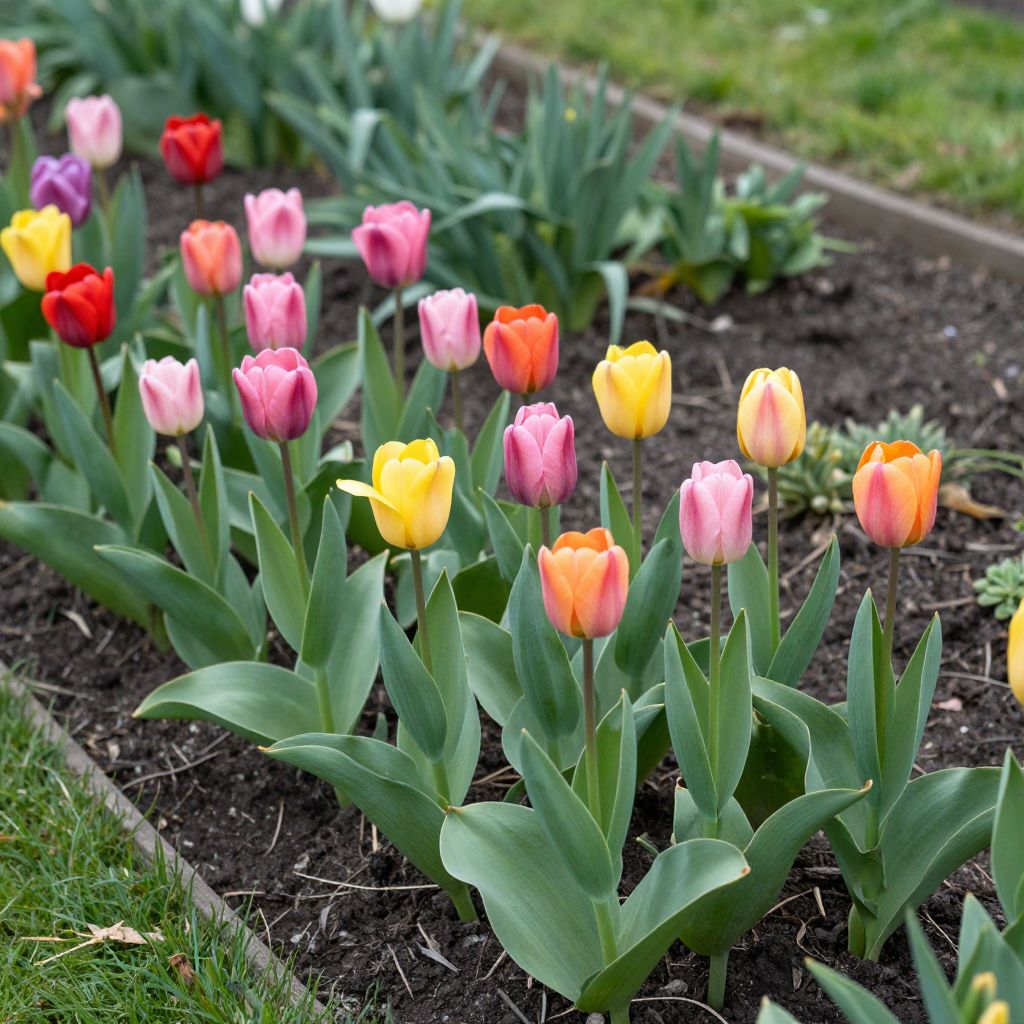
Wondering when are tulips in season? The short answer is that tulips are typically in bloom in spring, with timing varying by climate, variety, and winter chill. In many gardens, you’ll see them from early to late spring, and in mild or cool regions the display can shift by several weeks.
If you want the best flowers, it helps to think about tulips in two seasons: the time you plant the bulbs and the time they bloom. Getting both right is the key to strong stems, healthy leaves, and a reliable spring show.
When are tulips in season?
Tulips are in bloom in spring, usually from early spring through late spring depending on the variety and your local weather. In colder climates, flowering often starts later; in warmer areas, blooms may appear earlier or be shorter-lived. The bulbs are usually planted in fall, then they need winter cold before they flower.
What affects tulip bloom time?
Tulip timing is not fixed. Weather, bulb type, and garden conditions all influence when flowers open and how long they last.
Climate and winter chill
Tulips need a period of cold dormancy to bloom well. In places with natural winter cold, that usually happens outdoors. In warmer regions, gardeners often choose pre-chilled bulbs or treat tulips as a one-season display.
Variety matters
Different tulip groups bloom at different times. Early, midseason, and late-season tulips can extend the display for several weeks if you plant a mix.
- Early tulips open first, often as soon as conditions warm in spring.
- Midseason tulips provide the main spring show in many gardens.
- Late tulips bloom after the early types fade, helping stretch the season.
Sunlight and soil conditions
Tulips bloom best in full sun to light shade. Too much shade can reduce flowering and make stems weak. Soil that drains well is just as important, because bulbs sitting in wet ground are more likely to rot before they bloom.
When should you plant tulip bulbs?
Plant tulip bulbs in fall, before the ground freezes hard, so they can root before winter. In many regions that means planting when temperatures cool but soil is still workable. A good rule is to plant when nighttime temperatures are consistently cool and the garden is no longer summer-hot.
How deep and how far apart?
Plant bulbs about 2 to 3 times as deep as the bulb is tall, usually around 6 to 8 inches deep for many standard tulips. Space them roughly 4 to 6 inches apart for a full look, or a little farther apart if you want room for natural spreading.
- Choose a sunny site with well-drained soil.
- Loosen the soil and remove stones or debris.
- Mix in compost if the soil is poor, but avoid heavy manure right in the planting hole.
- Set bulbs pointy side up.
- Cover with soil and water once to settle the bulbs in.
How long do tulips bloom?
Most tulip flowers last about 1 to 2 weeks per stem, though cooler weather can extend the display and hot weather can shorten it. A planting with mixed bloom times may stay attractive for several weeks overall. Once temperatures rise, the flowers fade quickly, even if the plants are otherwise healthy.
How to extend the bloom period
- Plant early, midseason, and late tulips together.
- Choose a site with morning sun and some afternoon protection in warm climates.
- Keep the soil evenly moist while buds are forming, but not soggy.
- Deadhead spent flowers to prevent seed formation.
How to care for tulips during the growing season
Tulips are low-maintenance once established, but a few simple habits improve bloom quality. Focus on drainage, light, and letting the foliage finish its job after flowering.
Watering
Water newly planted bulbs once after planting. After that, tulips usually need little extra water in cool, wet spring weather. In dry spells, water deeply when the top few inches of soil dry out, especially while buds are forming and after flowering while leaves are still green.
Fertilizing
A light application of balanced bulb fertilizer or compost at planting time can help, but avoid overfeeding. Too much nitrogen may produce lots of leaves and fewer flowers. If your soil is already rich, compost may be enough.
Sun and spacing
Give tulips enough room for air circulation. Crowded plantings can trap moisture and encourage disease. Full sun usually produces the strongest stems and best bloom, especially in cooler regions.
What to do after tulips bloom
After flowering, remove the spent bloom but leave the leaves in place until they yellow naturally. The foliage feeds the bulb for next year’s growth. Cutting leaves too early is one of the most common reasons tulips return weakly or fail to bloom well the next spring.
Deadheading and leaf care
- Snip off faded flowers before they form seed pods.
- Leave the green leaves untouched until they turn yellow or brown.
- Water lightly if the soil dries out while foliage is still active.
- Do not tie leaves into knots; that reduces energy storage.
Should you dig up tulip bulbs?
In some gardens, tulips can stay in the ground and rebloom for a few years. In warm climates or heavy soils, many gardeners lift bulbs after the foliage dies back, store them dry, and replant in fall. If your tulips decline after the first year, your climate or soil may be the reason.
Common tulip problems and fixes
When tulips don’t bloom on time, the cause is usually environmental rather than mysterious. Check the planting depth, drainage, light, and winter conditions first.
No flowers, only leaves
This often happens when bulbs were planted too shallow, the foliage was removed too early, or the bulbs did not get enough winter chill. It can also happen if the bulbs were old or weak when planted.
Short, weak stems
Insufficient sunlight, crowded planting, or warm spring weather can lead to floppy stems. Move future plantings to a brighter spot and avoid rich, overly soft growth from excess nitrogen.
Bulbs rotting in the ground
Wet soil is a major problem for tulips. If the planting site stays soggy, improve drainage with raised beds, gritty soil amendments, or a new location altogether. Tulips prefer moisture at planting time, not standing water later.
Pests and diseases
Deer, rabbits, and rodents may nibble tulips, especially the foliage and buds. Fencing, repellents, or planting in less accessible areas can help. Fungal problems are more likely in damp, crowded beds, so keep spacing generous and remove diseased plant material promptly.
Can you force tulips indoors?
Yes, tulips can be forced indoors for an earlier bloom, but they still need a cold period first. This is useful if you want flowers before outdoor tulips open. The process is different from garden planting and works best with healthy bulbs and a cool storage space.
Basic indoor forcing steps
- Plant bulbs in a pot with drainage holes and a well-draining potting mix.
- Water lightly after planting.
- Chill the pot in a cold, dark place for the required cold period.
- Move it into bright light when shoots are well developed.
- Keep the soil lightly moist, not saturated.
Indoor forcing timing depends on bulb type and your storage conditions, so follow the bulb supplier’s guidance when available. If you are unsure, treat it as a cool-season project rather than a quick indoor houseplant.
Best practical tips for a dependable tulip season
If you want to know when are tulips in season in your own garden, the best answer is to match the bulbs to your climate and stagger the bloom times. That gives you a longer, more reliable display and fewer disappointments.
- Plant in fall, not spring, unless you are buying pre-chilled bulbs for forcing.
- Choose a sunny, well-drained site.
- Mix early, mid, and late varieties for a longer season.
- Leave foliage intact until it yellows naturally.
- Avoid overwatering and avoid heavy, poorly drained soil.
For more seasonal bulb advice, you may also find it helpful to read about spring bulb planting and how to care for flowering bulbs after bloom.