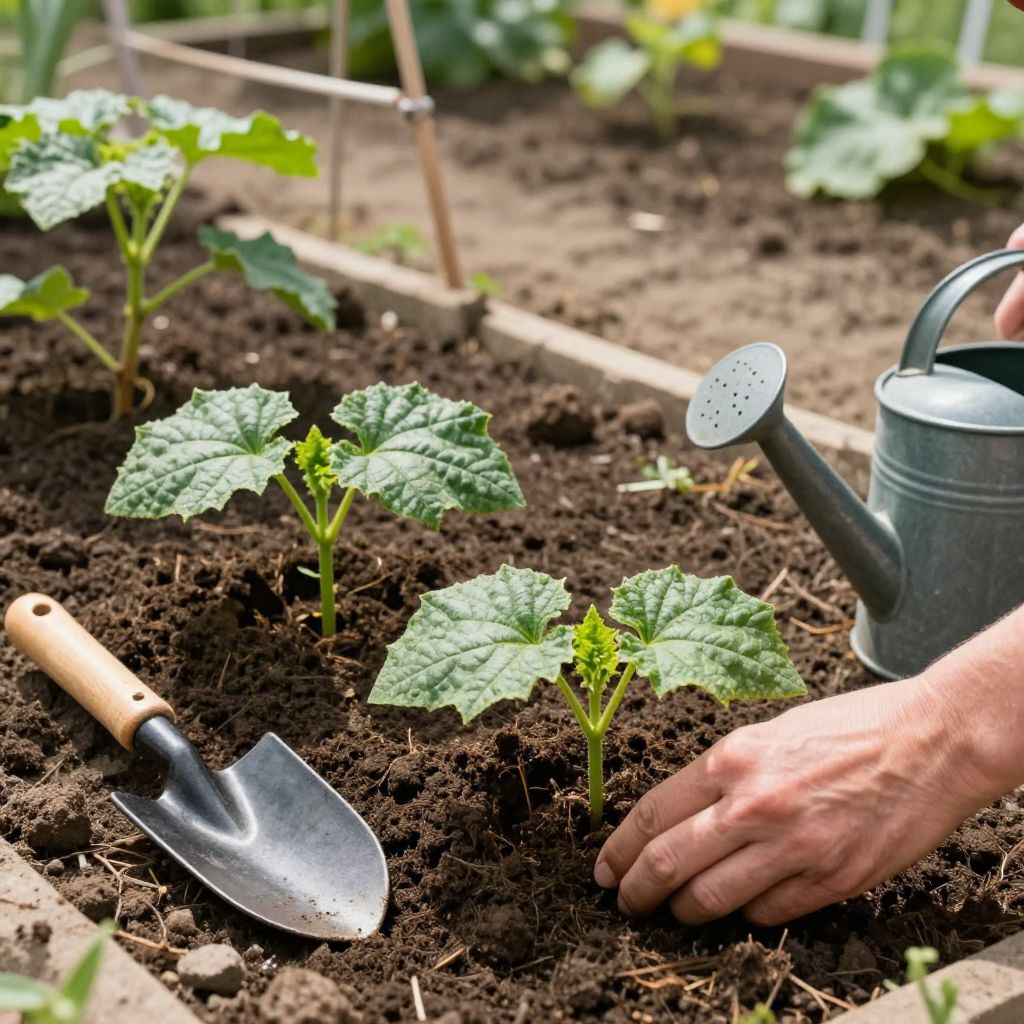
Wondering when to plant cucumbers so they grow fast, stay productive, and avoid cold damage? Timing matters more than many gardeners realize, because cucumbers are warm-season vegetables that resent chilly soil and frost. Plant too early and seeds may rot or seedlings stall; plant too late and summer heat or pests can reduce harvests.
The best planting time depends on your local climate, but cucumbers should go in only after frost danger has passed and the soil has warmed. With the right timing, full sun, and consistent moisture, you can get strong vines and a steady harvest.
When to plant cucumbers?
Plant cucumbers after the last expected frost, when nighttime temperatures stay above 50°F and soil is at least 65°F. In cool climates, that may mean late spring; in warm regions, you can sow from spring into midsummer for successive harvests. Start indoors 2 to 4 weeks early if your season is short.
Why planting time matters for cucumbers
Cucumbers are sensitive to cold. If the soil is too cool, seeds germinate slowly or rot, and young plants can become stressed before they ever start vining.
Warm soil helps cucumbers establish quickly, which usually means earlier flowering, better growth, and fewer problems with damping off and other seedling diseases.
What cucumbers need to grow well
- Full sun: at least 6 to 8 hours a day.
- Warm soil: ideally 65°F to 85°F.
- Even moisture: dry spells can make fruit bitter or misshapen.
- Good drainage: soggy soil encourages root problems.
- Room to spread: vines need space or vertical support.
How to time cucumber planting by season
Your local frost dates are the best guide. If you know your average last spring frost, count forward and wait until the weather is reliably warm before planting outside.
Outdoor sowing
Direct sow cucumber seeds outdoors once the danger of frost has passed and the soil has warmed. In many areas, that means late spring, but gardeners in warmer climates may plant earlier and again in midsummer for a second crop.
If you plant in cool soil, seeds may sit in place for a long time. That delay can lead to poor germination and uneven stands.
Starting seeds indoors
If your growing season is short, start cucumber seeds indoors in biodegradable pots or transplantable containers about 2 to 4 weeks before your last frost date. Cucumbers dislike root disturbance, so avoid keeping seedlings indoors too long.
Transplant them carefully after hardening off and only when nights are consistently mild.
Succession planting
For a longer harvest, sow a small batch every 2 to 3 weeks during the warm season, as long as you still have enough time before your first fall frost. This works especially well in regions with long summers.
How to prepare the soil before planting
Cucumbers grow best in loose, fertile soil that drains well. Before planting, work in compost to improve structure and moisture retention without making the soil heavy.
A slightly raised bed or mound can help in wetter gardens by improving drainage and warming the soil faster in spring.
Soil preparation checklist
- Choose a sunny site with good air circulation.
- Remove weeds and old plant debris.
- Mix in compost or well-rotted organic matter.
- Break up compacted soil so roots can spread easily.
- Water the area before planting if the soil is dry.
If your soil tends to stay wet, avoid planting in low spots. Cucumbers do not like “wet feet,” especially when temperatures are still cool.
How to plant cucumber seeds or seedlings
Whether you sow seeds directly or transplant seedlings, the goal is to avoid cold shock and give the plants a fast start.
Direct sowing steps
- Wait until soil temperature is warm enough.
- Plant seeds about 1 inch deep.
- Space seeds or hills according to the variety and support system you plan to use.
- Keep the soil evenly moist until germination.
- Thin seedlings if more than one sprouts in the same spot.
Transplanting seedlings
- Harden off seedlings for 7 to 10 days by gradually increasing outdoor exposure.
- Plant on a warm, calm day after frost risk has passed.
- Set seedlings at the same depth they were growing in their pots.
- Water well after planting to settle the soil around the roots.
- Protect young plants from cold nights if needed with row cover or cloches.
Do not rush cucumbers into cold soil. A week or two of patience often produces healthier plants than an early planting that struggles for a month.
Best growing conditions after planting
Once cucumbers are in the ground, steady growth depends on warmth, moisture, and support. Small problems early on can affect flowering and fruit set later.
Sunlight and spacing
Give cucumbers full sun and enough space for airflow. Crowded plants are more prone to mildew and other fungal diseases, especially in humid weather.
If space is limited, train vining cucumbers on a trellis. Vertical growing improves air movement, keeps fruit cleaner, and makes harvesting easier.
Watering
Keep the soil evenly moist, especially during flowering and fruiting. Inconsistent watering can lead to bitter fruit, poor fruit shape, or blossom-end issues related to stress.
Water at the base of the plant rather than overhead when possible. Wet leaves can encourage disease, particularly in warm, humid conditions.
Mulching
Once the soil has warmed, add a layer of organic mulch to help conserve moisture and suppress weeds. Keep mulch a little away from the stem to reduce rot problems.
Common mistakes to avoid when planting cucumbers
Many cucumber problems start at planting time. Avoiding a few common errors can make a big difference in harvest quality.
- Planting too early: cold soil slows germination and weakens young plants.
- Overcrowding: poor airflow increases disease pressure.
- Letting soil dry out: moisture swings can stress plants and affect fruit quality.
- Starting indoors too early: overgrown seedlings transplant poorly.
- Ignoring drainage: soggy soil can cause root decline.
Pests and diseases to watch for
Cucumbers can attract pests and develop disease quickly, especially in warm weather. Catching problems early is easier than fixing them later.
Common pests
- Striped or spotted cucumber beetles
- Aphids
- Spider mites in hot, dry conditions
Inspect leaves regularly, especially the undersides. If you spot pests early, hand-picking, strong water sprays, or insect netting can help reduce damage.
Common diseases
- Powdery mildew
- Downy mildew
- Damping off in seedlings
- Root rot in poorly drained soil
Good spacing, clean tools, crop rotation, and watering at the soil line all help reduce disease pressure. If your garden has a history of mildew, choose resistant varieties when available.
Can you plant cucumbers in summer?
Yes, in many climates you can plant cucumbers in early to mid-summer if there is still enough warm weather left before fall. This is especially useful after spring crops finish or if an early planting fails.
In very hot regions, though, extreme heat can reduce pollination and fruit quality. In that case, a slightly earlier planting or afternoon shade may help.
Harvesting at the right time
Picking cucumbers on time encourages more fruit. If left too long, they become seedy, oversized, and less flavorful, and the plant may slow production.
Harvest tips
- Check plants every day or two once fruit starts forming.
- Harvest when fruits are firm, evenly colored, and the right size for the variety.
- Use scissors or pruners to avoid tugging the vine.
- Remove overripe fruit promptly to keep the plant producing.
Quick planting timeline to follow
If you want a simple rule, use this: sow cucumbers outdoors after frost danger has passed, when soil is warm and nights are mild. If starting indoors, begin only a few weeks before transplanting.
- Cool climates: wait for late spring or early summer warmth.
- Moderate climates: plant after the last frost and consider a second sowing later in summer.
- Warm climates: plant when spring soil warms, then sow again if fall temperatures stay favorable.
For more practical vegetable-growing advice, you may also want to read about how to grow cucumbers and when to plant vegetables in your garden.