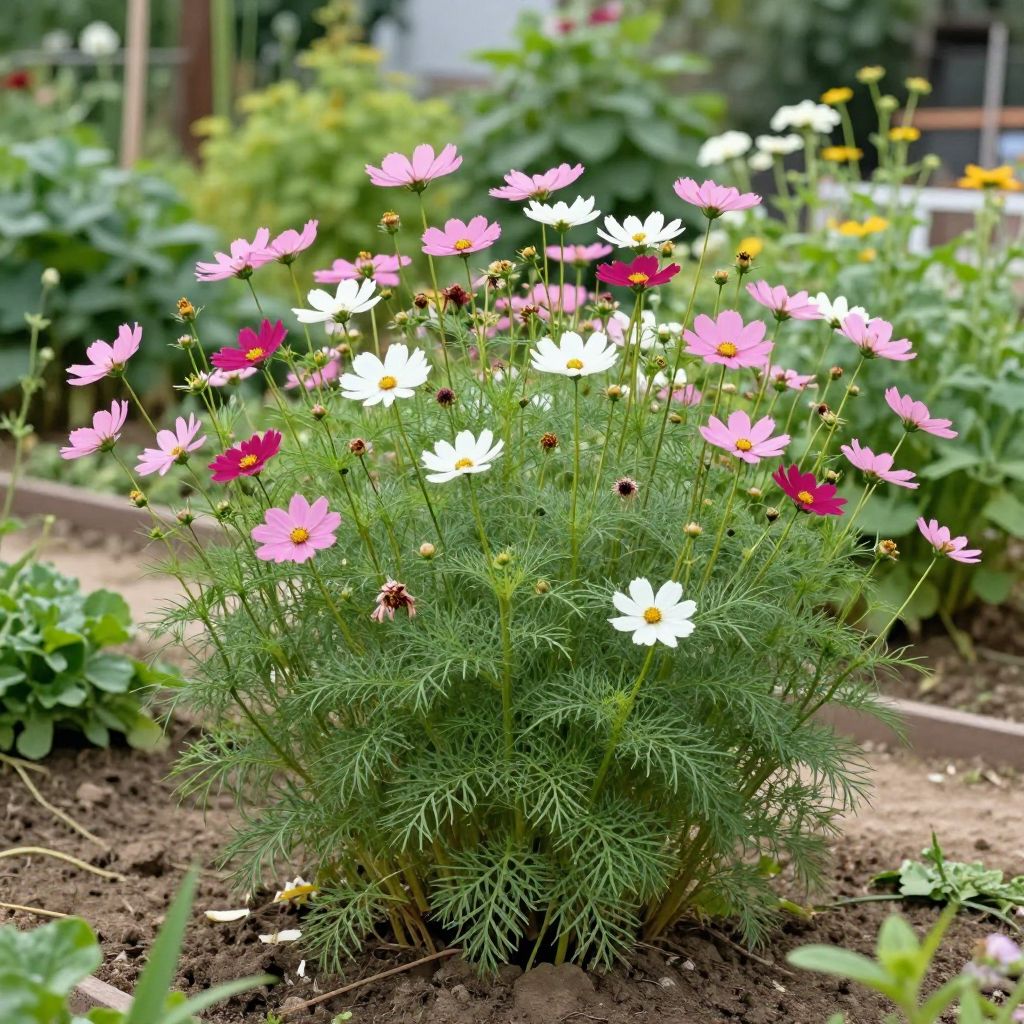
Are cosmos perennials? It’s a common question, especially if you’ve fallen in love with their airy flowers and want them back every year. The short answer depends on the species and your climate, because most garden cosmos are grown as annuals even though a few types can behave like short-lived perennials in frost-free areas.
If you want to know whether your cosmos will return, how to keep them blooming, and how to grow them well, the details below will help you plan with confidence.
Are cosmos perennials?
Most cosmos grown in home gardens are annuals, not true perennials. The popular Cosmos bipinnatus and Cosmos sulphureus usually complete their life cycle in one season, though they may self-seed freely. A few cosmos species can act as perennials in warm, frost-free climates, but they are not reliably hardy in cold winters.
Understanding the different types of cosmos
Common garden cosmos
The cosmos you see most often in seed packets and garden centers are usually Cosmos bipinnatus and Cosmos sulphureus. These are fast-growing, sun-loving plants valued for their long bloom time and easy care.
- Cosmos bipinnatus often has pink, white, or magenta daisy-like flowers.
- Cosmos sulphureus usually has yellow, orange, or gold blooms.
- Both are typically treated as annuals in temperate gardens.
Perennial or tender cosmos species
Some less common cosmos species may survive longer in mild climates, but many are still sensitive to frost. If you live where winters are cold, assume your cosmos will not overwinter outdoors unless you are growing a species specifically known for perennial behavior in your region.
In practice, gardeners often rely on self-seeding rather than true perennial regrowth. That means the plants may come back from dropped seed, not from the original root system.
How to tell if your cosmos will come back
If you’re wondering whether your plants will return next year, look at three things: the species, your winter temperatures, and whether the plants set seed before frost. In many gardens, cosmos vanish after cold weather but reappear from seed the following spring.
- Check the plant label for the botanical name.
- Consider your climate: frost usually ends the season for annual cosmos.
- Watch for seed heads if you want volunteer seedlings next year.
If you garden in a warm region with very mild winters, you may see cosmos persist longer, but even then performance can decline after the first year or two.
Best growing conditions for healthy cosmos
Cosmos are easygoing, but they bloom best when you give them the right basics. They prefer full sun, lean-to-average soil, and good drainage. Rich soil can produce lush foliage with fewer flowers, so don’t overdo compost or fertilizer.
Sunlight
Give cosmos at least 6 hours of direct sun each day. In cooler climates, more sun helps them flower earlier and more heavily. In very hot climates, they still need full sun, though a little afternoon relief can help if the site is extremely dry and exposed.
Soil
Cosmos grow well in average garden soil as long as it drains freely. They do not like heavy, waterlogged ground. If your soil is clay-based, loosen it with organic matter and avoid planting in low spots where water collects.
Use compost sparingly. A modest amount mixed into poor soil is helpful, but overly fertile soil can make the plants tall, floppy, and less floriferous.
Water
Young plants need regular moisture until established. After that, cosmos are fairly drought-tolerant and prefer watering only when the soil begins to dry. Overwatering is a common mistake and can lead to weak growth or root problems.
- Water deeply when the top inch or two of soil feels dry.
- Avoid frequent shallow watering, which encourages weak roots.
- Use mulch lightly to conserve moisture in hot, dry weather.
How to plant cosmos for the best results
Cosmos are usually grown from seed because they germinate quickly and transplant easily when handled gently. You can direct sow them outdoors after frost danger has passed, or start them indoors if your growing season is short.
Direct sowing outdoors
- Choose a sunny site with well-drained soil.
- Rake the surface smooth and remove weeds.
- Sow seeds lightly and cover them with a thin layer of soil.
- Keep the area evenly moist until seedlings emerge.
- Thin seedlings so they have room to grow.
Space plants according to the variety’s mature size. Good air circulation helps reduce disease and keeps stems sturdier.
Starting seeds indoors
If you start cosmos indoors, use small pots or trays and sow seeds shallowly. Transplant them carefully after the weather warms and the seedlings are sturdy enough to handle outdoor conditions.
Because cosmos can grow quickly, avoid keeping seedlings crowded or rootbound for too long. Leggy indoor starts often struggle once planted outside.
Do cosmos need pruning or deadheading?
Yes, and both can keep them flowering longer. Cosmos bloom best when you remove spent flowers, and many types respond well to light trimming if they get too tall or floppy.
Deadheading
Deadheading means removing faded blooms before they form seed. This often encourages more flowers and keeps the plant looking tidy. If you want self-seeding, leave some flowers to mature at the end of the season.
Cutting back leggy plants
If cosmos become stretched or top-heavy, trim them by about one-third. This can encourage branching and a fuller shape. Use clean pruners or snips to make neat cuts just above a leaf node.
- Remove broken or weak stems.
- Stake tall varieties if wind or rain causes flopping.
- Pinch young plants early if you want bushier growth.
Common problems with cosmos and how to fix them
Floppy stems
Flopping often happens in rich soil, too much shade, or windy sites. Move plants to a sunnier spot next season, reduce fertilizer, and stake tall types when needed.
Few flowers
If cosmos make lots of leaves but few blooms, the most likely causes are too much nitrogen, too little sun, or overcrowding. Thin the plants, stop feeding heavily, and make sure they get full sun.
Powdery mildew
In humid weather, cosmos can develop powdery mildew, which looks like a white coating on leaves. Improve spacing, water at the base rather than overhead, and remove badly affected foliage if needed.
Aphids and other pests
Aphids may cluster on new growth or buds. A strong spray of water can knock them off, and beneficial insects often help keep them in check. Check plants regularly so small infestations don’t build up.
Can you overwinter cosmos?
In most climates, no. Cosmos are usually killed by frost, so they do not overwinter outdoors like true perennials. If you want them every year, the easiest approach is to save seed or allow some plants to self-sow.
In frost-free or very mild areas, some plants may persist longer, but they are still often short-lived and less vigorous after the first season. For most gardeners, treating cosmos as annuals is the most realistic plan.
How to save cosmos seed
Saving seed is a simple way to keep your favorite cosmos going from year to year. Let a few blooms mature fully on the plant until the flower heads dry and the seeds darken.
- Choose healthy, true-to-type plants.
- Leave several flower heads to dry on the stem.
- Cut the heads when they are dry and brittle.
- Remove the seeds and store them in a cool, dry place.
- Label the packet with the plant name and year.
Seed saved from open-pollinated cosmos may not always look exactly like the parent plant, but it often grows well and blooms generously.
Using cosmos in the garden
Cosmos are useful in borders, cottage gardens, wildlife plantings, and cutting gardens. Their open habit works well among other sun-loving annuals and perennials, especially where you want a light, airy look rather than dense foliage.
- Plant them behind shorter flowers so they don’t shade smaller neighbors.
- Use them in drifts for a natural, relaxed effect.
- Choose dwarf types for containers or small spaces.
They also attract pollinators, so leaving a few blooms to set seed can support beneficial insects later in the season.
Conclusion: what to expect from cosmos
So, are cosmos perennials? Usually not. Most garden cosmos are annuals, but they often return by self-seeding if conditions are right. Give them full sun, well-drained soil, moderate water, and a little deadheading, and you’ll get a long, colorful display from a plant that’s easy to enjoy year after year through reseeding.
If you want to keep learning about easy flowering plants, you may also enjoy reading more about growing annual flowers from seed and how to deadhead flowers for longer bloom.