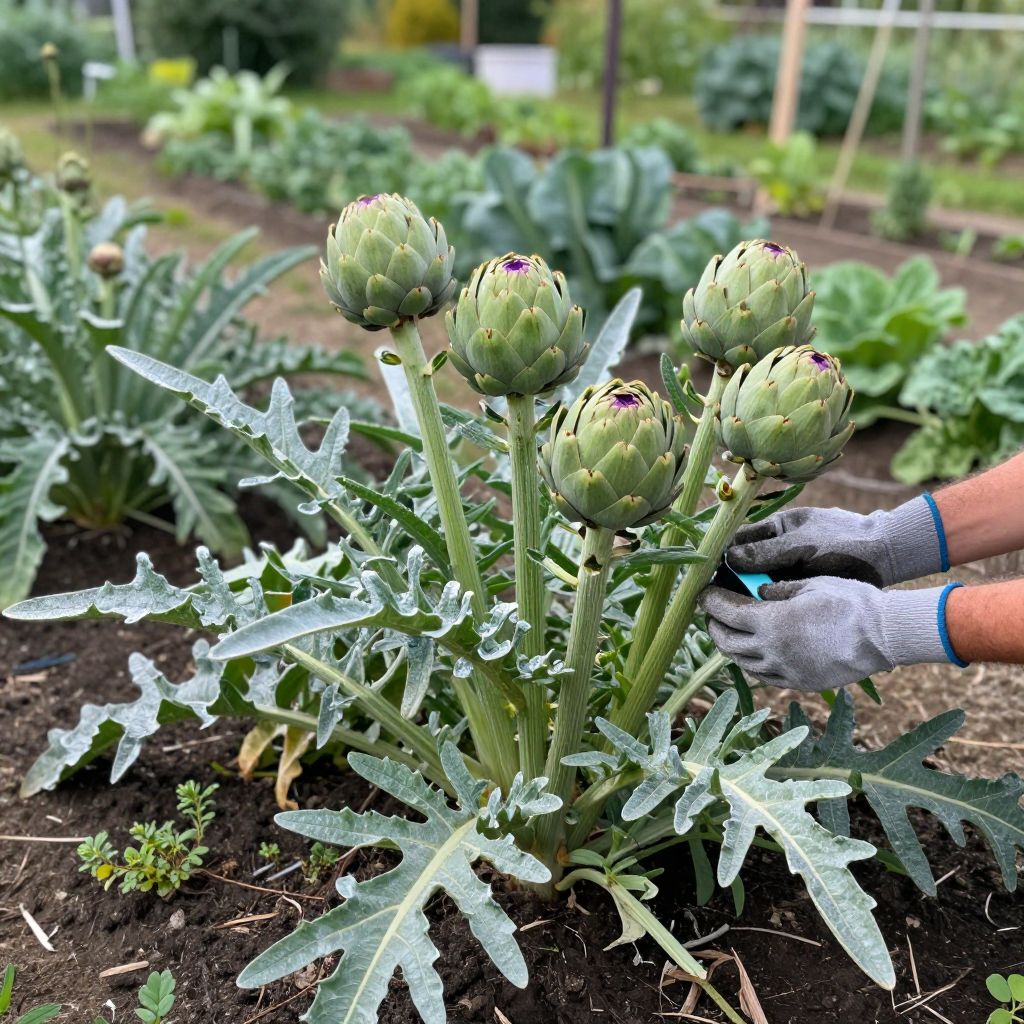
When are artichokes in season? If you grow globe artichokes, the answer depends on your climate, your plant’s age, and whether you’re harvesting the main spring crop or a smaller fall crop. In many gardens, the best harvest window is late spring into early summer, though mild coastal areas can see a longer season.
Knowing the season helps you time planting, protect buds from heat or frost, and pick heads at the right stage. A well-timed harvest gives you tender, tightly closed buds; a late one gives you tough, fibrous artichokes that are past their best.
When are artichokes in season?
Artichokes are usually in season from spring through early summer, with the strongest harvest often in March to June in mild climates. In cooler regions, harvest may begin later in spring. Some plants also produce a smaller second crop in fall if summer heat is moderate and the plant stays healthy.
How artichoke season varies by climate
Artichokes are perennial in mild-winter regions and often grown as annuals or short-lived perennials elsewhere. That means the season is not the same everywhere.
Mild coastal and Mediterranean-like climates
In areas with cool, moist winters and moderate springs, artichokes often form buds in late winter to spring. Harvest can continue for several weeks, and some plants may produce a second flush in autumn.
Cooler inland or northern gardens
Where winters are colder, plants may need more time to establish before they bloom. Buds often appear later, and the season may be shorter because summer heat or early frost can end production.
Warm climates with hot summers
Artichokes dislike prolonged heat. In hot regions, the main season is often earlier in the year, and buds can become coarse if temperatures climb too fast. Shade from intense afternoon sun can help extend quality harvests.
What to look for when artichokes are ready to harvest
Pick artichokes when the buds are full-sized, firm, and still tightly closed. The bracts should be compact and overlap neatly. If the bud begins to open or looks loose and fuzzy, it is past prime eating stage.
- Cut buds when they feel heavy for their size.
- Harvest before the bracts start spreading outward.
- Use a sharp knife or pruners and leave a short stem attached.
- Check plants every 2 to 3 days during peak season, since buds can size up quickly.
Why timing matters
Artichoke buds are harvested before the flower develops. If you wait too long, the edible base becomes tougher and the choke develops more fully. For the best texture, harvest promptly rather than waiting for maximum size alone.
Growing conditions that affect artichoke season
Seasonal timing is closely tied to plant health. Strong plants produce earlier and more reliable buds, while stressed plants may delay flowering or skip a season.
Sunlight
Artichokes grow best in full sun, which usually means at least 6 hours of direct light daily. In very hot climates, a little afternoon shade can reduce stress and help maintain bud quality.
Soil
Use fertile, well-drained soil rich in organic matter. Artichokes dislike soggy ground, which can weaken roots and reduce bud set. A soil pH that is slightly acidic to neutral is generally suitable for healthy growth.
Water
Consistent moisture supports steady bud development. Irregular watering can lead to smaller or tougher buds. Water deeply when the top layer of soil begins to dry, but avoid leaving roots in standing water.
Compost and feeding
Before planting, work compost into the bed to improve soil structure and nutrient retention. During the growing season, too much nitrogen can encourage leafy growth at the expense of buds, so aim for balanced fertility rather than pushing soft, lush foliage.
When to plant artichokes so they reach season on time
Planting time depends on whether you are starting from seed, crowns, or divisions, and on your local frost pattern. The goal is to establish strong roots before the main bud-forming period.
- Start seeds indoors early if your season is short, then harden off seedlings before transplanting.
- Set out young plants after the danger of hard frost has passed in colder climates.
- In mild areas, plant crowns or divisions when soil is workable and not waterlogged.
- Give each plant enough space for its large size and spreading leaves.
Because artichokes are long-season crops, late planting often means a delayed or reduced harvest. If you miss the ideal window, expect the first season to be more about plant establishment than heavy picking.
How to extend the artichoke season
You can often lengthen harvest by reducing plant stress and protecting buds from extreme weather. The most useful techniques are simple and practical.
- Mulch to help keep soil evenly moist and cool.
- Water deeply during dry spells, especially while buds are forming.
- Remove spent buds promptly so the plant can direct energy to side shoots.
- In hot weather, provide afternoon shade if plants are wilting or buds are opening too fast.
- In colder areas, protect crowns with mulch after cutting back plants for winter.
Second flushes and side buds
Some artichoke plants produce a main central bud followed by smaller side buds. These are often later in the season and can be useful if the plant stays vigorous. Keep harvesting regularly to encourage the plant to keep producing.
Common problems that shorten the season
If your artichokes finish early or never size up properly, a few common issues are usually involved.
Heat stress
High temperatures can cause buds to open too quickly or become coarse. This is one of the main reasons artichoke season is shorter in warm inland gardens than in cooler coastal ones.
Frost damage
Late frost can injure young growth or developing buds. If a cold snap is expected, cover plants with frost cloth or another breathable protective covering overnight.
Poor drainage
Waterlogged soil weakens roots and can reduce bud production. If your soil stays wet after rain, consider raised beds or improved drainage before replanting.
Pests and diseases
Aphids, slugs, and snails may damage tender growth, while fungal problems are more likely in damp, crowded conditions. Good spacing, clean garden hygiene, and prompt removal of badly affected leaves help keep plants productive.
How to harvest artichokes correctly
Harvesting at the right time is the key to enjoying the season at its best. Use clean, sharp pruners or a knife and cut the stem several inches below the bud.
- Harvest in the morning if possible, when buds are crisp and cool.
- Choose buds that are still tight and firm.
- Leave smaller side buds to size up if they are not ready yet.
- Handle buds gently to avoid bruising the bracts.
If you wait too long, the bracts will loosen and the center will become more fibrous. Once that happens, the plant’s energy is better spent on new growth or future buds.
Should you let one artichoke flower?
Most gardeners harvest artichokes before flowering, but if you want to save seed or enjoy the ornamental bloom, you can leave one bud to open. Just know that doing so usually reduces the plant’s edible yield, since the bud will no longer be tender enough to harvest.
Perennial care after the season
After the main harvest, keep the plant healthy so it can return strongly next year in suitable climates. Cut back spent stems, remove damaged foliage, and maintain even moisture until growth slows.
In colder regions, mulch crowns well before winter. In mild climates, plants may stay evergreen or semi-evergreen, but they still benefit from tidying and soil improvement after harvest.
Quick seasonal checklist for artichokes
- Watch for bud formation in spring.
- Harvest when buds are large, tight, and firm.
- Check plants frequently during peak season.
- Keep soil evenly moist but never soggy.
- Protect plants from heat, frost, and pests.
- Feed the soil with compost rather than overfeeding nitrogen.
Conclusion
When are artichokes in season? In most gardens, the answer is spring to early summer, with timing shaped by climate and plant health. If you want the best harvest, focus on strong growth, steady moisture, and picking buds before they open. Check your plants often, and harvest promptly when the buds are firm and compact.
For more practical growing help, you may also want to read about how to grow artichokes and seasonal vegetable garden care.