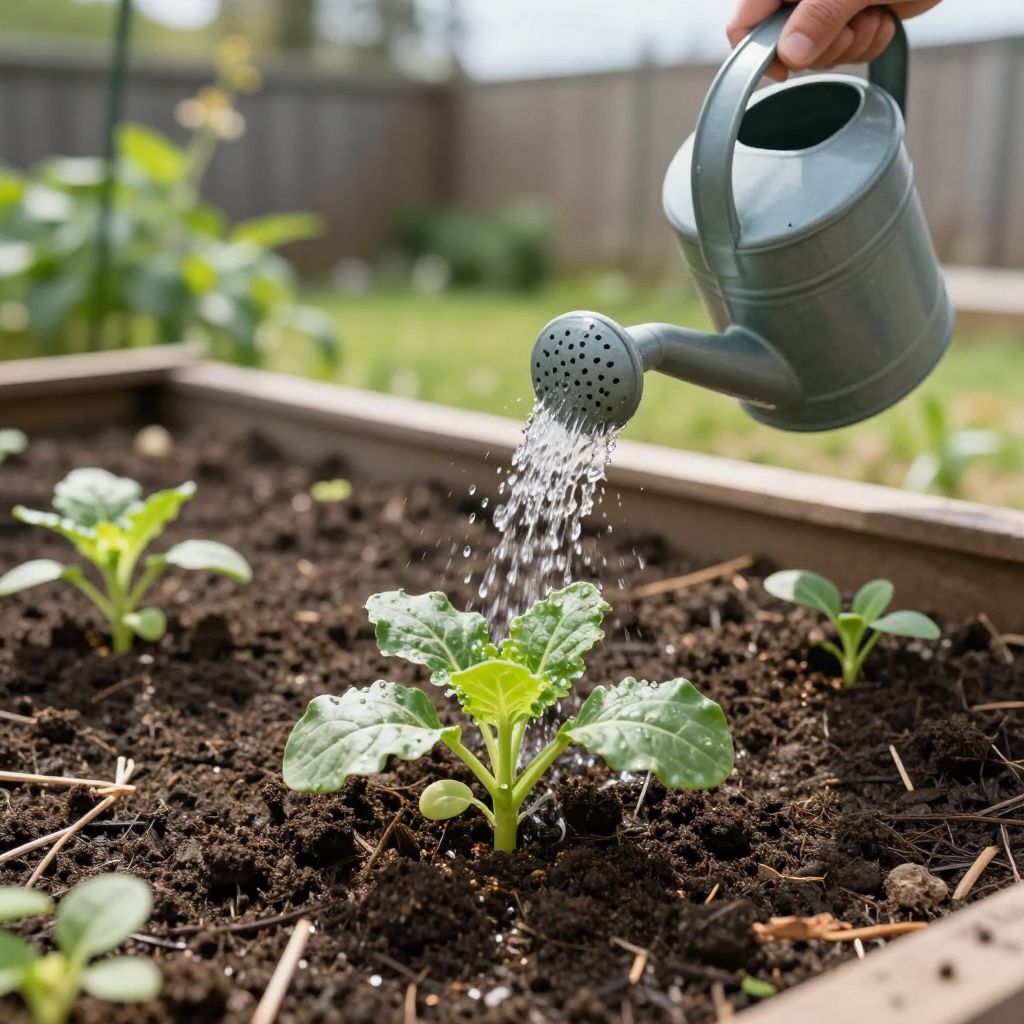
What do plants need to survive? If your plant is fading, stalling, or dropping leaves, the answer is usually one or more missing basics: light, water, air, nutrients, and the right growing medium. Once you understand those needs, it becomes much easier to diagnose problems and keep plants healthy.
This guide explains the core conditions plants need to live and grow, plus how to adjust care for indoor pots, garden beds, and landscape plants. You’ll also learn the most common mistakes to avoid so you can give your plants a better chance of thriving.
What do plants need to survive?
Plants need light, water, air, suitable temperatures, and access to nutrients from soil or another growing medium. They also need enough root space, good drainage, and protection from extremes such as drought, frost, pests, and disease. If one of these basics is off, growth slows and the plant becomes stressed.
The five essentials every plant needs
1. Light
Light powers photosynthesis, the process plants use to make food. Without enough light, plants become weak, pale, and stretched.
- Full sun usually means 6 or more hours of direct sun daily.
- Partial sun or partial shade means about 3 to 6 hours of sun, often with afternoon shade in hot climates.
- Low light is indirect light or filtered shade, which suits only certain houseplants and shade-tolerant garden plants.
For indoor plants, place them as close to a bright window as practical without scorching the leaves. For outdoor plants, match the plant to the site instead of trying to force a sun-lover into shade or a shade plant into blazing afternoon light.
2. Water
Water carries nutrients through the plant and keeps cells firm. Too little water causes wilting and dry, crispy foliage; too much can suffocate roots and invite rot.
The best approach is to water based on soil moisture, not the calendar. Check the soil with your finger or a moisture meter:
- Water when the top 1 to 2 inches of soil feels dry for many potted plants.
- For garden beds, water deeply when the root zone begins to dry, especially during hot or windy weather.
- Water slowly so it soaks in rather than running off the surface.
Consistency matters more than frequency. A plant that dries out completely and then gets flooded is often more stressed than one kept evenly moist.
3. Air and oxygen at the roots
Plants need carbon dioxide in the air for photosynthesis, and their roots need oxygen to function properly. That’s why compacted, soggy soil causes trouble even when water is present.
Good drainage and a loose soil structure help roots breathe. In containers, use pots with drainage holes. In beds, avoid repeatedly walking on the same soil, and mix in organic matter to improve structure over time.
4. Nutrients
Plants need nutrients such as nitrogen, phosphorus, potassium, and trace minerals to grow leaves, roots, flowers, and fruit. Soil naturally supplies some of these, but containers and poor soils may need help.
Compost is one of the safest, most useful ways to improve fertility. It feeds soil life, improves texture, and helps soil hold moisture without becoming waterlogged.
- Use compost as a topdressing in garden beds.
- Mix compost into planting holes only when appropriate for the plant and soil type.
- For containers, use a quality potting mix rather than garden soil, which is usually too dense.
Be careful not to overfertilize. Too much fertilizer can burn roots, force weak leafy growth, or reduce flowering in some plants.
5. The right temperature and climate
Every plant has a temperature range it prefers. Some thrive in cool weather, while others need heat and long seasons to perform well.
Outdoor plants must match your local climate, including frost dates, summer heat, humidity, and winter lows. Indoor plants also react to drafts, cold windows, heating vents, and sudden temperature swings.
If a plant is labeled for a certain hardiness range, treat that as a guide, not a guarantee. Microclimates in your yard, such as sheltered patios or exposed slopes, can make conditions warmer or colder than the general area.
How to give plants what they need when planting
Choose the right site
Before planting, look at the light, drainage, and wind exposure in the spot you want to use. A healthy plant starts with a suitable location.
- Observe how much sun the area gets at different times of day.
- Check whether water pools after rain or drains quickly.
- Consider nearby trees, walls, fences, and buildings that may change light and moisture.
- Match the plant to the site instead of changing the site to fit the plant.
Prepare the soil
Soil is more than dirt. It is the plant’s anchor, water reservoir, and nutrient source.
- Loosen compacted soil before planting.
- Remove rocks, weeds, and debris.
- Add compost if the soil is poor, sandy, or heavy clay and needs improvement.
- Make sure the planting hole is wide enough for roots to spread.
For most plants, a hole wider than the root ball is more helpful than a very deep hole. Roots grow outward, and loose surrounding soil encourages establishment.
Plant at the correct depth
Planting too deep is a common mistake. The crown or stem base should usually sit at or slightly above the surrounding soil line, depending on the plant type.
If roots are buried too deeply, they may struggle to get oxygen. If the plant sits too high and roots are exposed, it can dry out too quickly.
Indoor versus outdoor plants: what changes?
Indoor plants
Indoor plants rely on you for nearly everything: light, water, drainage, and nutrients. They often fail because the environment is too dim or the roots stay wet too long.
- Use pots with drainage holes.
- Rotate plants occasionally so they grow evenly toward the light.
- Keep leaves clean so they can absorb light efficiently.
- Watch for dry indoor air from heating and air conditioning.
If a houseplant is losing leaves, first check light and watering habits before adding fertilizer. Many indoor plant problems come from too little light and too much water, not a lack of feeding.
Outdoor plants
Outdoor plants depend on weather, soil, and seasonal changes. They usually need deeper watering less often than houseplants, but they also face more stress from heat, wind, pests, and cold snaps.
Mulch can help outdoor plants by reducing evaporation, moderating soil temperature, and suppressing weeds. Keep mulch a little away from trunks and stems to prevent rot.
Common signs a plant is not getting what it needs
Too little light
- Leggy, stretched growth
- Small leaves
- Pale color
- Few flowers or poor fruiting
Too much water
- Yellowing leaves
- Soft stems
- Musty soil smell
- Root rot or sudden collapse
Too little water
- Wilting
- Dry, curling, or crispy leaves
- Slow growth
- Dry soil pulling away from the pot or bed edges
Nutrient problems
- General yellowing, especially older leaves for nitrogen shortage
- Poor flowering or fruiting
- Weak growth despite adequate water and light
These symptoms can overlap, so don’t guess too quickly. Check the roots, soil moisture, and light exposure before changing several things at once.
How to keep plants healthy over time
Water deeply, then let the soil guide you
Deep watering encourages roots to grow downward, which helps plants handle dry periods better. Shallow, frequent watering often keeps roots near the surface and makes plants more dependent on constant moisture.
For containers, water until excess drains from the bottom. For beds, water long enough to moisten the root zone, not just the surface.
Feed lightly and improve soil gradually
Healthy soil is usually better than heavy fertilizing. Compost, leaf mold, and other organic matter improve soil structure and support beneficial organisms.
If you do use fertilizer, choose one suited to the plant and follow the label. More is not better.
Prune and clean up when needed
Pruning helps remove dead, damaged, or diseased growth and can improve airflow around the plant. Better airflow can reduce fungal problems, especially in dense shrubs and crowded beds.
- Remove dead or diseased stems promptly.
- Use clean, sharp tools.
- Do not remove too much at once unless the plant specifically tolerates hard pruning.
Watch for pests and disease early
Stress makes plants more vulnerable to insects and disease. Inspect leaves, stems, and soil regularly for signs of trouble such as holes, sticky residue, webbing, spots, or distorted growth.
Early action is easier than rescue. Often the first fix is cultural: better light, better drainage, less crowding, or more consistent watering.
Propagation and recovery: helping plants bounce back
If a plant is declining but still has healthy stems or roots, you may be able to save it by propagating a cutting or dividing a clump, depending on the species. This is especially useful if the original plant has root rot, pests, or severe dieback.
Before propagating, make sure the parent plant is free of obvious disease and that you understand the plant’s preferred method of propagation. Some plants root easily from stem cuttings, while others are best divided or grown from seed.
Common mistakes to avoid
- Overwatering because the surface soil looks dry while deeper soil is still wet.
- Using garden soil in pots, which can compact and drain poorly.
- Putting a sun-loving plant in shade and expecting it to bloom well.
- Fertilizing a stressed plant before fixing light or drainage issues.
- Planting too deep or packing soil too tightly around the roots.
- Ignoring seasonal changes, such as slower growth in cool or low-light periods.
Conclusion: start with the basics
If you’re asking what do plants need to survive, the simplest answer is this: give the plant the right light, steady moisture, breathable roots, and suitable soil, then protect it from extremes. If you want to improve a struggling plant today, check the soil, inspect the light, and make one correction at a time.
For more practical plant care guidance, you may also want to read about garden soil basics and watering houseplants correctly.