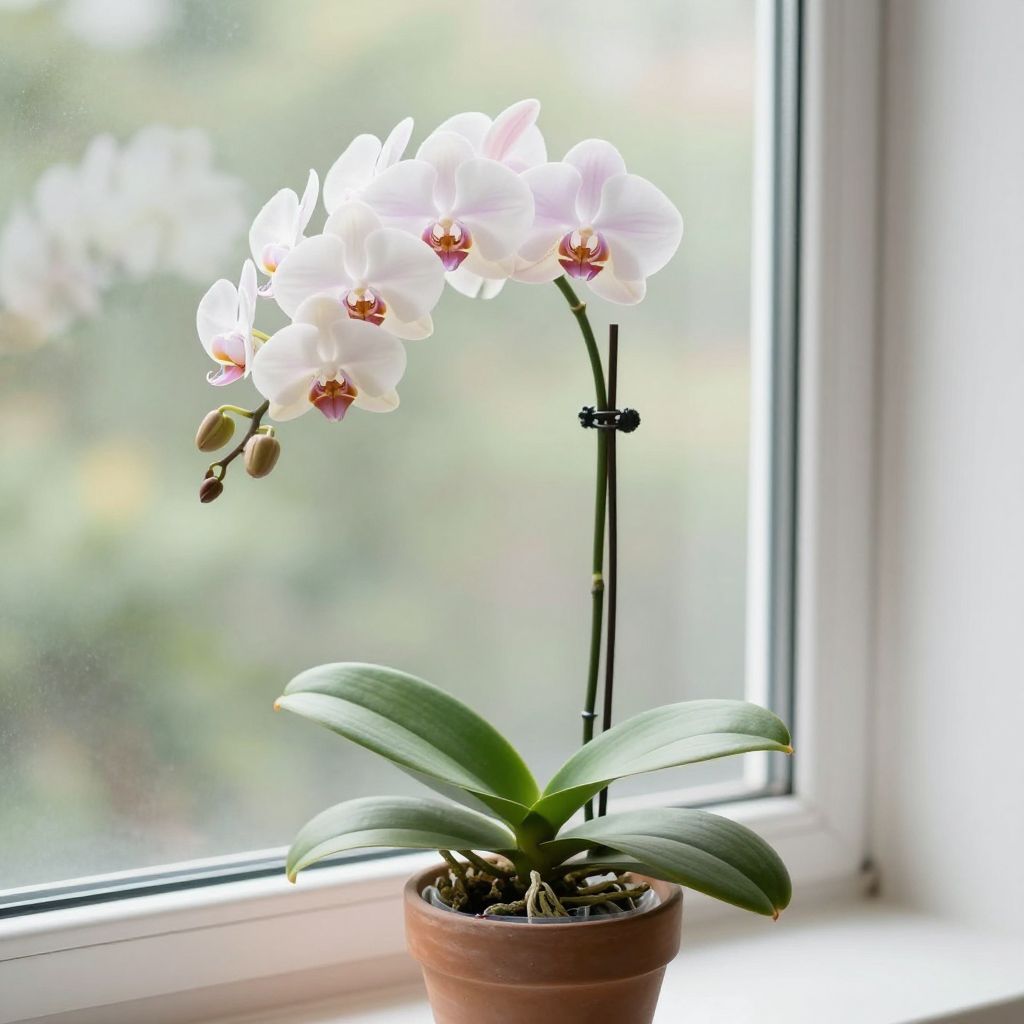
Wondering when do orchids bloom, and why your plant may flower at one time of year but not another? The answer depends on the orchid type, its growing conditions, and how closely it matches the plant’s natural seasonal rhythm. Some orchids bloom once a year, while others can flower more than once if they’re healthy and getting the right light, temperature, and care.
If you know what kind of orchid you have, you can usually predict its bloom window and encourage better flowering. The good news is that most orchids give clear signals before they spike, bud, and open.
When do orchids bloom?
Orchids bloom at different times depending on the species or hybrid, but many popular houseplant orchids flower once a year, often in winter, late winter, spring, or early summer. Phalaenopsis commonly blooms in winter or spring, while some Cattleya, Dendrobium, and Oncidium types bloom seasonally after a period of active growth. Light, temperature shifts, and plant maturity strongly affect timing.
What affects orchid blooming time?
Blooming is driven by the orchid’s genetics first, then by growing conditions. Even a healthy orchid may refuse to bloom if it does not get enough light, experiences unstable temperatures, or is kept in the wrong potting mix.
1. Orchid type
Different orchids follow different bloom cycles. A Phalaenopsis may rebloom from the same flower spike, while a Cymbidium often needs cooler nights to set buds. Knowing the plant’s name is the fastest way to narrow down the likely bloom season.
2. Light levels
Most orchids need bright, indirect light to bloom well. Too little light is one of the most common reasons orchids grow leaves but never flower. A plant that is too dark may look healthy but stay vegetative for months or years.
3. Temperature changes
Many orchids use day-night temperature differences as a signal to initiate flower spikes. A modest drop at night, especially in late summer or autumn for some types, can trigger blooming. Sudden cold drafts, however, can damage buds.
4. Plant maturity
Young orchids often need time to reach blooming size. A small plant may be perfectly healthy yet not ready to flower. Once mature, it should bloom more reliably if the rest of its care is consistent.
5. Water and feeding
Overwatering, underwatering, or heavy feeding can all interfere with flowering. Orchids bloom best when roots stay healthy, the potting mix dries appropriately between waterings, and fertilizer is used lightly and regularly during active growth.
Typical bloom seasons for common orchids
Bloom time varies, but these general patterns help you set expectations. Local indoor conditions may shift flowering by several weeks or more.
- Phalaenopsis (moth orchid): often blooms in winter through spring, sometimes again later in the year.
- Cattleya: many bloom in spring or autumn, depending on the species or hybrid.
- Dendrobium: bloom timing varies widely; some flower in late winter or spring, others after a rest period.
- Oncidium alliance orchids: often bloom in spring or autumn, depending on the plant.
- Cymbidium: commonly flowers in late winter through spring and often benefits from cooler nights.
- Paphiopedilum (slipper orchid): bloom time varies by type, with many flowering in winter or spring.
If your orchid label does not identify the type, look at the growth habit and flower spike shape, or ask a local nursery for help. Correct identification makes care much easier.
How to encourage orchids to bloom
Healthy orchids bloom more reliably when you match their light, temperature, and root needs. The goal is not to force flowers, but to create conditions that tell the plant it is time to bloom.
Give the right light
Place orchids where they receive bright, filtered light. An east window is often ideal for many indoor orchids, while south or west exposures may need a sheer curtain. If leaves are very dark green, the plant may need more light; yellowing or scorched leaves can mean too much.
Use a proper potting mix
Most orchids are grown in a loose, airy mix rather than regular soil. Bark-based orchid mix, sphagnum moss, or a blend made for orchids helps roots get air and drain quickly. Poor drainage can lead to root rot and delayed blooming.
Water carefully
Water when the potting mix is nearly dry but not bone dry for long periods. The exact timing depends on pot size, mix, humidity, and temperature. Water thoroughly, then let excess drain away completely. Never let an orchid sit in standing water.
Feed lightly during growth
Use a balanced orchid fertilizer at a diluted rate according to the product label, especially when the plant is producing new leaves or roots. Reduce feeding when growth slows or after flowering if the plant is resting. Too much fertilizer can damage roots and reduce bloom quality.
Provide the right temperature cues
Some orchids need a slight nighttime drop to initiate spikes. If your orchid type prefers cooler nights, try placing it where temperatures naturally fall after sunset, but avoid exposing it to cold windows or heating vents.
How to tell an orchid is getting ready to bloom
Before flowering, many orchids show visible changes. Learning these signs helps you avoid mistaking a flower spike for a root or damaging a developing bud.
- New spike growth: a flattened or pointed stem emerging from a leaf joint in many Phalaenopsis orchids.
- Swelling nodes: buds may begin to form along a spike.
- Healthy root tips: active root growth often supports flowering.
- Firm leaves: leaves should look turgid, not limp or wrinkled.
- Seasonal response: some orchids start spiking after a change in day length or night temperature.
Be patient once a spike appears. Buds can take weeks to open, and moving the plant too often can cause bud drop in sensitive orchids.
Why orchids fail to bloom
If your orchid keeps growing leaves but never flowers, the problem is usually environmental rather than fatal. Most bloom issues can be corrected with a few adjustments.
Too little light
This is the most common cause. Move the plant to brighter indirect light and watch leaf color over several weeks. If the orchid has not bloomed for a long time, light is one of the first things to check.
Root problems
Rotten, cramped, or damaged roots limit the plant’s ability to bloom. If the mix stays wet too long or smells sour, repot into fresh orchid medium and trim only dead roots with clean tools.
Wrong potting mix
Old mix breaks down and holds too much moisture. Repotting every one to three years, depending on the orchid and medium, helps keep roots healthy and supports future flowering.
No seasonal cue
Some orchids need a temperature shift or a brief rest period to bloom. If your home stays warm and steady all year, you may need to mimic more natural conditions for certain types.
Too much nitrogen
Excess fertilizer can push leaf growth at the expense of flowers. Use a balanced approach and avoid overfeeding, especially in low light.
What to do after orchids finish blooming
After flowering, the plant’s next steps depend on the orchid type and the condition of the spike. Good post-bloom care helps the orchid recover and prepare for the next cycle.
- Remove spent flowers once they fade.
- Inspect the spike to see whether it is still green and alive.
- For some Phalaenopsis orchids, you may leave a green spike in place if the plant is strong and may rebloom from a node.
- If the spike turns brown and dry, trim it near the base with clean, sterilized scissors.
- Continue normal care so the plant can rebuild energy through leaves and roots.
Do not cut healthy green tissue unless you know the orchid type and its bloom habit. Some orchids rebloom on old spikes, while others flower only on new growth.
Indoor versus outdoor orchid blooming
Indoor orchids usually bloom based on light, temperature, and humidity in the home. Outdoor orchids, where climate allows, often follow seasonal weather more closely and may bloom more predictably if they experience natural day-night changes.
Indoor growing tips
- Keep orchids near bright windows with filtered light.
- Avoid hot air from vents and cold drafts from glass.
- Rotate the pot occasionally for even growth, but avoid moving it constantly once buds form.
- Use humidity trays or grouping plants if your home is very dry, but keep pots out of standing water.
Outdoor growing tips
- Provide shade that mimics dappled forest light.
- Protect orchids from heavy rain, strong wind, and direct midday sun.
- Watch night temperatures, especially for orchids that need a cool trigger to bloom.
- Bring tender orchids indoors before cold weather arrives.
Common orchid bloom problems and fixes
Many bloom issues are reversible if you catch them early. Start with the simplest causes before assuming the plant is failing.
- Buds drying up or falling off: usually caused by sudden temperature change, dry air, underwatering, or moving the plant after buds form.
- Flower spike but no buds: often linked to insufficient light or an immature plant.
- Leaves grow, no flowers: check light first, then roots, fertilizer, and temperature cues.
- Wrinkled leaves: may indicate root loss or poor water uptake.
- Soft, dark roots: suggests overwatering and possible root rot.
If you suspect root rot, unpot the orchid, remove mushy roots, and repot into fresh, airy orchid mix. Clean tools before and after use to reduce disease spread.
Pests and diseases that can interfere with blooming
Healthy orchids bloom more reliably than stressed ones. Pests and disease can weaken the plant enough to stop flowering altogether.
- Mealybugs: white, cottony insects that hide in leaf joints and on roots.
- Scale insects: small, shell-like bumps on leaves and stems.
- Aphids: soft-bodied insects that cluster on new growth and buds.
- Fungal or bacterial rot: often linked to excessive moisture and poor air movement.
Check the underside of leaves, leaf joints, and potting medium regularly. Early treatment is easier than trying to rescue a badly weakened orchid later.
Practical orchid bloom care checklist
If you want better flowering, focus on the basics that matter most. This simple routine works well for many common houseplant orchids.
- Give bright, indirect light suited to the orchid type.
- Water only when the medium is approaching dryness.
- Use a loose orchid mix with excellent drainage.
- Feed lightly during active growth, not heavily year-round.
- Watch for seasonal temperature cues if your orchid type needs them.
- Repot when the medium breaks down or roots outgrow the pot.
- Protect buds from drafts, heat blasts, and sudden moves.
Conclusion
So, when do orchids bloom? It depends on the orchid type, but many bloom once a year when light, temperature, and root health are right. Identify your orchid, match its seasonal needs, and adjust care gradually. If you want to improve flowering next season, start by checking the light level and the condition of the roots today.
For more practical orchid care, you may also want to read about orchid growing guidance and orchid care basics.