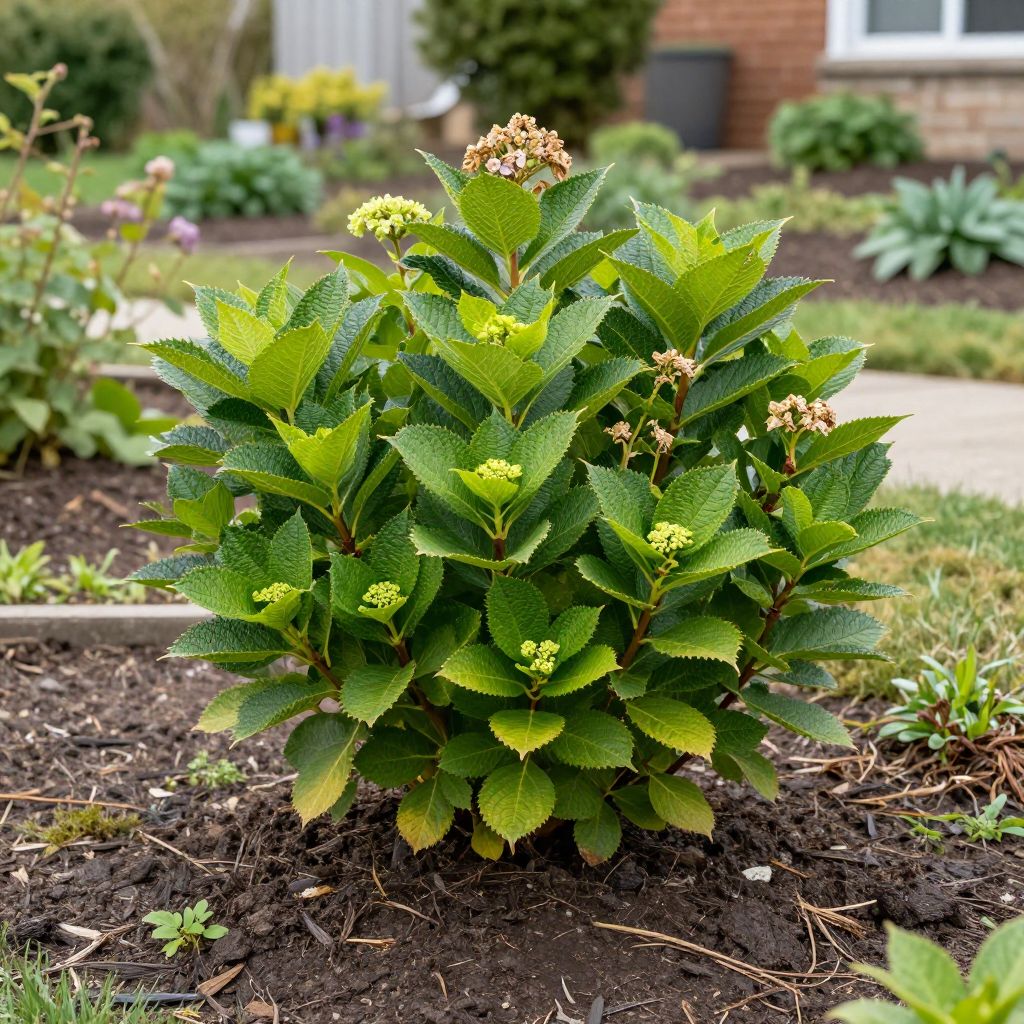
Do hydrangeas come back every year? In most gardens, yes—hydrangeas are perennial shrubs that return season after season when they’re planted in the right spot and protected from harsh weather. The catch is that not every hydrangea type behaves the same way, and winter damage, poor pruning, or the wrong climate can affect whether you see flowers the next year.
If your hydrangea looks dead in spring, don’t rush to dig it up. Many varieties leaf out slowly, and some bloom on old wood, new wood, or both, which changes how you care for them.
Do hydrangeas come back every year?
Yes, hydrangeas are perennial shrubs, so they usually come back every year if they survive winter and are suited to your climate. Healthy plants regrow from their roots and stems in spring. Whether they bloom well again depends on the hydrangea type, winter protection, pruning timing, moisture, and how much cold damage the plant experienced.
Why some hydrangeas return but don’t bloom
A hydrangea can survive and still fail to flower. That usually means the plant lived through winter, but the flower buds were damaged or removed.
Old wood vs. new wood
This is the biggest reason hydrangeas confuse gardeners.
- Old wood bloomers set flower buds on stems formed the previous year.
- New wood bloomers flower on stems that grow in the current season.
- Reblooming types may flower on both, depending on the cultivar and conditions.
If you prune an old wood hydrangea at the wrong time, you may remove next season’s flower buds. If winter kills the buds, the plant may still return but skip flowering.
Common hydrangea groups and what that means for you
- Bigleaf hydrangea (Hydrangea macrophylla) often blooms on old wood, though some newer types rebloom.
- Mountain hydrangea (Hydrangea serrata) also commonly blooms on old wood.
- Panicle hydrangea (Hydrangea paniculata) blooms on new wood and is usually more forgiving in cold climates.
- Smooth hydrangea (Hydrangea arborescens) blooms on new wood and typically returns reliably after winter.
- Oakleaf hydrangea (Hydrangea quercifolia) blooms on old wood and may need extra winter protection in colder areas.
How to help hydrangeas return year after year
Good site selection and steady care matter more than heavy feeding or frequent pruning. Hydrangeas do best when their roots stay evenly moist, their soil drains well, and they get the right amount of sun for your climate.
Choose the right planting spot
Most hydrangeas like morning sun and afternoon shade, especially in hot climates. In cooler regions, many types can handle more sun if the soil stays moist.
- Plant in well-drained soil that holds moisture without staying soggy.
- Leave enough room for mature size so the shrub is not crowded.
- Avoid exposed windy sites if winter damage is a concern.
Improve soil before planting
Hydrangeas prefer soil that is rich in organic matter. Mixing in compost at planting time helps improve texture and moisture retention.
- Work compost into the planting area, especially if your soil is sandy or very heavy clay.
- Do not bury the crown too deeply.
- Mulch after planting to help keep roots cool and evenly moist.
Water consistently, especially the first few years
Hydrangeas have shallow roots and can wilt quickly in dry weather. Young plants need more attention than established shrubs.
- Water deeply when the top few inches of soil begin to dry.
- Check soil by hand rather than relying on a fixed schedule.
- Water at the base of the plant to reduce leaf wetness and disease risk.
Dry stress can reduce flowering the following season, especially during bud formation and summer heat.
Mulch to protect roots
A 2- to 3-inch layer of organic mulch helps conserve moisture and buffer soil temperature. Keep mulch a few inches away from the stems so the base of the plant does not stay wet.
Pruning hydrangeas the right way
Pruning mistakes are one of the most common reasons gardeners think a hydrangea did not come back. The plant may have returned, but the buds were cut off at the wrong time.
Know when to prune
- Old wood bloomers: prune lightly after flowering, if needed.
- New wood bloomers: prune in late winter or early spring, before new growth starts.
- Unsure of the type? Wait until you can identify whether it blooms on old or new wood before making major cuts.
What to remove
For most hydrangeas, focus on basic cleanup rather than hard pruning.
- Remove dead, broken, or crossing stems.
- Cut away obviously winter-killed tips once new growth appears.
- Thin out crowded stems if airflow is poor.
- Avoid cutting the shrub back severely unless the type tolerates it.
Winter care and cold protection
In colder regions, winter injury is often the reason a hydrangea comes back weakly or not at all above ground. Roots may survive while flower buds or stems are damaged.
How to reduce winter damage
- Apply mulch after the ground cools, not too early in warm weather.
- Choose sheltered planting sites near fences, buildings, or other shrubs when appropriate.
- In very cold areas, protect vulnerable types with breathable coverings or wind protection if needed.
- Do not fertilize late in the season, because tender new growth can be more easily damaged by frost.
What to expect in spring
Be patient before declaring a hydrangea dead. Some stems may leaf out from lower nodes or from the base later than other shrubs in your garden. Scratch-test stems only if needed: green tissue under the bark suggests life.
Common problems that affect whether hydrangeas return
Frost-damaged buds
Late spring freezes can kill developing buds on old wood bloomers. If the leaves emerge but flowers do not, cold injury is a likely cause.
Too much shade
Hydrangeas can grow in shade, but deep shade often reduces flowering and weakens the plant over time. If a shrub gets very little light, it may return but look sparse.
Poor drainage
Soggy soil can rot roots and weaken the plant. If your hydrangea sits in water after rain, improve drainage or consider moving it to a better site.
Heat and drought stress
Wilting, scorched leaves, and short bloom periods often point to insufficient water or too much afternoon sun in hot climates.
Pests and diseases
Hydrangeas are not usually high-maintenance, but they can still run into problems.
- Aphids may cluster on soft new growth.
- Spider mites can appear in hot, dry conditions.
- Powdery mildew may develop in crowded, humid plantings.
- Leaf spots can show up when foliage stays wet for long periods.
Most issues are managed by improving airflow, watering at soil level, removing badly affected leaves, and keeping the plant from stress.
How to tell if your hydrangea is alive
If your shrub looks rough after winter, check for signs of life before replacing it.
- Look for swelling buds along the stems.
- Scratch a small section of bark on a stem; green tissue means the stem is alive.
- Check the base for new shoots, especially on smooth and panicle hydrangeas.
- Wait for consistent warm weather before making final decisions.
If the plant has green growth at the base but dead upper stems, prune only the dead parts and let the shrub recover.
Can you propagate hydrangeas if the plant is declining?
Yes, if the plant is healthy enough to provide cuttings. Softwood cuttings are a common way to make new hydrangeas, though success depends on timing and plant condition. This is useful if you want a backup plant from a favorite shrub.
Simple propagation approach
- Take healthy, non-flowering stem cuttings in the appropriate season for your climate.
- Use clean, sharp pruners.
- Remove lower leaves and keep the cutting evenly moist.
- Place in a bright spot out of direct harsh sun until roots form.
Propagation is easier when the mother plant is vigorous, so focus first on restoring the shrub’s health.
Best maintenance habits for long-term success
If you want hydrangeas to return reliably every year, keep the care routine simple and consistent.
- Plant in the right light for your climate.
- Water deeply during dry spells.
- Mulch annually to protect roots.
- Prune based on the hydrangea type, not on a fixed calendar alone.
- Avoid overfertilizing, which can push leafy growth at the expense of flowers.
- Watch for winter damage and remove only what is clearly dead.
Conclusion
So, do hydrangeas come back every year? Usually yes, as long as the plant is hardy in your area and you give it the right care. Identify your hydrangea type, protect it from winter stress, and prune at the correct time so next year’s blooms are not removed by mistake. If you’re unsure about your plant, start by observing where it flowers and how it responds after winter.
If you want to dig a little deeper, you may also find it helpful to read about whether hydrangeas are perennials and when to prune hydrangea.