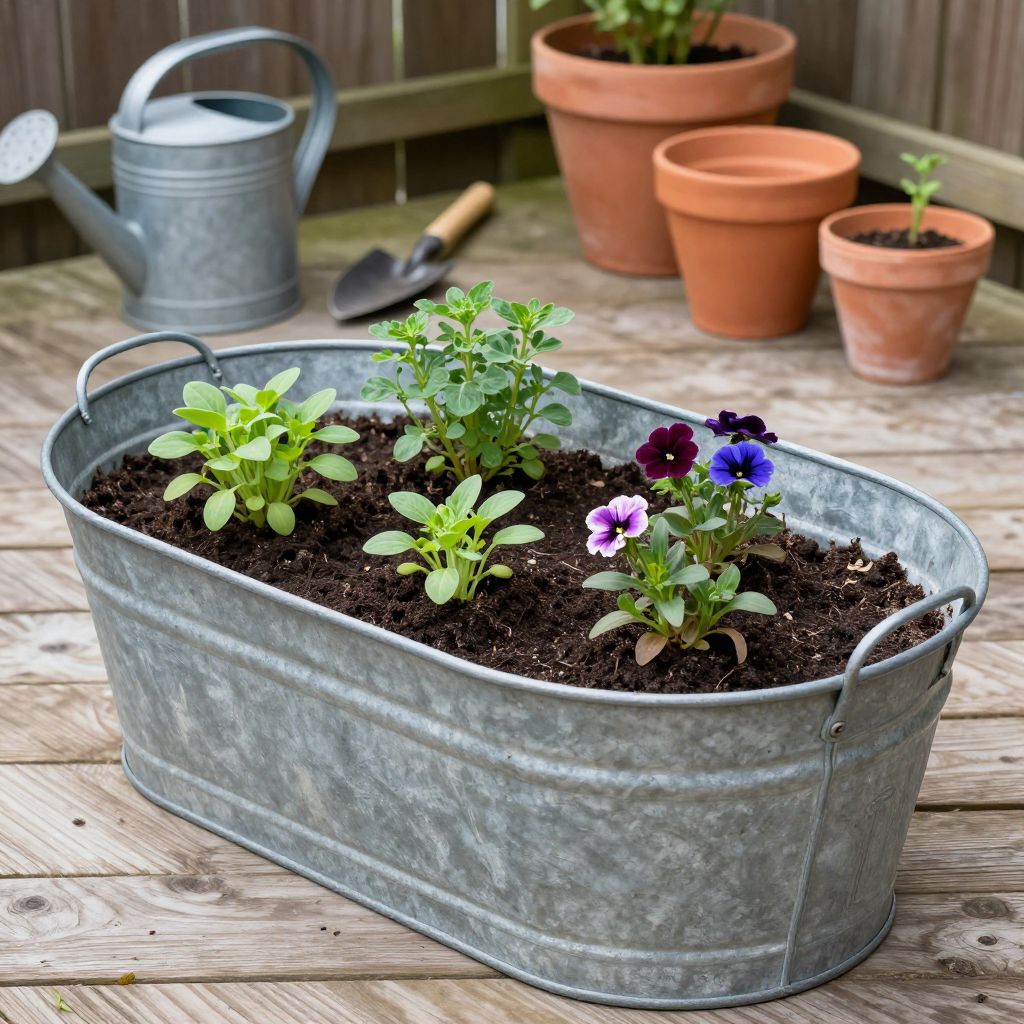
If you’re asking, “What is a garden tub?” you may be looking at a plant label, a product description, or a garden feature and want to know what it actually means. In gardening, the phrase can be confusing because it is not a standard botanical term.
Most often, people use “garden tub” to describe a large tub, container, or basin used for planting, soaking, or decorative display. The right meaning depends on context, so the best way to identify it is by looking at the material, size, drainage, and how it’s being used in the garden.
What is a garden tub?
A garden tub is usually a large container or basin used in gardening, most often for growing plants, creating a container display, or holding water in a decorative landscape feature. It is not a specific plant. In practice, the term usually refers to a sturdy tub made of wood, metal, plastic, stone, or ceramic.
How to identify a garden tub
Because the phrase is broad, identification depends on the object itself. Look at its shape, drainage, and intended use rather than the name alone.
Common types you may see
- Planting tub: A deep container with drainage holes for flowers, herbs, shrubs, or small trees.
- Decorative tub: A basin used as a focal point in a garden, sometimes planted and sometimes left empty.
- Water tub: A tub used as a small pond, birdbath, or water feature.
- Repurposed tub: An old galvanized, wooden, or plastic tub converted for garden use.
Quick identification checklist
- Drainage holes: If it has holes in the bottom, it is likely meant for planting.
- Depth: Deeper tubs suit larger root systems and mixed plantings.
- Material: Wood and terracotta dry faster; plastic and metal retain moisture differently.
- Placement: A tub sitting on soil or gravel may be part of a garden bed, while one on a patio is usually a container feature.
How to use a garden tub for planting
If your garden tub is meant for plants, treat it like any other container garden. Success depends on drainage, potting mix, plant size, and how much sun the location gets.
Choose the right container mix
Use a high-quality potting mix rather than garden soil. Garden soil can compact in a tub, reducing drainage and oxygen around roots.
- Add compost if you want extra organic matter, but keep the mix loose.
- For thirsty plants, a mix with good moisture retention helps.
- For drought-tolerant plants, choose a lighter, faster-draining blend.
Make sure drainage is adequate
Drainage is the most important factor in a garden tub. Without it, roots can rot even if the plant looks healthy at first.
- Check whether the tub already has drainage holes.
- If it does not, drill holes if the material allows it.
- Raise the tub slightly on feet, bricks, or pot risers so water can escape freely.
- Place a saucer only if needed, and empty standing water regularly.
Select plants that fit the tub
Choose plants based on mature size, not the size they are when you buy them. A cramped tub can quickly become crowded.
- Annual flowers: Good for seasonal color and easy replanting.
- Herbs: Basil, parsley, thyme, and chives often do well in tubs with sun and drainage.
- Compact vegetables: Lettuce, radishes, dwarf peppers, and bush tomatoes may work in larger tubs.
- Small shrubs or ornamental grasses: Best in deep, stable containers with room for roots.
Sunlight, water, and seasonal care
Container plants in a garden tub usually need more attention than in-ground plants because the root zone heats up and dries out faster. Your local climate, wind exposure, and container material all affect care.
Sunlight needs
Match the plant to the light the site receives. A tub in full sun can overheat in hot climates, while a shaded tub may stay too wet for sun-loving plants.
- Full sun: Best for many vegetables and flowering annuals.
- Partial shade: Useful for leafy greens, some herbs, and shade-tolerant ornamentals.
- Deep shade: Limits flowering and fruiting choices, but can work for foliage plants.
Watering the right way
Water when the top inch or two of mix feels dry, then water thoroughly until excess drains out. In hot or windy weather, tubs may need checking daily.
Signs of underwatering include wilted leaves, dry soil pulling away from the sides, and stunted growth. Signs of overwatering include soggy mix, yellowing leaves, and a sour smell from the container.
Seasonal adjustments
- Spring: Refresh old mix, trim dead growth, and repot crowded plants.
- Summer: Watch for heat stress and water loss, especially in dark-colored tubs.
- Autumn: Remove spent annuals and replace tired mix if disease was present.
- Winter: Protect frost-sensitive tubs, especially if the container can crack or the roots can freeze solid.
Common mistakes to avoid
Many garden tub problems come from treating the container like a decorative object instead of a living planting space. A few simple mistakes can shorten the life of both the tub and the plants.
- Using garden soil alone: It often compacts and drains poorly in a tub.
- Ignoring drainage: Standing water is one of the fastest ways to lose container plants.
- Overcrowding: Plants need airflow and root space.
- Choosing the wrong plant size: Fast-growing roots can outgrow a small tub quickly.
- Forgetting weight: Large tubs filled with wet soil can be very heavy, so place them before planting.
Pruning, feeding, and maintenance
Container plants in a garden tub usually need more regular maintenance than plants in the ground. The limited root zone means they rely on you for space, nutrients, and cleanup.
Pruning and deadheading
Remove faded flowers, yellow leaves, and damaged stems to keep the planting tidy and encourage continued growth. For shrubs or herbs, light pruning helps maintain shape and prevents overcrowding.
Feeding container plants
Plants in tubs can use up nutrients faster than garden beds because watering leaches nutrients from the mix. Use a balanced fertilizer only as needed and follow the product label for container plants, since plant type and growth stage matter.
Refreshing the mix
Over time, potting mix breaks down and holds less air. If the tub planting is declining, refresh part of the mix, top-dress with compost, or repot into a larger container if the roots are crowded.
Pests and diseases in garden tubs
Garden tubs can still attract pests and diseases, especially if plants are crowded or stressed. Good spacing, clean tools, and steady watering help prevent most problems.
Common issues
- Aphids: Often cluster on tender new growth.
- Spider mites: More common in hot, dry conditions.
- Fungal problems: Can appear when leaves stay wet or air circulation is poor.
- Root rot: Usually linked to poor drainage or overwatering.
Practical fixes
- Inspect leaves and stems regularly, especially the undersides.
- Remove heavily damaged foliage.
- Improve airflow by thinning crowded plants.
- Adjust watering so the mix is moist, not soggy.
- Replace diseased mix if root problems keep returning.
Repurposing an old tub in the garden
Many gardeners use old tubs as rustic planters or water features. This can be a creative and practical way to reuse sturdy containers, but only if the material is safe and structurally sound.
Before you plant in a repurposed tub
- Check for rust holes, cracks, or weak seams.
- Make sure any lining or coating will not break down quickly.
- Confirm that drainage can be added if needed.
- Avoid containers with unknown residues if they were previously used for chemicals.
If the tub will hold water, line it carefully and consider how you will prevent mosquitoes and stagnation. If it will hold plants, ensure excess water can escape freely.
When a garden tub is the right choice
A garden tub is a smart option when you want flexibility, better control over soil, or a feature that can move with the seasons. It is especially useful for patios, small yards, balconies, and problem soils.
It may not be the best choice if you want low-maintenance planting, if your climate is extremely hot and dry, or if the container is too small for the plant you want to grow. In those cases, choose a larger tub, a different material, or an in-ground planting bed.
Conclusion
So, what is a garden tub? It is usually a large container or basin used for planting, display, or water features, and its success depends on drainage, size, sunlight, and proper plant selection. Check the container’s purpose, then match it to the plants and conditions you actually have.
If you want to keep learning about container gardening, you may also enjoy reading about container gardening basics and how drainage affects potted plants.