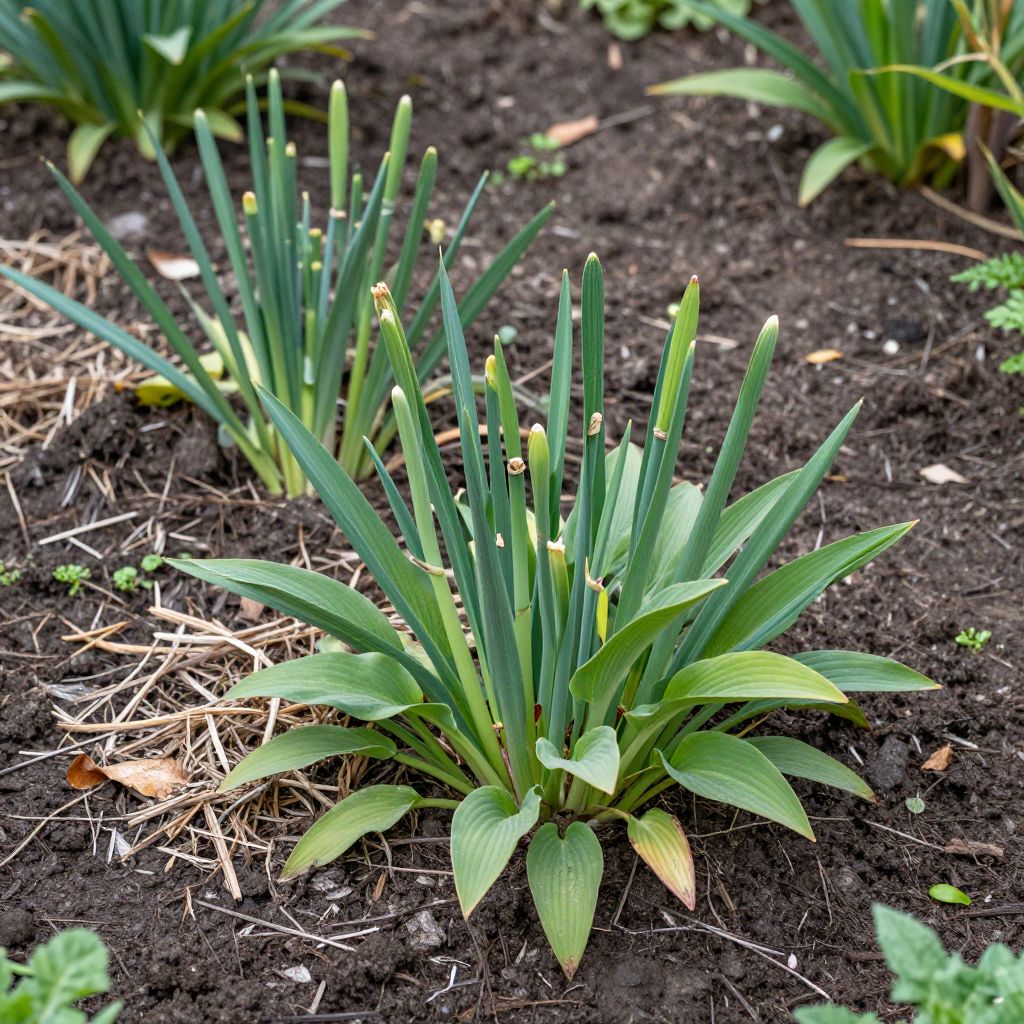
Do perennials come back? In many gardens, yes—perennials are plants that survive winter and regrow in spring from roots, crowns, bulbs, rhizomes, or tubers. But “come back” depends on the plant, your climate, soil drainage, winter lows, and how well the plant was established before cold weather arrived.
If a perennial disappears after winter, it does not always mean it died. Some go dormant naturally, some are slow to emerge, and some fail because of winter wetness, heaving, pests, or poor site conditions. Knowing what to expect helps you tell the difference between normal dormancy and a real problem.
Do perennials come back every year?
Yes, true perennials are designed to live for more than two growing seasons and return year after year from the same root system. However, not every perennial is long-lived in every garden. Survival depends on hardiness, drainage, light, soil health, and whether the plant has enough time to establish before extreme heat or cold.
What “coming back” really means for perennials
Many gardeners expect the top growth to stay alive through winter, but that is not how most perennials work. In cold climates, the leaves and stems often die back, while the crown or underground parts remain alive and rest until conditions improve.
Common perennial growth habits
- Herbaceous perennials die back to the ground each winter and resprout in spring.
- Evergreen or semi-evergreen perennials keep some foliage through winter in mild climates.
- Woody perennials such as shrubs keep stems alive year-round, though some may lose leaves seasonally.
- Short-lived perennials may survive only a few years, especially in stressful conditions.
That means “coming back” can look very different from plant to plant. Some return early with fresh shoots, while others wait until soil warms and days lengthen.
Why some perennials return and others do not
When a perennial fails to come back, the cause is often environmental rather than mysterious. The most common reasons are winter injury, poor drainage, planting too late, or choosing a plant that is not suited to your local climate.
Key factors that affect survival
- Hardiness: A plant must tolerate your winter lows.
- Drainage: Wet soil in winter can rot roots and crowns.
- Sun exposure: Too little light weakens growth; too much heat can stress cool-season plants.
- Soil quality: Compacted or nutrient-poor soil limits root development.
- Establishment time: Newly planted perennials are more vulnerable than established clumps.
If your garden has heavy clay soil, low spots, or lingering snowmelt, drainage may matter more than winter temperature alone. Many perennials handle cold better than they handle soggy soil.
How to help perennials come back stronger
The best way to improve return rate is to match the plant to the site and give it a healthy start. Good planting and maintenance matter more than extra fertilizer or constant watering.
1. Choose the right plant for your climate
Check the plant tag or reliable local guidance for hardiness and growing requirements. A perennial that thrives in one region may struggle in another, especially in areas with hot summers, freeze-thaw cycles, or very wet winters.
2. Prepare soil before planting
Most perennials do best in loose, well-drained soil enriched with compost. Mix in organic matter if your soil is poor, but avoid creating a planting hole that acts like a bathtub and traps water.
- Loosen compacted soil before planting.
- Work in compost to improve structure and moisture balance.
- Avoid piling soil high over the crown.
3. Plant at the right depth
Planting too deeply can smother the crown, while planting too shallowly can expose roots to drying and cold damage. Follow the plant’s specific depth needs, and keep the crown level with or slightly above the surrounding soil when appropriate.
4. Water to establish, then adjust
New perennials need consistent moisture while roots spread, but they should not sit in waterlogged soil. Water deeply when the top layer of soil begins to dry, then reduce frequency as the plant matures and local weather changes.
5. Mulch wisely
A 2- to 3-inch layer of mulch can help buffer temperature swings and hold moisture. Keep mulch a few inches away from crowns and stems so you do not encourage rot or provide shelter for pests.
Seasonal care that helps perennials return
Perennials do not need the same care all year. Their needs shift through spring, summer, fall, and winter, and timing matters.
Spring
- Remove dead stems only after you see new growth or when winter has clearly passed.
- Check for heaving, where frost pushes roots upward.
- Divide overcrowded clumps if the plant is large and healthy.
Summer
- Water during dry spells, especially for newly planted perennials.
- Deadhead spent flowers if the plant benefits from it.
- Watch for heat stress, mildew, aphids, slugs, and leaf spots.
Fall
- Stop fertilizing late in the season unless a plant specifically needs it.
- Cut back only if the plant is prone to disease or flopping.
- Add mulch after the soil cools in colder regions.
Winter
- Keep crowns from sitting in standing water.
- Protect tender plants from wind and repeated freeze-thaw cycles.
- Do not dig up plants too early just because they look dead.
How to tell if a perennial is dead or just dormant
Many gardeners give up too soon on a plant that is simply late to emerge. Some perennials do not show top growth until soil temperatures rise well into spring.
Simple checks you can do
- Look at the crown and base for firm, healthy tissue.
- Gently scratch a small section of stem or crown; green tissue suggests life.
- Check whether nearby plants of the same type are also slow to emerge.
- Wait for weather to stabilize before removing the plant.
Do not tug hard on the plant or dig aggressively around the crown. That can damage living roots and make recovery less likely.
Common reasons perennials fail to return
If a perennial does not come back, the problem is often one of these common issues. Identifying the cause helps you avoid repeating it next season.
Winter wetness and root rot
Many perennials tolerate cold better than soggy soil. If the crown turns soft, black, or mushy, excess moisture may be the issue. Improve drainage, raise beds, or move the plant to a better site.
Freeze-thaw damage
Repeated warming and freezing can push roots out of the soil and expose them to drying winds. Mulch helps, but only if applied after the ground begins to cool and not packed against the crown.
Wrong light level
A shade plant in full sun may scorch and weaken over time. A sun-loving perennial in too much shade may grow weakly, flower poorly, and enter winter underpowered.
Overcrowding
Older clumps can decline if they become too dense. Dividing them every few years, when appropriate for the species, can restore vigor and improve airflow.
Pests and disease
Slugs, crown borers, fungal leaf spots, and root diseases can reduce energy reserves. Healthy spacing, clean debris management, and proper watering all help limit problems.
How to improve perennial longevity in the landscape
Long-lived perennials usually have a few things in common: they are planted in the right place, given room to grow, and maintained without overdoing it. A thoughtful layout also makes the garden easier to care for.
Practical design tips
- Group plants with similar sun and water needs.
- Leave enough space for mature spread and airflow.
- Use compost to maintain soil health over time.
- Choose a mix of bloom times so the garden has interest even if one plant is slow to emerge.
If you are planting a border or mixed bed, place the most reliable perennials in the backbone positions and use shorter-lived types as accents. That way, the garden still looks good if one plant needs replacing.
Dividing and propagating perennials
Some perennials come back better when divided. Division can reduce crowding, refresh old centers, and give you new plants for other parts of the garden.
When division helps
- The plant has a dead or thin center.
- Flowering has declined.
- The clump is too large for its space.
- The plant benefits from periodic renewal, such as many ornamental clumping perennials.
Divide only when the plant is actively growing enough to recover, and avoid dividing during extreme heat or drought. Water the plant well after replanting so roots can re-establish.
Best practices for overwintering tender perennials
Some plants sold as perennials are only reliably perennial in mild climates. In colder areas, they may need extra protection or indoor overwintering.
Ways to protect tender plants
- Move containers to a sheltered location if the plant is grown in a pot.
- Insulate pots so roots do not freeze as quickly as in the ground.
- Use mulch or a cold-frame style cover where appropriate.
- Bring truly tender plants indoors if they are not hardy outdoors in your region.
Container-grown perennials dry out and freeze more quickly than in-ground plants, so check them more often in winter and during dry spells.
What to do if your perennial did not return
If a plant fails to emerge by the time similar plants in your area are growing, inspect it carefully. Sometimes the issue is localized and fixable; other times the plant was simply not suited to the site.
- Check for signs of life at the crown and roots.
- Review whether the site had standing water, deep shade, or extreme exposure.
- Consider whether the plant was newly installed and under stress.
- Replace it with a better-matched perennial if needed.
When you replant, improve the soil, correct drainage problems if possible, and choose a species that fits your climate and light conditions. That is usually more effective than trying the same plant in the same poor spot again.
Conclusion: set your perennials up to return
Do perennials come back? Usually yes, if they are hardy for your climate and planted in the right conditions. Give them well-drained soil, appropriate light, steady establishment watering, and sensible seasonal care, and you greatly improve their chances of returning year after year.
If you want to keep building a reliable garden, you may also enjoy reading about whether tulips come back every year and whether strawberry plants come back every year.