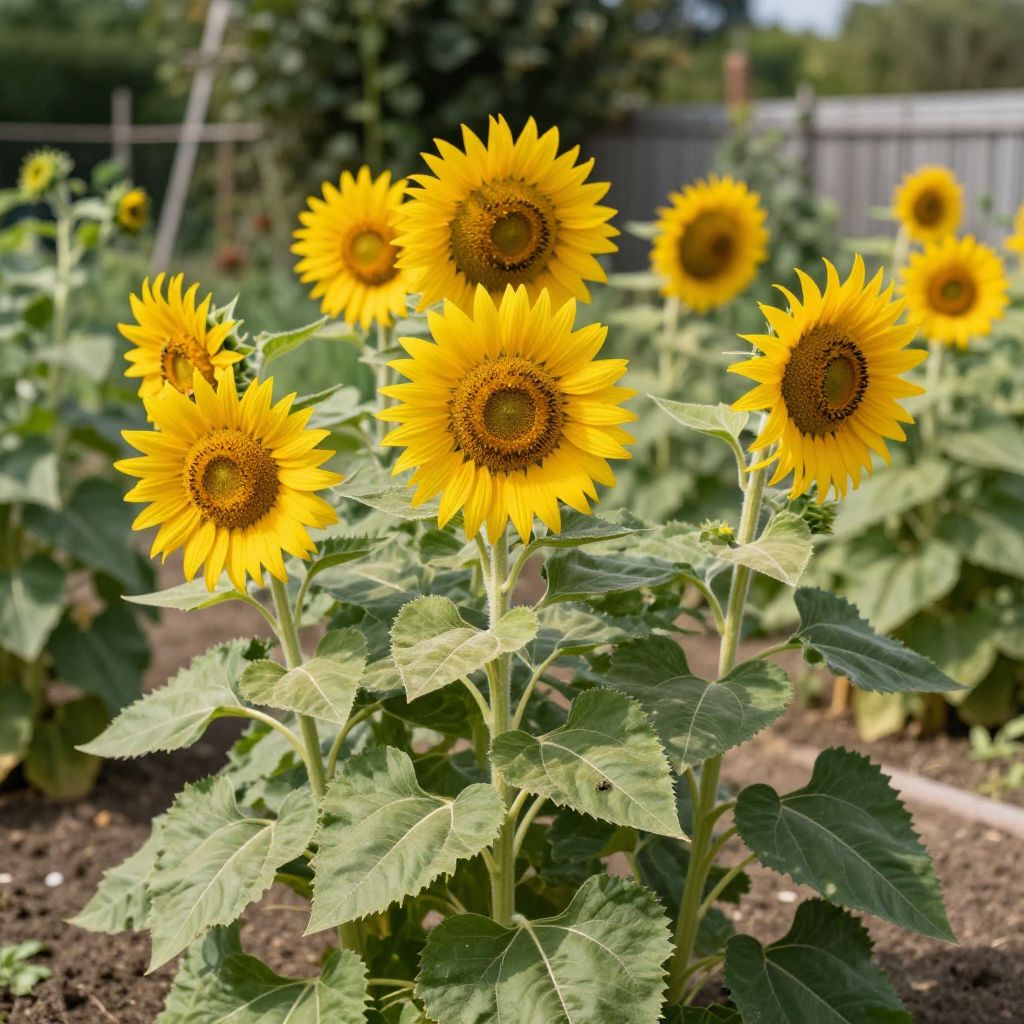
Wondering when is sunflower season and how to time your planting for the best blooms? Sunflowers are warm-season annuals, so their season depends on your climate, frost dates, and whether you want flowers for cutting, pollinators, or seed harvest.
The good news is that sunflowers are straightforward once you match them to the right season. With full sun, well-drained soil, and a staggered planting plan, you can enjoy blooms for weeks instead of all at once.
When is sunflower season?
Sunflower season is usually late spring through late summer, with the exact timing depending on your local frost dates and day length. In most gardens, sow seeds after the last frost when soil has warmed, then expect blooms about 70 to 100 days later, depending on the variety.
Understanding sunflower season by climate
Sunflowers are sensitive to cold soil and frost, so the season starts when conditions turn reliably warm. In cooler regions, that may mean late spring planting and mid- to late-summer flowers. In warmer climates, you may be able to sow earlier and even succession-plant for a longer display.
Cool climates
If your spring is short, wait until the danger of frost has passed and the soil is at least lightly warm to the touch. Planting too early often leads to slow germination, poor establishment, or seedlings damaged by cold snaps.
Mild and warm climates
In warmer regions, sunflower season can begin earlier and last longer. You can often sow in spring and again in early summer for a second wave of blooms, as long as the plants still have time to flower before extreme heat or seasonal drought becomes stressful.
Indoor starts versus direct sowing
Sunflowers are usually best direct sown outdoors because they dislike root disturbance. If you start them indoors, use deep pots and transplant carefully while seedlings are still small. Direct sowing is simpler and often produces stronger plants.
How to plant sunflowers at the right time
Timing matters more than rushing. Sunflower seeds germinate best in warm, workable soil and grow fastest in strong light. If you plant too early, the seeds may rot or sit idle; if you plant too late, shorter days and heat stress can reduce flowering.
- Wait until after your last expected frost date.
- Choose a site with at least 6 to 8 hours of direct sun.
- Prepare loose, well-drained soil.
- Sow seeds about 1 to 1.5 inches deep.
- Space plants according to mature size, usually 6 to 24 inches apart depending on the variety.
- Water gently after planting and keep the soil evenly moist until seedlings emerge.
Tip: For a longer sunflower season, sow a few seeds every 1 to 2 weeks for several weeks, rather than planting everything at once.
Best growing conditions for sunflowers
Sunflowers perform best in full sun and soil that drains well. They are not fussy, but they do need enough space, light, and root room to support tall stems and large blooms. Poor conditions usually show up as weak stems, small flowers, or lean growth.
Sunlight
Full sun is essential. In partial shade, sunflowers may stretch toward the light, produce fewer blooms, and lean more easily. If you want strong stems and large flower heads, choose the brightest part of your garden.
Soil
Sunflowers tolerate many soil types, but they prefer loose soil with decent fertility and drainage. Heavy clay can slow root growth and hold too much moisture, while very sandy soil may dry out too quickly. Adding compost helps improve both structure and moisture retention.
Water
Young sunflowers need regular moisture to establish roots. Once established, many varieties handle short dry periods, but they still perform better with consistent watering during bud formation and flowering. Avoid soaking the soil constantly, which can encourage root problems.
Spacing
Give tall varieties room to breathe. Crowded plants compete for light, water, and nutrients, and they are more likely to topple in wind. Smaller branching types can be planted a bit closer, especially in cutting gardens or borders.
Seasonal sunflower care from planting to bloom
Once your seeds are in the ground, the main job is keeping seedlings growing steadily. Sunflowers are fast growers, but they benefit from a little support early on so they can handle summer weather and flower well.
Early growth
- Keep the soil evenly moist until seedlings are established.
- Thin crowded seedlings so the strongest plants have space.
- Watch for birds or squirrels that may dig up seeds.
- Mulch lightly around plants after they are several inches tall to help hold moisture.
Midseason care
- Water deeply during dry spells rather than giving shallow, frequent sprinkles.
- Stake tall varieties if your site is windy or exposed.
- Remove competing weeds early so they do not steal water and nutrients.
- If soil is poor, a light compost top-dressing is usually enough; heavy feeding can encourage floppy growth.
Bloom time
When flower buds form, keep an eye on moisture. Drought stress at this stage can reduce bloom size and shorten the flowering period. If you are growing sunflowers for cutting, harvest them when the petals are just opening for the longest vase life.
Common mistakes that shorten sunflower season
Most sunflower problems come from timing, crowding, or poor site selection. The good news is that these are easy to correct once you know what to look for.
- Planting too early: Cold soil slows germination and can rot seeds.
- Planting in shade: Sunflowers need direct sun for strong stems and good blooms.
- Overcrowding: Tight spacing leads to weak stems and smaller flowers.
- Overwatering: Constantly wet soil can cause poor root health.
- Neglecting wind exposure: Tall plants may need support in open gardens.
- Waiting too long to sow: Late planting can push bloom time into cooler weather or shorten the flowering window.
Pests and diseases to watch for during sunflower season
Sunflowers are generally tough, but young plants and developing seed heads can attract pests. Most issues are easier to manage when caught early, especially in warm, humid weather or in gardens with heavy bird and insect pressure.
Common pests
- Birds: May pull up seeds or peck developing heads.
- Squirrels and rodents: Can dig up seeds or damage ripening heads.
- Aphids: Often cluster on stems and buds, especially on stressed plants.
- Cutworms and slugs: Can damage young seedlings near the soil line.
Common diseases
- Powdery mildew: More likely in crowded plantings with poor airflow.
- Downy mildew and leaf spots: Often encouraged by damp conditions and wet foliage.
- Root rot: Usually linked to poorly drained soil or overwatering.
To reduce problems, water at the base of the plant, space sunflowers properly, and clear away infected debris at the end of the season. Healthy, well-sited plants usually recover from minor pest pressure without much intervention.
How long sunflower season lasts
Sunflower season can last only a few weeks in a small planting, or several months if you sow in stages. The length depends on the variety, planting date, and whether you choose single-stem giants or branching types that keep producing new blooms.
Single-stem sunflowers
These typically produce one large bloom per plant. They are ideal if you want a dramatic display or big cutting flowers, but their season is shorter because each plant flowers once.
Branching sunflowers
Branching types often bloom longer because they produce multiple flowers over time. If you want a longer garden display, these are often the better choice.
Succession planting
Planting a few seeds every 1 to 2 weeks can extend your sunflower season naturally. This works especially well in areas with a long warm season, and it helps spread out bloom times for pollinators and bouquets.
Harvesting sunflowers at the right stage
If you are growing sunflowers for seed, timing your harvest is part of the season too. Wait until the back of the flower head turns yellow-brown and the seeds look plump. If birds are a problem, cover heads with breathable mesh or paper bags once seeds begin to mature.
If you want to learn more about timing, see when to plant sunflowers and when to harvest sunflower seeds.
Conclusion
When is sunflower season? For most gardeners, it begins after the last frost in spring and runs through summer into early fall, depending on your climate and planting date. Check your local frost window, choose a sunny site, and sow a few seeds in stages so you can enjoy a longer stretch of blooms.