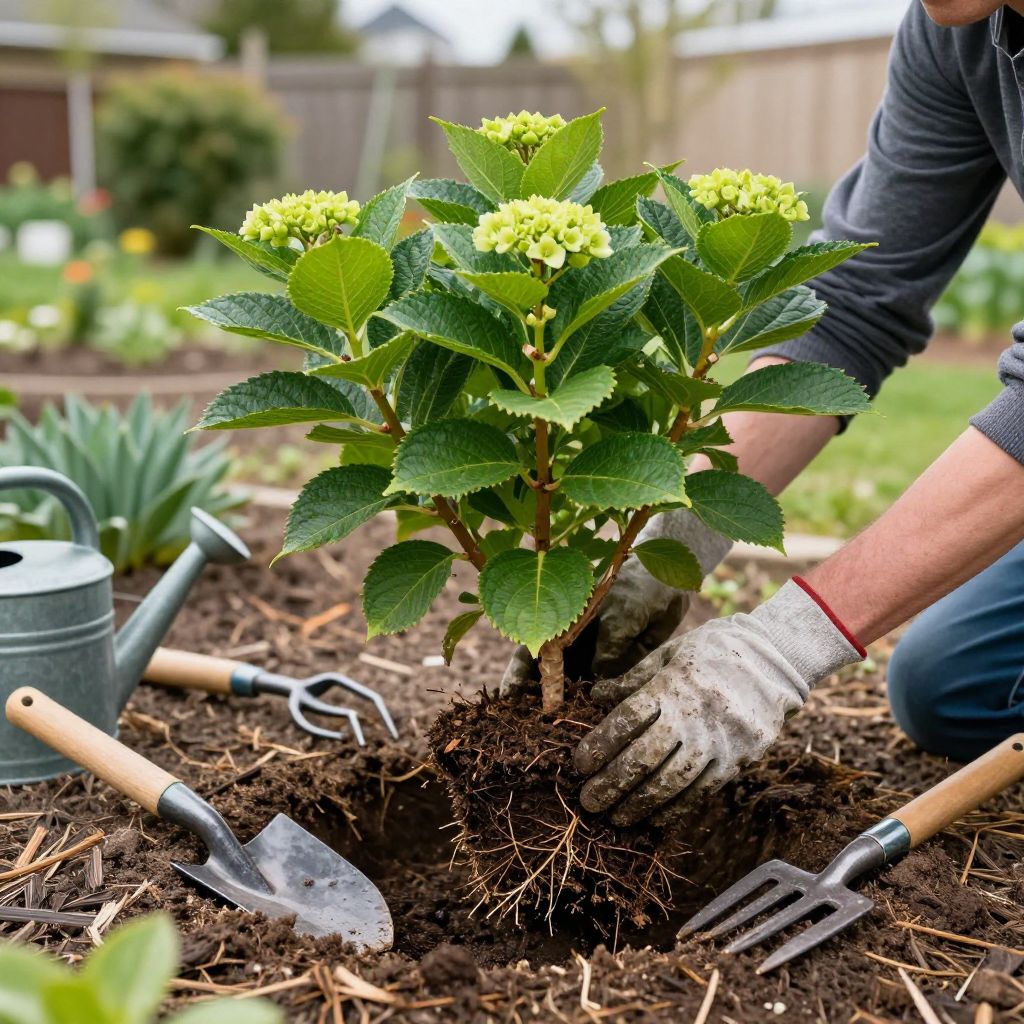
Wondering when to transplant hydrangeas without shocking the plant or losing next season’s blooms? Timing matters because hydrangeas respond best when roots can re-establish before heat, drought, or freezing weather adds stress.
The good news is that most hydrangeas can be moved successfully if you choose the right season, prepare the new site well, and keep the root ball moist. A careful transplant often means the difference between a brief setback and a healthy shrub that settles in quickly.
When to transplant hydrangeas?
The best time to transplant hydrangeas is usually in early spring or early fall, when temperatures are mild and the plant is not actively flowering in extreme heat. In cooler climates, early spring is often safest; in milder areas, fall can work well if you give the shrub enough time to root before winter.
Why timing matters so much
Hydrangeas dislike root disturbance during hot, dry weather. Moving them when they are actively growing hardens the transplant stress, while moving them during dormancy or mild weather gives roots a better chance to recover.
Timing also affects flowering. Some hydrangeas bloom on old wood, meaning next year’s flower buds may already be forming on the stems you move. A poorly timed transplant can reduce blooms for one season, even if the plant survives perfectly well.
Best seasonal windows
- Early spring: Often the best choice, just as new growth begins but before the plant is fully leafed out.
- Early fall: Good in many regions because soil is still warm and air temperatures are cooler.
- Summer: Avoid if possible, especially during heat waves or drought.
- Late fall or winter: Usually risky unless your climate is very mild and the ground is workable.
How to tell if your hydrangea is ready to move
Before you dig, check the plant’s condition and the weather forecast. A healthy, well-watered shrub with a manageable root system is much easier to transplant than one that is already stressed.
Good signs
- The plant is healthy and not wilting.
- The weather is cool, cloudy, or lightly rainy.
- The soil is moist but not soggy.
- You can water consistently for several weeks after moving it.
Signs to wait
- The plant is flowering heavily in hot weather.
- The soil is frozen or extremely dry.
- The shrub is already drought-stressed or diseased.
- A heat wave or hard frost is expected soon.
How to transplant hydrangeas step by step
Transplanting is easier when you prepare both the plant and the new hole before digging. Work quickly, keep the root ball intact, and replant at the same depth it was growing before.
- Water the plant deeply a day or two before moving it so the roots are hydrated and the soil holds together better.
- Choose the new location with suitable light, drainage, and space for mature growth.
- Dig the new hole first so the plant spends less time out of the ground.
- Dig wide, not just deep, to preserve as many roots as possible. Start several inches away from the stems and work outward.
- Lift the root ball carefully and support it from underneath if possible.
- Set the plant at the same depth it was growing before. Do not bury the stems deeper.
- Backfill with native soil unless your soil is extremely poor. Break up clods and firm gently to remove large air pockets.
- Water thoroughly right after planting to settle the soil around the roots.
- Mulch 2 to 3 inches deep around the base, keeping mulch a few inches away from the stems.
How much root should you keep?
As much as you can reasonably preserve. For larger hydrangeas, a wider root ball is better than a deep one. The goal is to keep the fine feeder roots attached, since those are the roots that help the plant recover fastest.
Choosing the right new site
Hydrangeas do best in a place with morning sun and afternoon shade in warmer climates, or more sun in cooler regions. The exact light needs depend on the type of hydrangea and your local weather, but most appreciate protection from harsh afternoon sun.
What to look for in the planting spot
- Well-drained soil: Hydrangeas like moisture, but they do not want standing water.
- Room to grow: Leave enough space for the mature shrub to spread.
- Moderate light: Bright light with some protection from intense afternoon sun is often ideal.
- Easy access to water: Newly transplanted shrubs need regular attention.
If your soil is heavy clay, improve drainage by planting in a slightly raised area or amending only the planting zone carefully. If your soil is sandy, add compost to help it hold moisture longer.
Aftercare: what hydrangeas need after transplanting
The first few weeks after transplanting are the most important. The plant needs consistent moisture while new roots form, but it should not sit in soggy soil.
Watering after transplant
- Water deeply right after planting.
- Keep the soil evenly moist for the first several weeks.
- Check moisture by feeling the soil a few inches down rather than watering on a fixed schedule.
- Water more often during warm, windy, or sunny weather.
A newly moved hydrangea may wilt a little during the day, especially in bright sun, but it should recover by evening if the roots are still functioning well. Persistent wilting usually means it needs more water, less sun, or both.
Mulching and protection
Mulch helps stabilize soil moisture and temperature. Use shredded bark, leaf mold, or composted wood chips, and keep it away from direct contact with the stems to reduce rot and pest problems.
If the transplant happens in a hot climate, temporary shade cloth or a nearby garden umbrella can reduce stress for a week or two. In windy sites, a simple windbreak can also help.
Should you prune hydrangeas when transplanting?
Only prune lightly unless you know the type of hydrangea and its bloom habit. Heavy pruning at transplant time can remove flower buds on old-wood bloomers and add extra stress to the plant.
Pruning tips by situation
- Remove only dead, broken, or crossing stems if the plant is otherwise healthy.
- Avoid hard pruning unless the species tolerates it and you are intentionally shaping the shrub.
- Do not remove too much foliage because leaves help the plant recover through photosynthesis.
If you are unsure whether your hydrangea blooms on old wood or new wood, keep pruning minimal. That is the safest approach for most home gardeners.
Common mistakes to avoid
Most transplant failures come from stress, not from one single catastrophic mistake. Avoiding a few common errors will greatly improve your chances of success.
- Moving the plant in hot weather when evaporation is high.
- Planting too deeply, which can suffocate roots and encourage stem rot.
- Letting the root ball dry out during the move.
- Overfertilizing immediately after transplanting, which can push weak growth before roots are ready.
- Ignoring drainage in the new site.
- Pruning too much and removing future flower buds.
What if the hydrangea wilts after transplanting?
Some temporary wilting is normal, especially in warm weather. The plant is adjusting to a reduced root system, so its leaves may lose moisture faster than the roots can replace it.
Troubleshooting wilt
- Check soil moisture first. If it is dry a few inches down, water deeply.
- If the soil is wet but the plant still wilts, it may be struggling from root damage or poor drainage.
- Provide afternoon shade during the hottest part of the day.
- Hold off on fertilizer until you see new growth and the plant has settled in.
Most hydrangeas recover if the root ball stayed intact and the plant receives steady care. If wilting continues for more than a couple of weeks, inspect for root rot, planting depth issues, or severe sun exposure.
Can you transplant a blooming hydrangea?
You can, but it is not ideal. Moving a hydrangea while it is in full bloom puts extra demand on the plant, and you may lose flowers or reduce the next bloom cycle.
If you must move a blooming shrub, water it well beforehand, keep the root ball as intact as possible, and transplant during cool weather. Expect some flower drop and give the plant extra attention afterward.
How long does it take hydrangeas to settle in?
Most hydrangeas need at least one growing season to fully establish after transplanting. Some recover quickly, while larger shrubs or those moved in less-than-ideal conditions may need longer.
During the first season, focus on root establishment rather than heavy top growth. Once the plant is stable, it will usually resume stronger flowering and fuller growth.
Quick checklist before you move a hydrangea
- Choose early spring or early fall if possible.
- Pick a cool, cloudy day when the soil is moist.
- Prepare the new hole before digging up the plant.
- Keep the root ball intact and avoid drying roots.
- Replant at the same depth.
- Water deeply and mulch lightly.
- Monitor moisture closely for several weeks.
Conclusion
If you are deciding when to transplant hydrangeas, aim for mild weather, moist soil, and a season that gives the roots time to recover before heat or hard frost arrives. The best move is usually early spring or early fall, followed by careful watering and minimal disturbance.
For more help with timing and care, you may also want to read about when to plant hydrangea and when to prune hydrangea.