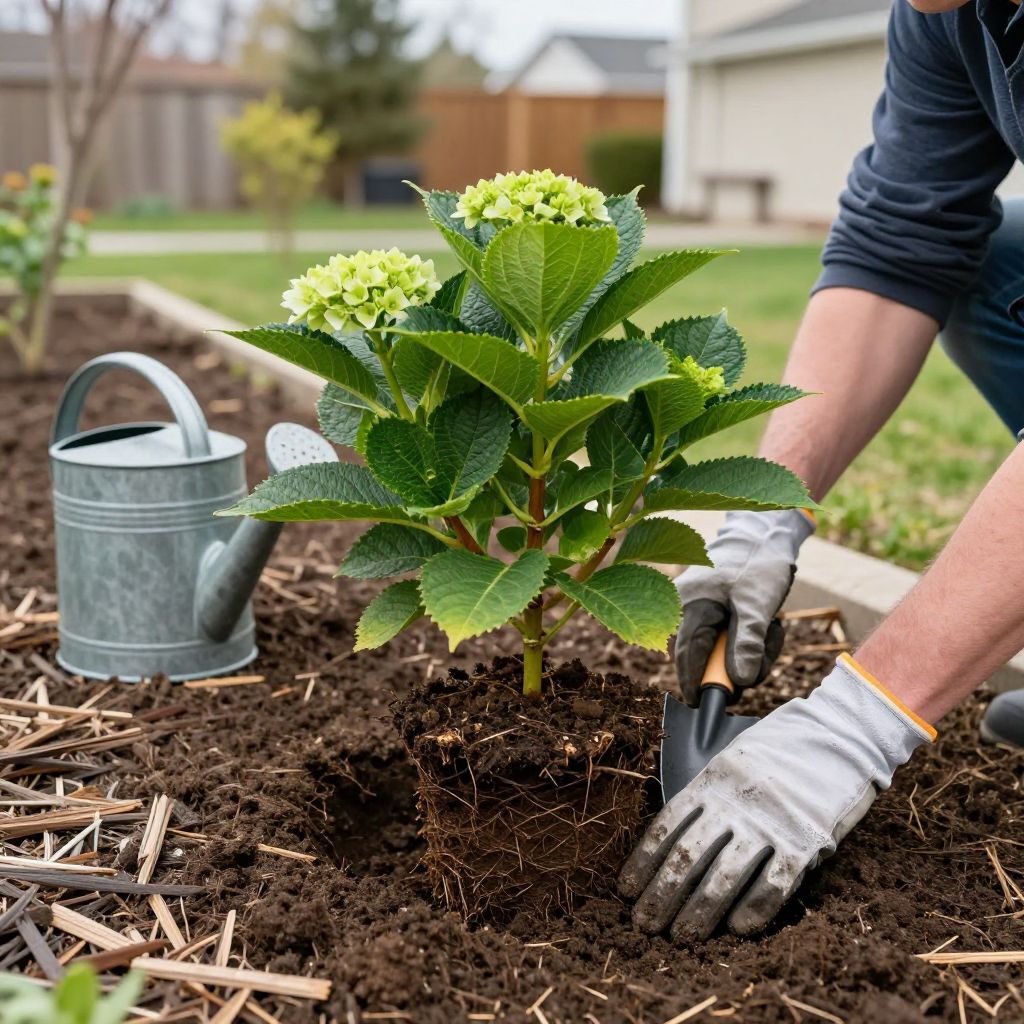
When is the best time to plant hydrangeas? In most gardens, the safest window is spring or early fall, when temperatures are mild and the soil is workable. That timing helps roots settle in before summer heat or winter cold puts stress on the plant.
The exact best time depends on your climate, the type of hydrangea, and whether you are planting a nursery container plant or moving an established shrub. If you match planting time to local conditions, hydrangeas usually establish faster and bloom more reliably.
When is the best time to plant hydrangeas?
The best time to plant hydrangeas is usually spring after the last hard frost or early fall about 6 to 8 weeks before the first expected frost. In cool climates, spring is often safest; in mild climates, fall planting can work very well because roots grow in warm soil without intense summer stress.
Why timing matters for hydrangeas
Hydrangeas are not difficult shrubs, but they dislike being pushed into extreme weather right after planting. Their roots need time to spread into the surrounding soil before the plant has to cope with heat, drought, or freezing conditions.
Planting at the right time reduces transplant shock, improves root growth, and helps the shrub settle in before its first major bloom cycle in your garden.
Spring planting advantages
- Soil is warming and roots begin growing quickly.
- The plant has a full season to establish before winter.
- You can monitor moisture more easily during the growing season.
Fall planting advantages
- Air temperatures are cooler, so leaves lose less moisture.
- Soil is often still warm enough for root growth.
- Plants may need less frequent watering than in midsummer.
How to choose the right planting season for your climate
There is no single calendar date that works everywhere. Your local frost dates, summer heat, rainfall, and soil type all affect the ideal planting window.
Cool or cold climates
If your area has long winters or late spring frosts, plant hydrangeas in spring once the soil has thawed and danger of hard frost has passed. This gives the shrub the longest possible growing season.
Mild climates
In regions with gentle winters, fall planting is often excellent. The shrub can root in through autumn and early winter, then get a head start in spring.
Hot climates
In very warm regions, avoid planting during peak summer heat if you can. Early spring or early fall is usually better, and newly planted hydrangeas may need afternoon shade and extra attention to moisture.
What kind of hydrangea are you planting?
Different hydrangeas share similar planting needs, but some are more forgiving than others. Common garden types include bigleaf hydrangea (Hydrangea macrophylla), panicle hydrangea (Hydrangea paniculata), smooth hydrangea (Hydrangea arborescens), oakleaf hydrangea (Hydrangea quercifolia), and climbing hydrangea (Hydrangea anomala subsp. petiolaris).
For planting time, the basic rule is the same: avoid extreme heat, drought, and frozen ground. If you are unsure which type you have, treat it as a shrub that prefers mild weather and consistent moisture while establishing.
How to plant hydrangeas step by step
Planting correctly matters as much as planting at the right time. A well-planted hydrangea usually settles in faster than one placed too deep or in poorly prepared soil.
- Choose the site. Most hydrangeas do best in morning sun with afternoon shade, or bright filtered light.
- Check the soil. Hydrangeas prefer moist, well-drained soil rich in organic matter.
- Dig a wide hole. Make it about twice as wide as the root ball, but no deeper than the root ball itself.
- Loosen circling roots. Gently tease apart roots if the plant is root-bound.
- Set the plant at the right height. The top of the root ball should sit level with or slightly above the surrounding soil.
- Backfill with native soil. Mix in compost if needed, but do not create a heavily amended “pot” in the ground.
- Water thoroughly. Soak the root zone right after planting.
- Mulch. Add 2 to 3 inches of mulch, keeping it a few inches away from the stems.
Why not plant too deep?
Hydrangeas can struggle if buried below their original soil level. Deep planting can reduce oxygen around the roots and encourage rot, especially in heavy soil.
Soil, drainage, and compost: what hydrangeas need
Hydrangeas like soil that holds moisture but does not stay soggy. If your soil is sandy, compost helps it retain water. If your soil is heavy clay, compost and careful site selection help improve structure and drainage over time.
A good planting hole should never turn into a waterlogged basin. If water sits in the hole for hours after rain, choose a better location or plant on a slight mound to improve drainage.
Best soil conditions
- Rich in organic matter
- Evenly moist, not bone dry
- Well-drained rather than swampy
- Moderately fertile
Compost is helpful, but moderation matters. A small amount mixed into the backfill or spread as mulch is usually better than filling the hole with pure compost.
Watering after planting
Newly planted hydrangeas need consistent moisture while roots establish. The goal is evenly moist soil, not constant saturation.
Check the soil with your finger a few inches down. If it feels dry at root level, water deeply. In hot weather or sandy soil, you may need to check more often; in cool, rainy weather, you may need less.
Signs of under-watering
- Leaves droop during the day and do not recover well at night
- New growth looks weak or scorched
- Soil pulls away from the root ball
Signs of over-watering
- Soil stays wet for long periods
- Leaves yellow and growth slows
- Stems feel soft or the plant declines despite wet soil
Once established, hydrangeas still appreciate regular watering during dry spells, especially in the first couple of growing seasons.
Sunlight and placement
Most hydrangeas bloom best with morning sun and afternoon shade, though some types, especially panicle hydrangeas, tolerate more sun if the soil stays moist. Too much shade can reduce flowering, while too much hot sun can scorch leaves and dry the plant out.
When choosing a site, think about the light your garden gets in midsummer, not just in spring. A spot that looks bright in April may become harsh by July.
Should you plant hydrangeas in containers or in the ground?
Container-grown hydrangeas can be planted in the ground almost any time the soil is workable, but spring and fall are still best. If you are keeping hydrangeas in pots, timing matters even more because containers dry out faster and roots are more exposed to temperature swings.
For potted hydrangeas, use a large container with drainage holes, a moisture-retentive potting mix, and watch watering closely during warm weather.
Common mistakes to avoid
- Planting in midsummer heat without extra water and shade.
- Putting the shrub too deep in the planting hole.
- Ignoring drainage in clay soil or low spots.
- Letting roots dry out before planting.
- Overfertilizing at planting time, which can stress roots.
- Pruning at the wrong time and removing flower buds on types that bloom on old wood.
Pruning and bloom timing
Pruning is not the same as planting, but it affects how well hydrangeas perform after you plant them. Some hydrangeas bloom on old wood, meaning flower buds form on last year’s stems. Others bloom on new wood, meaning they flower on current-season growth.
If you are not sure which type you have, avoid heavy pruning until you know the plant’s blooming habit. Light cleanup of dead or damaged stems is usually safe, but major cuts can reduce flowering.
Simple pruning rule for beginners
Remove only dead, broken, or crossing stems in the first season after planting. Save major shaping until you understand how the shrub grows in your garden.
Pests and diseases to watch for
Healthy hydrangeas are fairly resilient, but newly planted shrubs can be more vulnerable to stress-related problems. Good timing, proper watering, and decent airflow go a long way toward prevention.
Common issues
- Powdery mildew in humid, crowded, or shaded sites
- Leaf spot during wet weather
- Aphids on tender new growth
- Slug damage in damp gardens
Most of these problems are reduced by spacing plants well, watering at the base rather than overhead, and removing fallen leaves that harbor disease.
Can you transplant hydrangeas instead of planting new ones?
Yes, but transplanting is easier when the plant is dormant or the weather is mild. Early spring and early fall are usually the best times to move hydrangeas, much like planting them in the first place.
If you need more detail on moving an established shrub, see when to transplant hydrangeas.
Quick seasonal guide
- Spring: Best for cold climates and for gardeners who want a full season of root growth.
- Early summer: Possible if you can water consistently, but not ideal in hot areas.
- Late summer: Usually avoid unless your climate is mild and rainfall is reliable.
- Fall: Excellent in many regions if planted early enough for roots to establish before frost.
- Winter: Only when soil is workable in very mild climates; avoid frozen or saturated ground.
Conclusion: the best time to plant hydrangeas
If you want the simplest answer to when is the best time to plant hydrangeas, choose spring or early fall and adjust for your local frost dates and summer heat. Give the shrub moist, well-drained soil, partial sun, and steady care during its first season, and it will have the best chance to settle in well.
For more practical help, you may also find this guide useful: when to plant hydrangea.