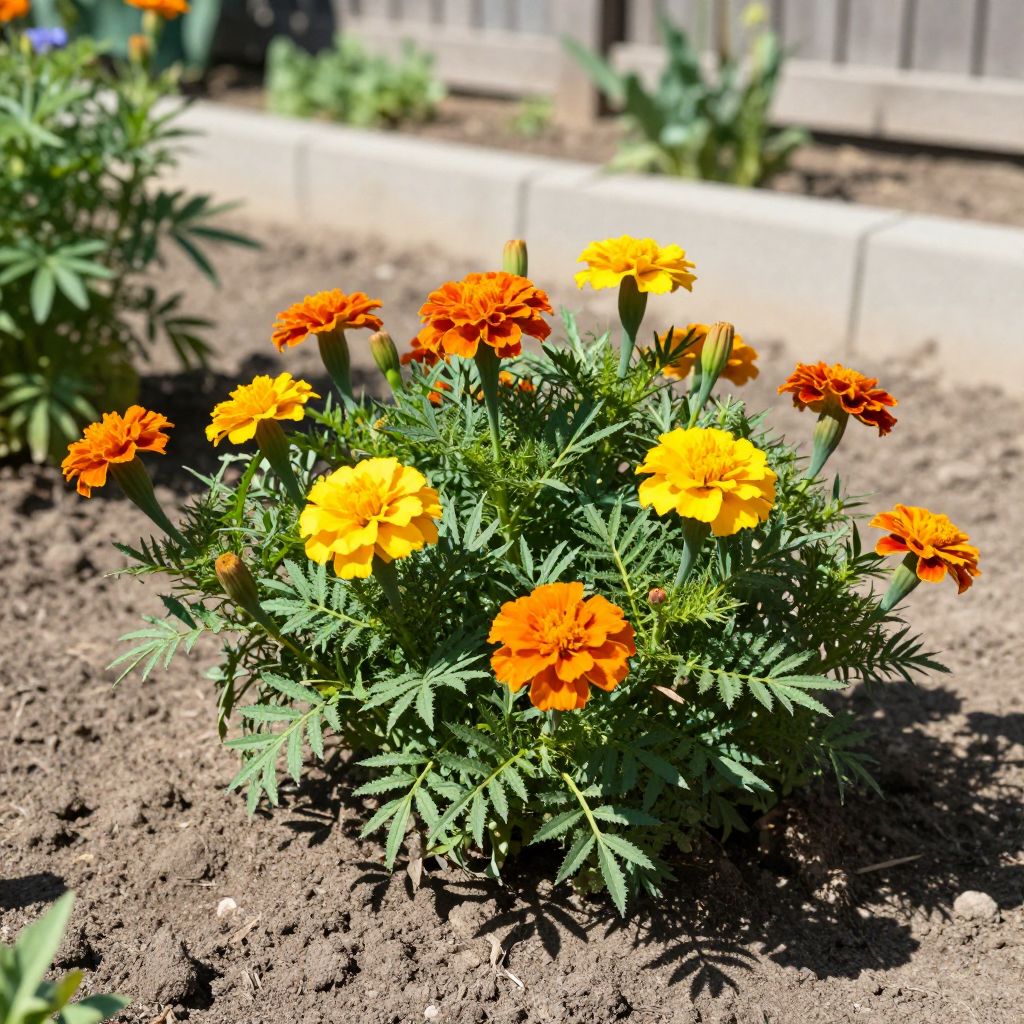
Do marigolds need full sun? In most gardens, yes. Marigolds bloom best with plenty of direct light, and too much shade usually means fewer flowers, leggier growth, and a weaker, less tidy plant.
That said, they can still grow in light shade, especially in very hot climates where afternoon sun is intense. The key is to match the amount of sun to your local conditions and give the plants well-drained soil, regular water, and good airflow.
Do marigolds need full sun?
Marigolds grow and flower best in full sun, which means at least 6 hours of direct sunlight a day. They can tolerate a little light shade, but bloom production drops in lower light. In very hot regions, morning sun with afternoon shade can help plants stay healthier and avoid stress.
How much sun do marigolds really need?
For the best display, aim for 6 to 8 hours of direct sun. More sun usually means more blooms, sturdier stems, and compact growth. If your marigolds get less than 4 hours of direct light, they may still survive, but they often become sparse and flower less.
What happens in too little sun?
- Fewer flowers
- Long, floppy stems
- Paler foliage
- Slower growth
- Higher risk of mildew or rot if the soil stays damp
If you notice these signs, the problem may be light rather than watering or fertilizer. Moving plants to a sunnier spot often improves them faster than any other fix.
Can marigolds handle hot afternoon sun?
Yes, but it depends on your climate and soil moisture. In cooler or moderate climates, marigolds usually love all-day sun. In very hot areas, intense afternoon sun can scorch leaves or dry the soil too quickly, so a little shade after midday may actually help.
Watch the plant, not just the clock. If the leaves wilt every afternoon but recover by evening, that can be normal heat stress. If the plant stays wilted, the soil may be too dry or the roots may be struggling.
Best growing conditions for healthy marigolds
Sunlight matters most, but marigolds also need the right soil and spacing to perform well. They are forgiving plants, which makes them a good choice for beginners, but they still do best with a few basics in place.
Soil and drainage
Marigolds prefer soil that drains well. Heavy, soggy ground can lead to root problems, especially when combined with too little sun.
- Use loose garden soil or a quality potting mix for containers
- Add compost to improve structure and support steady growth
- Avoid planting in spots where water pools after rain
If your soil is clay-heavy, work in compost and consider raised beds or containers. Good drainage is especially important if your site gets morning shade, because damp foliage and slow drying can encourage disease.
Container growing
Marigolds do well in pots if the container gets enough light. Choose a pot with drainage holes and place it where it receives direct sun for most of the day.
- Use a container large enough to hold moisture without staying soggy
- Check pots more often than garden beds, since they dry out faster
- Rotate containers if one side leans toward the light
In containers, lack of sun often shows up quickly as weak stems and fewer blooms. If your patio is partly shaded, try moving the pot to a brighter location before assuming the plant is failing.
How to plant marigolds for the best sun exposure
Plant marigolds where they will not be shaded later by taller crops, fences, shrubs, or nearby structures. A sunny spot in spring can become partly shaded by midsummer if surrounding plants grow larger.
- Choose a site with at least 6 hours of direct sun.
- Prepare soil that drains freely and is enriched with compost.
- Space plants so air can move around them.
- Water after planting to settle the roots.
- Mulch lightly to help the soil hold moisture without staying wet.
For bedding marigolds, give smaller types a bit of room and larger types more space. Crowding can reduce airflow and make the plants more vulnerable to fungal issues, especially if they are already getting only partial sun.
Watering marigolds in full sun
Marigolds in full sun usually need more frequent watering than plants in shade, but they still dislike wet feet. The goal is even moisture, not soggy soil.
What to do
- Water deeply when the top inch or two of soil feels dry
- Water at the base of the plant rather than soaking the foliage
- Adjust more often during hot, windy weather
- Reduce watering if the soil stays damp for several days
Morning watering is often best because it gives plants time to dry before nightfall. If marigolds are in a hot, sunny bed, mulch can help reduce evaporation and keep roots cooler.
Do marigolds bloom better in full sun?
Yes. Blooming is one of the clearest reasons to give marigolds full sun. More light usually means more buds, brighter color, and a longer flowering season. In partial shade, the plant may still grow, but the flower count is usually lower.
How to encourage more flowers
- Deadhead spent blooms regularly
- Keep plants in bright sun
- Avoid overfeeding with high-nitrogen fertilizer
- Remove faded or damaged stems to keep growth tidy
Deadheading matters because marigolds often keep producing when old flowers are removed. This simple task helps the plant put energy into new buds instead of seed production.
Pruning and maintenance in sunny spots
Marigolds usually need only light maintenance, but a little care keeps them full and blooming. In strong sun, plants can dry out quickly, so regular checks are worth it.
Helpful maintenance tasks
- Pinch back young plants if you want a bushier shape
- Remove yellowing leaves to improve appearance and airflow
- Deadhead regularly for continuous bloom
- Watch for stems that lean toward the light and turn the plant if needed
If plants become tall and spindly, the likely cause is not enough sun. Pruning can help the shape, but it will not fully correct weak growth if the light level stays low.
Common problems when marigolds do not get enough sun
When marigolds are planted in too much shade, the symptoms are usually easy to spot. The plant may survive, but it will not look or flower as well as one grown in full sun.
Typical signs and fixes
- Few flowers: move the plant to a brighter location if possible
- Leggy stems: increase sun exposure and pinch back soft growth
- Leaf spots or mildew: improve airflow and avoid overhead watering
- Wilting in afternoon heat: check soil moisture and consider light afternoon shade in hot climates
Sometimes the issue is not just shade but a combination of shade and poor drainage. Marigolds in cool, damp, dim conditions are much more likely to struggle than marigolds in a bright, airy bed.
Pests and diseases to watch for
Marigolds are fairly tough, but no plant is completely problem-free. Sunlight and airflow help reduce many common issues, especially in humid weather.
Common concerns
- Aphids on tender new growth
- Spider mites in hot, dry conditions
- Powdery mildew in crowded or shaded plantings
- Root rot in poorly drained soil
If pests appear, start with simple steps: rinse them off, remove badly affected leaves, and improve growing conditions. Healthy, sun-grown marigolds are usually more resilient than stressed plants in shade.
When partial shade can be useful
Although marigolds are sun lovers, partial shade is not always a bad thing. In very hot regions, a little relief from harsh afternoon sun can help flowers last longer and reduce heat stress.
Morning sun with afternoon shade is often the best compromise in extreme heat. The soil still needs to drain well, and the plants should receive enough direct light to flower well.
Simple sun check before you plant
If you are not sure whether a spot is sunny enough, observe it on a clear day. Light changes through the season, so check more than once if possible.
- Look at the spot in the morning, midday, and late afternoon.
- Count the hours of direct sun, not just bright light.
- Notice whether nearby plants or buildings cast shade later in the day.
- Choose the brightest location available for best flowering.
Direct sun means direct rays hitting the plant. A bright porch, filtered light under a tree, or a reflective wall nearby may help, but it is not the same as full sun.
Conclusion: give marigolds the brightest spot you can
So, do marigolds need full sun? For the best blooms and strongest growth, yes. Give them at least 6 hours of direct sunlight, well-drained soil, and steady care, and they will usually reward you with a long season of color. If your garden is hot, a little afternoon shade may be helpful, but deep shade is not ideal.
If you are planning more marigold care, you may also want to read about whether marigolds come back and whether hummingbirds like marigolds.