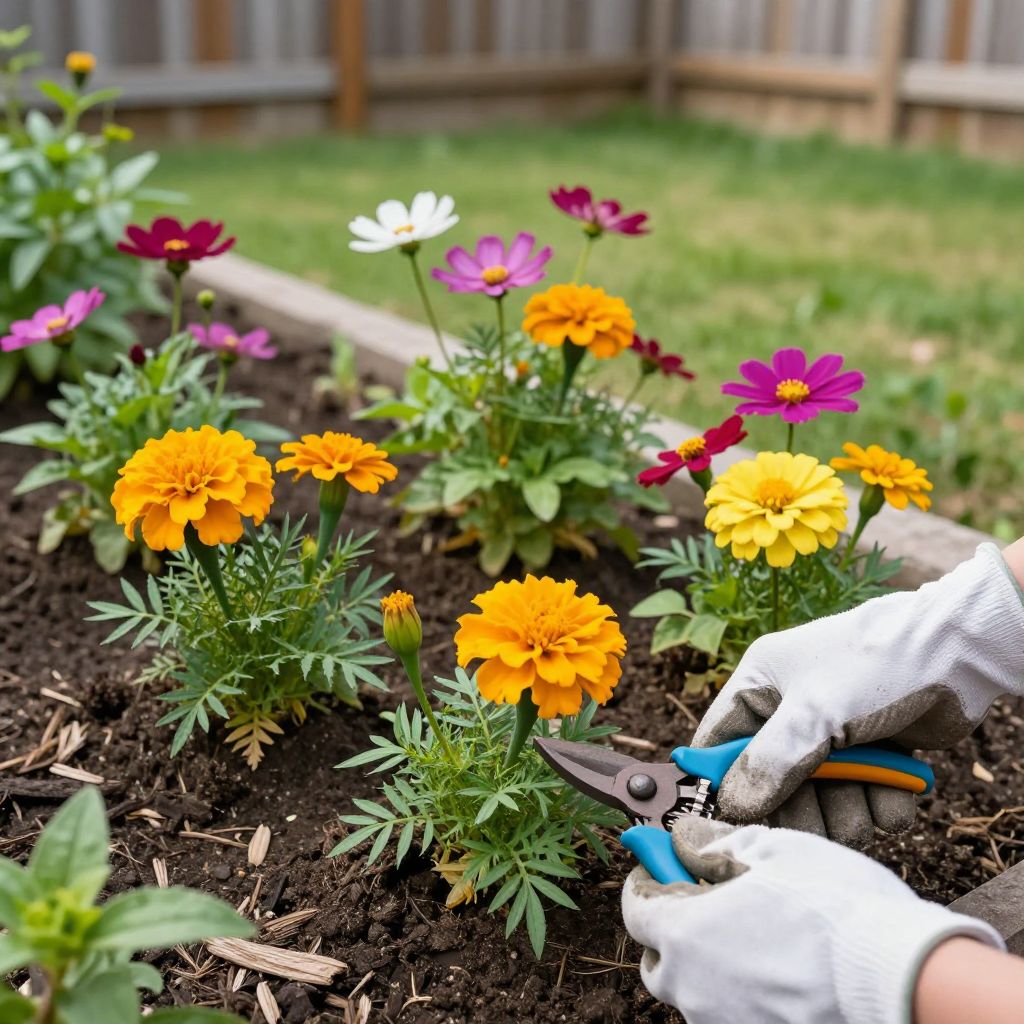
What flowers are easy to grow? If you want a colorful garden without a lot of fuss, the best choices are usually hardy annuals and reliable perennials that tolerate average soil, full sun or part shade, and a little beginner error. The easiest flowers are the ones that germinate readily, establish quickly, and keep blooming with basic care.
Start with plants that match your light, soil, and climate instead of chasing “low-maintenance” labels. A flower that is easy in one yard may struggle in another, so the goal is to choose adaptable plants and give them the right start.
What flowers are easy to grow?
Some of the easiest flowers for beginners include zinnias, marigolds, cosmos, sunflowers, nasturtiums, calendula, sweet alyssum, black-eyed Susans, coneflowers, and daylilies. These plants are generally forgiving about soil, grow quickly from seed or transplants, and reward you with steady blooms when you provide sun, drainage, and moderate watering.
Best easy flowers for beginners
Easy annual flowers
Annuals complete their life cycle in one season, so they often bloom quickly and heavily. They are a great choice if you want fast color.
- Zinnias (Zinnia elegans) — heat-loving, sun-loving, and excellent for cutting.
- Marigolds (Tagetes spp.) — dependable, compact, and tolerant of average garden soil.
- Cosmos (Cosmos bipinnatus) — airy, cheerful flowers that do well in leaner soil.
- Sunflowers (Helianthus annuus) — simple to sow directly and fun for children’s gardens.
- Nasturtiums (Tropaeolum majus) — useful in beds, containers, and hanging over edges.
- Calendula (Calendula officinalis) — cool-season friendly and easy from seed.
- Sweet alyssum (Lobularia maritima) — low-growing, fragrant, and good for borders.
Easy perennial flowers
Perennials return for multiple years, so they are a smart long-term choice once established. Many are low-maintenance after the first season.
- Black-eyed Susan (Rudbeckia hirta and related species) — tough, sunny, and pollinator-friendly.
- Coneflower (Echinacea spp.) — drought-tolerant once established and long-blooming.
- Daylily (Hemerocallis spp.) — adaptable, resilient, and easy to divide.
- Shasta daisy (Leucanthemum × superbum) — classic, simple, and reliable in many gardens.
- Coreopsis (Coreopsis spp.) — bright, long-flowering, and often tolerant of poor soil.
Easy flowers for containers
If you garden on a patio or balcony, choose flowers that stay compact and handle container conditions well.
- Marigolds
- Nasturtiums
- Sweet alyssum
- Compact zinnias
- Geraniums (Pelargonium spp.) in bright, sheltered spots
How to choose the easiest flowers for your garden
The easiest flowers are the ones suited to your site. Before you buy seeds or plants, check sunlight, drainage, and how much time you want to spend on maintenance.
Match flowers to sunlight
- Full sun means at least 6 hours of direct light daily. Zinnias, marigolds, cosmos, sunflowers, coneflowers, and black-eyed Susans usually perform best here.
- Part shade means 3 to 6 hours of sun. Sweet alyssum, some begonias, and a few woodland perennials can work better in these spots.
Check your soil and drainage
Most easy flowers prefer soil that drains well. If water sits after rain, roots may rot or plants may struggle even if they are “easy.”
- Loosen compacted soil before planting.
- Mix in compost to improve structure and moisture balance.
- Avoid planting in low spots that stay soggy.
Choose based on your climate
Warm-season flowers such as zinnias and sunflowers usually need warm soil and frost-free conditions. Cool-season flowers such as calendula and sweet alyssum often do better in cooler weather and may fade in intense summer heat.
How to plant easy flowers successfully
Good planting is the difference between a flower that struggles and one that thrives. Whether you start from seed or buy transplants, give roots a healthy start.
- Prepare the bed by removing weeds and loosening the top 6 to 8 inches of soil.
- Work in compost if the soil is poor, heavy, or sandy.
- Plant at the right depth according to the seed packet or nursery label.
- Water gently after planting so the soil settles around the roots or seeds.
- Mulch lightly around transplants to help hold moisture and reduce weeds, but keep mulch off stems.
Seed sowing tips
- Sow large seeds like sunflowers and nasturtiums directly where they will grow.
- Press tiny seeds like alyssum onto the soil surface if the packet says they need light to germinate.
- Keep seedbeds evenly moist, not soaked, until seedlings appear.
Transplanting tips
Set nursery plants into the ground at the same depth they were growing in the pot unless the plant label says otherwise. Water after planting and check them often during the first few weeks while roots spread.
Care basics for easy flowers
Watering
Most easy flowers prefer deep, less frequent watering over light daily sprinkles. The goal is to moisten the root zone, then let the top layer dry slightly before watering again.
- Water newly planted flowers more often until they are established.
- In containers, check moisture more frequently because pots dry out faster than garden beds.
- Water at the base of plants when possible to help reduce leaf disease.
Feeding
Many beginner-friendly flowers do not need heavy feeding. Too much fertilizer can create lush leaves and fewer blooms.
- Use compost as a gentle, steady soil amendment.
- If needed, use a balanced fertilizer according to the product label and your plant type.
- Skip extra feeding for flowers growing well in rich soil.
Deadheading and pruning
Removing faded flowers often encourages more blooms and keeps plants tidy. This is especially helpful for marigolds, zinnias, cosmos, and many perennials.
- Pinch or snip off spent blooms just above a leaf joint.
- Cut back leggy annuals lightly to encourage branching.
- Trim damaged or diseased stems promptly.
Common problems and how to fix them
Few blooms
If a flower is healthy but not blooming well, the issue is often light, too much nitrogen, or overcrowding.
- Move sun-loving flowers to a brighter spot if possible.
- Reduce high-nitrogen fertilizer.
- Thin crowded seedlings so each plant has room to grow.
Leggy growth
Long, floppy stems usually mean the plant is stretching for light.
- Give the plant more sun.
- Pinch back some annuals to encourage bushier growth.
- Support taller flowers with stakes if needed.
Yellowing leaves
Yellow leaves can come from overwatering, poor drainage, nutrient issues, or natural aging.
- Check soil moisture before watering again.
- Make sure the planting area drains well.
- Remove old lower leaves if the rest of the plant looks healthy.
Pests and disease
Easy flowers are not trouble-free, but a few habits reduce problems.
- Watch for aphids, slugs, and spider mites.
- Space plants so air can move through the foliage.
- Remove fallen leaves and spent flowers that may harbor disease.
- Inspect the undersides of leaves regularly, especially during warm, dry weather.
Best flowers for different beginner goals
If you want fast color
Choose zinnias, marigolds, cosmos, or sunflowers. These grow quickly and can fill a bed in one season.
If you want low maintenance
Try coneflowers, black-eyed Susans, daylilies, and coreopsis. Once established, they usually need less attention than many annuals.
If you want flowers for cutting
Zinnias, cosmos, sunflowers, and Shasta daisies are dependable choices for simple bouquets.
If you want pollinator-friendly flowers
Coneflowers, black-eyed Susans, calendula, and cosmos can help support bees and other beneficial insects.
Simple mistakes to avoid
- Planting sun-loving flowers in too much shade.
- Overwatering, especially in heavy soil or containers without drainage holes.
- Using too much fertilizer and getting leaves instead of flowers.
- Ignoring spacing, which can lead to mildew and poor airflow.
- Starting too early outdoors before the soil warms or frost risk has passed.
Conclusion
If you are wondering what flowers are easy to grow, start with a few proven choices like marigolds, zinnias, cosmos, coneflowers, and black-eyed Susans. Match them to your light and soil, plant them well, and keep care simple: water wisely, deadhead when needed, and watch for problems early. For more ideas, you may also find flowers that bloom in early spring and purple flowers for the garden helpful as you plan your beds.