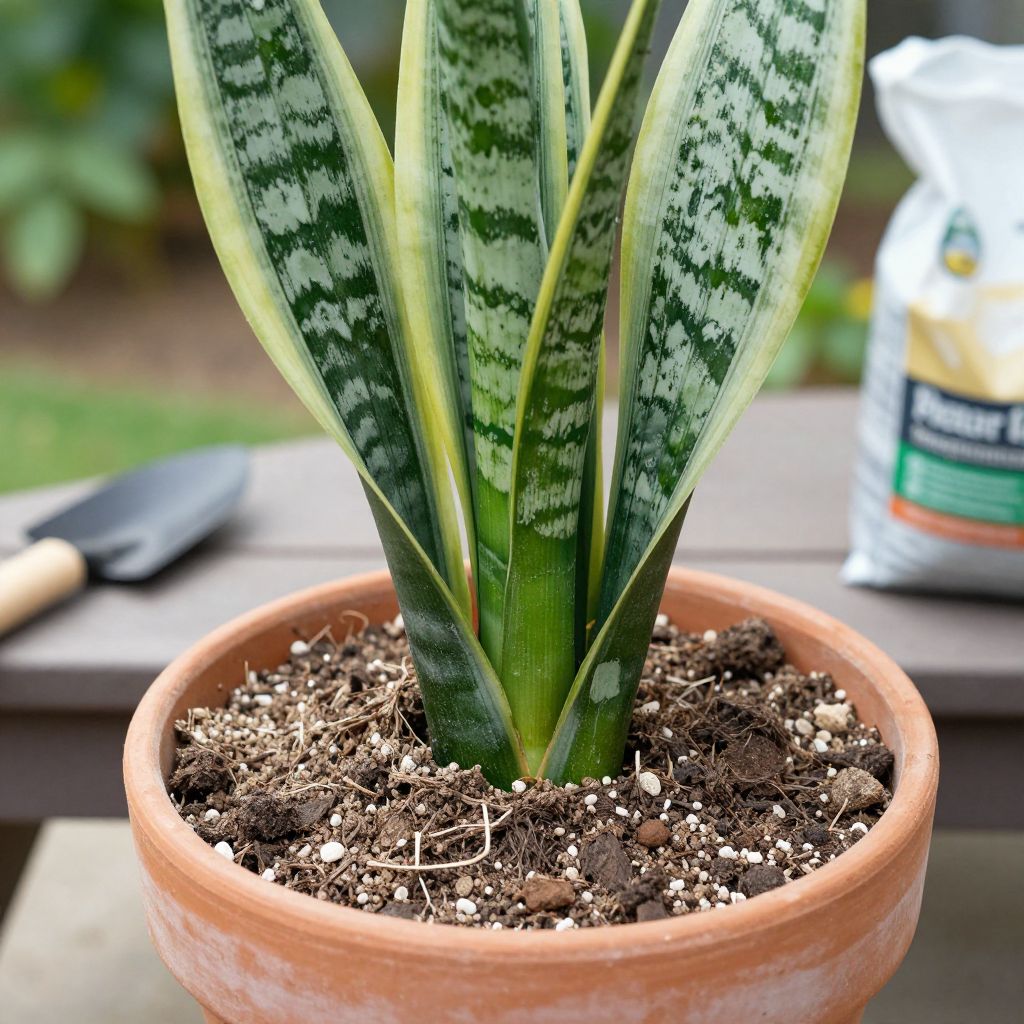
What kind of soil does a snake plant need? The short answer is a fast-draining, airy potting mix that dries out between waterings. Snake plants, also called Dracaena trifasciata (formerly Sansevieria), are prone to root rot in heavy, water-holding soil, so the goal is to give roots plenty of oxygen and prevent soggy conditions.
If you choose the right mix from the start, your snake plant is much easier to care for. The best soil supports healthy roots, reduces overwatering problems, and helps the plant stay upright and resilient indoors or outdoors in suitable climates.
What kind of soil does a snake plant need?
Snake plants need a loose, well-draining soil mix with a gritty or chunky texture. A good blend usually contains potting soil plus drainage materials such as perlite, pumice, coarse sand, or orchid bark. The mix should dry fairly quickly after watering and never stay wet for long.
Why drainage matters so much
Snake plants store water in their thick leaves and rhizomes, so they do not need moisture-rich soil. In dense soil, roots sit in excess water, lose access to oxygen, and begin to rot.
Root rot is the most common soil-related problem with snake plants. If the potting mix stays damp for days, the plant may show yellowing leaves, soft bases, or a mushy smell from the soil.
What bad soil looks like
- Heavy garden soil that compacts easily
- Mixes with too much peat or coco coir and little aeration
- Fine-textured soil that stays wet after watering
- Containers without drainage holes
Best soil ingredients for snake plants
A snake plant does best in a mix that balances moisture retention with air flow. You want enough organic matter to hold a little water and nutrients, but enough coarse material to keep the roots from sitting in wet soil.
Good components to use
- Quality indoor potting mix as the base
- Perlite for lightweight drainage and aeration
- Pumice for long-lasting structure and airflow
- Coarse sand in small amounts for drainage
- Orchid bark or fine bark chips for extra chunkiness
A simple DIY mix
For many home gardeners, a practical starting point is:
- 2 parts potting mix
- 1 part perlite or pumice
- 1 part coarse sand or fine bark
This is not the only workable formula, but it is a reliable, beginner-friendly blend for most indoor snake plants. If your home is humid or you tend to overwater, increase the drainage material a little more.
Can you use cactus soil for snake plants?
Yes, cactus or succulent soil often works well for snake plants because it is usually designed to drain quickly. However, some cactus mixes are very light and may dry out too fast in hot, sunny rooms or in small pots.
If a cactus mix seems too airy or sparse, improve it by adding a little quality potting soil or a small amount of composted material. The goal is a mix that drains fast but still gives the plant some support and nutrients.
Should you add compost to snake plant soil?
You can add a small amount of compost, but use it carefully. Snake plants do not need rich soil, and too much compost can hold extra moisture and make the mix too dense.
If you want to enrich the soil, keep compost to a modest portion of the total mix and pair it with perlite or pumice. Well-finished compost is better than fresh organic material, which can stay wet and break down unevenly in a pot.
When compost is useful
- Refreshing an older potting mix during repotting
- Improving a very poor, depleted mix
- Supporting a plant that has been in the same pot for a long time
Pot choice matters as much as soil
Even the best soil can fail in the wrong container. Snake plants should be grown in pots with drainage holes so excess water can escape freely.
Terracotta is often a good choice because it helps the mix dry more evenly. Plastic pots can also work, but they hold moisture longer, so you need to be more careful with watering and soil texture.
Best container features
- Drainage holes at the bottom
- A pot only slightly larger than the root ball
- Stable weight for tall, upright leaves
- Enough depth for rhizomes, but not excessive extra space
How to repot a snake plant into the right soil
Repotting is a good time to correct poor soil, check the roots, and move the plant into a better draining container. Snake plants usually prefer being slightly snug in their pots, so do not rush to move them into a much larger container.
- Choose a pot with drainage holes that is only 1 to 2 inches wider than the current one.
- Prepare a loose, fast-draining mix before removing the plant.
- Gently lift the plant and inspect the roots and rhizomes.
- Trim away any soft, black, or rotten roots with clean scissors.
- Set the plant at the same depth it was growing before.
- Fill around the roots with fresh mix and lightly firm it in place.
- Wait a few days before watering if the roots were disturbed or trimmed.
Do not bury the crown too deeply. Snake plants can rot if the base of the leaves sits below the soil line or stays constantly damp.
How soil affects watering
The right soil changes how often you water, because drainage and drying speed are closely linked. In a well-draining mix, you can water thoroughly and then let the soil dry before watering again.
Instead of watering on a fixed schedule, check the soil first. Insert a finger a couple of inches into the pot, or lift the pot to judge its weight. If the soil still feels cool or damp, wait longer.
Signs the soil is too wet
- Leaves turning yellow or soft near the base
- Soil staying wet for many days
- Musty smell from the pot
- Mushy roots or rhizomes during repotting
Signs the soil is too dry or too coarse
- Leaves wrinkling or looking slightly shriveled
- Water running straight through without soaking in
- Mix drying out extremely fast in a hot room
If water runs straight through, the mix may be too coarse or the root ball may have become hydrophobic. In that case, water slowly in stages so the soil has time to absorb moisture.
Indoor vs. outdoor soil needs
Most snake plants are grown indoors, where light levels are lower and soil dries more slowly than outside. Indoor plants usually need a very airy mix to offset slower evaporation.
Outdoor snake plants, where climate allows, may face more rain and stronger sun. In that setting, drainage becomes even more important, and the plant should be protected from prolonged wet weather and cold temperatures.
Outdoor growing cautions
- Use raised beds or containers rather than heavy ground soil in wet areas
- Avoid spots where rainwater pools
- Bring containers under cover during extended rain if needed
- Use a gritty mix that drains quickly after storms
Common soil mistakes to avoid
Many snake plant problems come from trying to treat it like a thirsty houseplant. It is better to err on the side of a lighter, faster-draining mix than a rich, moisture-heavy one.
- Using garden soil alone, which compacts in pots
- Choosing a pot without drainage holes
- Overloading the mix with compost or peat
- Repotting into a container that is too large
- Watering before the soil has dried adequately
If your plant has already been potted in the wrong soil, you do not need to panic. Repotting into a better mix is often the simplest fix, especially if the roots are still firm and healthy.
How to tell if your mix is working
A healthy snake plant in the right soil should look upright, firm, and steadily growing during its active season. New leaves may appear slowly, but the plant should not show signs of collapse, rot, or constant stress.
After watering, the soil should become evenly moist and then dry out within a reasonable period for your home’s light, temperature, and humidity. If it stays wet too long, add more drainage material next time you repot.
Quick soil checklist for snake plants
- Fast-draining potting mix
- Extra aeration from perlite, pumice, or bark
- Container with drainage holes
- Pot only slightly larger than the roots
- Water only after the mix has dried partway or fully, depending on conditions
Conclusion
The best answer to what kind of soil a snake plant needs is simple: a loose, gritty, well-draining mix that never stays soggy. If you give it airy soil, a draining pot, and careful watering, your snake plant will be far less likely to rot and much easier to maintain.
For more help with snake plant care, you may also want to read about choosing the best soil mix for snake plants and how much sunlight snake plants need.