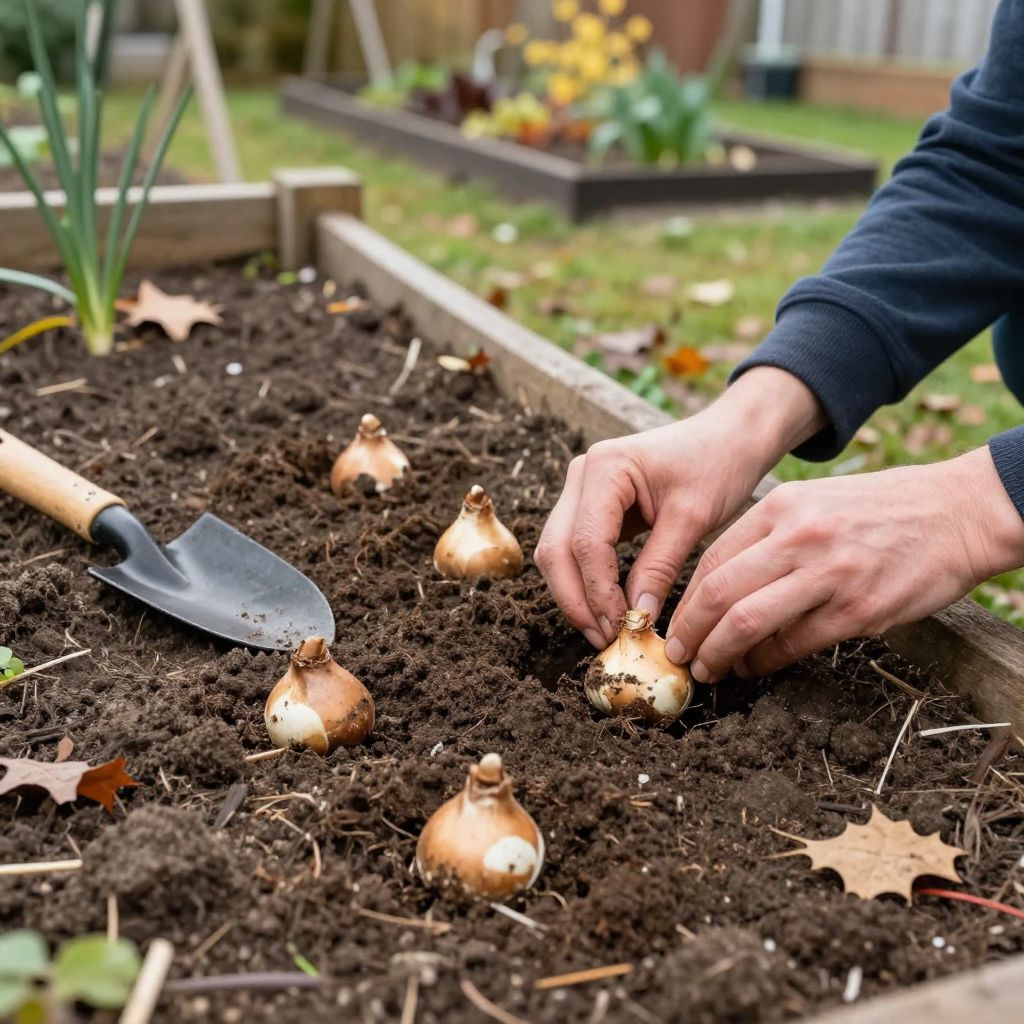
Wondering when to plant saffron bulbs so you get the best fall flowers and the highest chance of a useful harvest? The timing matters more than many gardeners realize. Saffron crocus bulbs are planted in late summer to early autumn in most climates, but the exact window depends on your local temperatures, soil drainage, and whether you’re growing them in the ground or in containers.
Plant them too early in hot soil and they may struggle; plant them too late and they may not establish before flowering season. The good news is that saffron crocus is manageable for beginners if you give it sharp drainage, plenty of sun, and the right planting depth.
When to plant saffron bulbs?
Plant saffron bulbs, or corms of Crocus sativus, in late summer to early fall, typically about 6 to 8 weeks before your area’s first expected hard frost. The goal is to let the corms root in cool soil before flowering in autumn. In warmer climates, planting can be a little later; in cooler regions, earlier fall planting is often safer.
Understanding the best planting window
Saffron crocus behaves differently from spring-flowering crocus. It blooms in autumn, so the corms need enough time to settle in after planting but not so much heat that they dry out or rot.
General timing by climate
- Cooler climates: plant in late August to early September if your soil is still workable.
- Temperate climates: plant in September to early October.
- Mild winter climates: plant in early to mid-autumn, once extreme heat has passed.
If you are unsure, use your local frost date as a guide and count backward about 6 to 8 weeks. That usually gives saffron corms enough time to establish roots before flowering.
Why timing matters
Saffron crocus needs a cool-down period to trigger growth and bloom. Planting at the right time helps the corms root well, reduces rot risk, and improves flowering. If the soil stays hot and wet after planting, the corms are more likely to decline.
How to choose the right planting site
Saffron crocus performs best in full sun and very well-drained soil. A site that dries out quickly after rain is far better than a rich but soggy bed.
Ideal growing conditions
- Sunlight: at least 6 hours of direct sun daily.
- Soil: loose, sandy, or loamy soil with excellent drainage.
- pH: slightly alkaline to neutral is usually suitable.
- Air circulation: good airflow helps reduce fungal problems.
Heavy clay soil is one of the biggest reasons saffron bulbs fail. If your ground holds water, grow them in raised beds or containers instead of trying to force them into a wet site.
Improving poor soil
Work in coarse sand, grit, or well-finished compost only if it helps the soil drain better. Avoid overloading the bed with fresh manure or overly rich organic matter, which can encourage rot rather than healthy flowering.
How to plant saffron bulbs correctly
Planting depth and spacing are simple, but they matter. Saffron corms are small enough to plant in groups, yet they need room to multiply over time.
- Choose firm, healthy corms with no soft spots, mold, or damage.
- Prepare a sunny, free-draining bed or container.
- Plant corms about 3 to 4 inches deep.
- Space them roughly 3 to 4 inches apart.
- Set them with the pointed side up if it is obvious; if not, plant them on their side.
- Water lightly after planting to settle the soil.
In containers, use a pot with drainage holes and a gritty potting mix. A broad, shallow container often works well because saffron corms can be planted fairly close together.
Container planting tips
- Use a pot at least 6 to 8 inches deep.
- Choose a free-draining mix, not heavy garden soil.
- Keep the pot in full sun outdoors.
- Protect containers from prolonged winter wet if your climate is rainy.
Watering after planting
Water saffron bulbs sparingly. They need moisture to root, but too much water is a common cause of failure. After the initial watering, let the soil dry slightly before watering again.
Once the plants are established and growing, keep the soil evenly moist but never saturated. In many climates, natural autumn rainfall is enough, especially in the ground. Containers usually dry faster and need closer attention.
Signs you are overwatering
- Soil stays wet for days after watering
- Leaves or emerging shoots look weak and yellow
- Corms soften or smell musty when disturbed
If your garden tends to stay damp, reduce watering and improve drainage before planting more corms.
What to expect after planting
After planting in late summer or early autumn, roots begin forming first. Flowers usually appear in fall, often before or around the time the foliage is fully established. The narrow leaves then continue gathering energy for the corms.
Flowering and foliage cycle
Do not cut the leaves too early. The foliage helps replenish the corms for the following season. Let it yellow naturally before removing it.
Because saffron crocus is a fall-flowering bulb, the growth pattern may look unusual if you are used to spring bulbs. The flowers can appear suddenly, and the leaves may continue afterward.
How to harvest saffron
If you are growing saffron for the spice, harvest the flowers as soon as they open. Pick them in the morning while the blooms are fresh, then remove the red stigmas carefully.
Harvesting basics
- Pick flowers on the day they open for best quality.
- Gently remove the stigmas from each bloom.
- Dry them thoroughly before storing.
Harvesting is easiest when you check the planting area daily during bloom time. Flowers may open quickly and fade fast, especially in warm weather.
Common mistakes to avoid
Most saffron-growing problems come from timing, moisture, or soil conditions rather than from the corms themselves. Avoid these frequent errors:
- Planting in waterlogged soil: this is one of the fastest ways to lose corms.
- Planting too late: corms may not root well before flowering.
- Overfertilizing: too much nitrogen can push leafy growth at the expense of flowers.
- Too much shade: reduced sun usually means fewer blooms.
- Leaving corms crowded for too long: overcrowding can reduce flowering over time.
Problems, pests, and disease
Saffron crocus is not usually difficult, but it can suffer if conditions are wrong. The biggest threats are rot, rodents, and poor drainage.
Rot and fungal issues
Soft, discolored corms often mean rot. The best prevention is dry, well-drained soil and careful watering. If a corm fails, remove it promptly so nearby corms are less likely to be affected.
Rodents and wildlife
In some gardens, squirrels, voles, or mice may dig up corms. Planting in wire baskets or using raised beds can help protect them.
Leaf problems
Yellowing leaves can be normal at the end of the season, but early yellowing may indicate excess moisture, poor drainage, or nutrient imbalance. Check the soil before assuming the plant needs more fertilizer.
Do saffron bulbs need lifting or dividing?
Yes, over time the corms multiply and can become crowded. When flowering declines, lift and separate the corms after the foliage has died back. Replant the healthiest ones in fresh, well-drained soil.
This is also a good time to inspect for damage or rot. Replant only firm, healthy corms and discard any that are soft or moldy.
Best practice for different gardeners
Your local climate should guide your planting approach. Saffron crocus can be grown successfully in many regions, but the details change depending on winter wetness, summer heat, and soil type.
If you garden in a rainy climate
Prioritize raised beds, containers, or a naturally dry slope. Planting in heavy ground is risky unless drainage is excellent.
If you garden in a hot-summer climate
Plant after the worst heat has passed, but early enough for roots to form before bloom time. A little afternoon shade can help in very intense sun, though full sun is still ideal in most places.
If you garden in containers
Containers give you control over drainage and placement. They are a smart choice if your soil stays wet or your garden is small.
Simple checklist before you plant
- Wait for late summer or early fall in your area
- Choose a sunny, free-draining site
- Use firm, healthy corms
- Plant 3 to 4 inches deep and 3 to 4 inches apart
- Water lightly, then avoid soggy soil
- Let foliage die back naturally after flowering
Conclusion
If you want the best results, plant saffron bulbs in late summer to early fall, when the soil is still workable but no longer hot. Give them sun, sharp drainage, and light watering, and they can reward you with autumn flowers and a valuable harvest. Check your local frost date, prepare the bed now, and plant as soon as conditions are right.
For more bulb timing guidance, you may also find these related articles helpful: when to plant crocus bulbs and when to plant daffodil bulbs.