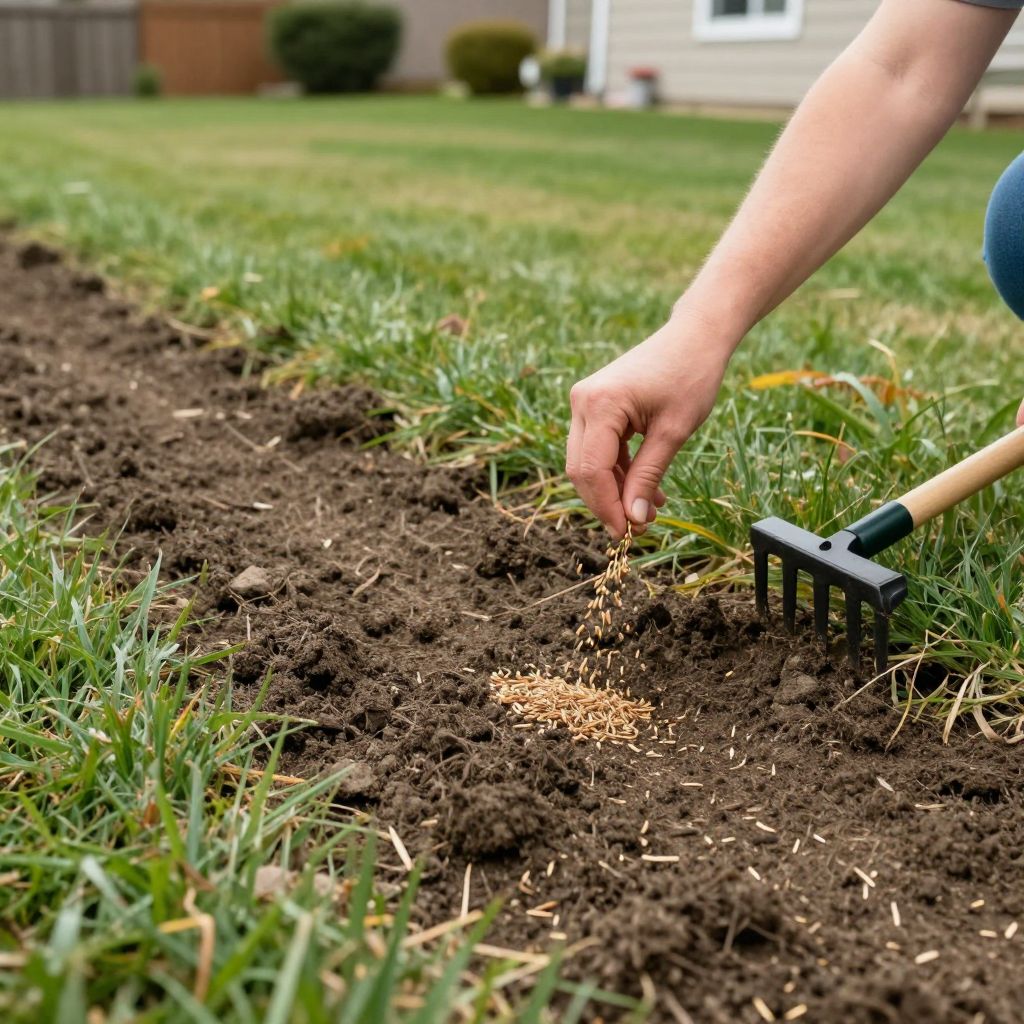
When can I plant grass seed? The best time is usually when temperatures are mild, moisture is reliable, and weeds are less aggressive—often early fall for cool-season grasses and late spring to early summer for warm-season grasses. The exact timing depends on your climate, grass type, and whether you can keep the seedbed evenly moist.
If you seed at the right time, grass germinates faster, roots better, and is less likely to fail from heat, drought, or competition. If you seed at the wrong time, you may still get some growth, but you will work much harder for thinner, patchier results.
When can I plant grass seed?
You can plant grass seed when soil temperatures and weather match the grass type you’re growing. Cool-season grasses do best in early fall or spring, while warm-season grasses are usually planted in late spring through early summer after frost risk has passed and the soil has warmed.
Know your grass type before you choose a date
The most important timing decision is whether you are planting a cool-season or warm-season lawn. Different grasses germinate and establish best under different temperature ranges, so the “right” planting window changes with the species.
Cool-season grasses
Cool-season grasses such as Kentucky bluegrass, perennial ryegrass, fine fescues, and tall fescue generally establish best in early fall. Fall offers warm soil, cooler air, fewer weed problems, and more consistent moisture.
Spring can work too, but seedlings often face summer heat before they are fully rooted. If you must seed in spring, do it as early as possible so the lawn has time to mature before hot weather arrives.
Warm-season grasses
Warm-season grasses such as bermudagrass, zoysia, centipedegrass, and St. Augustinegrass are usually planted in late spring to early summer. These grasses need warm soil to germinate and grow strongly.
Planting too early, when soil is still cool, can lead to slow sprouting, rot, or weak seedlings. Wait until frost danger has passed and nights are staying mild.
How to tell when your soil is ready
Weather calendars are helpful, but soil conditions matter more than the date on the calendar. Grass seed germinates best when the seedbed is warm enough, moist enough, and not waterlogged.
- Soil temperature: Cool-season seed often germinates well when soil is roughly 50–65°F. Warm-season seed usually prefers about 65–75°F or warmer.
- Moisture: The top inch of soil should be evenly moist, not dusty dry and not soggy.
- Drainage: Water should soak in rather than sit on the surface.
- Sunlight: Most lawn grasses need at least several hours of sun, though some fescues tolerate partial shade better than others.
If you don’t have a soil thermometer, use local planting cues: for cool-season grasses, seed when daytime highs begin to cool and evenings are comfortable; for warm-season grasses, wait until the soil feels distinctly warm and the garden is actively growing.
Best planting windows by season
Early fall: the top choice for many lawns
For cool-season lawns, early fall is usually the best answer to “when can I plant grass seed?” The soil is still warm from summer, which speeds germination, but cooler air reduces stress on young grass.
Fall also tends to have fewer annual weeds competing with your seedlings. That means less mowing, less herbicide pressure, and a better chance of building a thick lawn before winter.
Spring: possible, but less forgiving
Spring seeding can work for both cool-season and some warm-season grasses, but it comes with trade-offs. Cool-season seedlings may struggle once summer heat arrives, and warm-season seed may not germinate well if the soil is still cool.
If you seed in spring, keep the area consistently moist and avoid heavy foot traffic. Plan for extra weed control and be ready to protect young grass from drying out quickly.
Late spring to early summer: ideal for warm-season grasses
Warm-season grasses need heat to get moving. Planting in late spring or early summer gives them the warm soil and long days they need to establish before the hottest part of the season.
Do not rush this window. If nighttime temperatures are still dropping sharply or frost is still possible, wait a little longer.
How to prepare the lawn for seed
Good preparation matters as much as timing. Grass seed needs close contact with soil, steady moisture, and a clean seedbed to germinate evenly.
- Clear the area. Remove rocks, sticks, dead grass, and thick thatch.
- Loosen the top layer. Rake or lightly till the top 1 to 2 inches of soil so seed can settle in.
- Improve poor soil. Mix in a thin layer of compost if the soil is compacted or low in organic matter.
- Level low spots. Fill depressions where water may collect and drown seedlings.
- Rake smooth. Create a fine, even surface for better seed-to-soil contact.
If your soil is very heavy clay or very sandy, compost can help improve structure. Use enough to enrich the surface, but do not bury the area under a thick layer that prevents seed from reaching soil.
How to plant grass seed correctly
Once you’ve chosen the right time, planting technique makes a big difference. Uneven spreading, poor coverage, and shallow watering are common reasons new lawns fail.
- Measure the area so you know how much seed you need.
- Spread seed evenly with a hand spreader or broadcast spreader.
- Lightly rake so some seed is nestled into the soil surface.
- Press seed in with a lawn roller or by walking over boards if needed for good contact.
- Apply a thin mulch such as clean straw if the area dries out quickly or is exposed to wind.
Do not bury grass seed deeply. Most lawn seed should be very near the soil surface, because seedlings need light access and easy emergence. A light covering is enough.
Watering after seeding
New grass seed fails most often because the surface dries out before germination finishes. The goal is to keep the top layer consistently moist, not saturated.
- Water lightly and frequently at first if the weather is dry.
- Keep the seedbed moist until germination is underway.
- Gradually shift to deeper, less frequent watering once seedlings are established.
Exact watering frequency depends on sun, wind, soil type, and temperature. A sunny slope may dry much faster than a shaded, level bed, so adjust as needed. If the surface crusts over or turns pale, it is too dry.
Common mistakes to avoid
- Planting too early. Cold soil slows germination and can rot seed.
- Planting too late. Seedlings may not establish before heat, frost, or drought.
- Using too much seed. Crowding can create weak, thin grass.
- Letting the seedbed dry out. Even a short dry spell can stop germination.
- Applying weed killer at the wrong time. Some herbicides can interfere with seed germination or damage young grass.
- Ignoring drainage issues. Standing water can wash seed away or cause poor sprouting.
Troubleshooting poor germination
Seed is not sprouting
If nothing appears after the expected germination window, check soil temperature, moisture, and seed age. Old seed, dry soil, or cool conditions are the most common causes.
Seedlings are patchy
Patchy growth often means the seed was spread unevenly, birds removed some seed, or certain areas dried faster than others. Overseed thin spots once the first round has started growing and conditions are still suitable.
Young grass turns yellow or brown
Seedlings can discolor from drought stress, poor drainage, or foot traffic. Keep traffic off the area, water more consistently, and inspect for compacted soil or low spots that hold water.
Weeds appear with the grass
Weeds are common in new lawns, especially if you seed in spring. Mow only when the grass is tall enough, and avoid aggressive weed control until the new lawn is established and the product label says it is safe for young turf.
How long before you can mow or use the lawn?
Wait to mow until the new grass is tall enough to cut without pulling out of the soil. A good rule is to let it reach about one-third taller than your target mowing height before the first cut.
Keep traffic light until the lawn has filled in and rooted well. Even if the grass looks green, it may still be fragile underneath.
When to reseed bare spots
Small bare patches can be reseeded during the same seasonal window as a full lawn, as long as the soil is workable and temperatures fit the grass type. Bare spots often dry out faster than larger areas, so they may need extra attention.
Before reseeding, loosen the soil, remove dead material, and make sure the area is not compacted. A thin compost topdressing can improve contact and help retain moisture.
Simple rule of thumb
If you want the shortest answer to when can I plant grass seed, use this:
- Cool-season grass: seed in early fall, or early spring if necessary.
- Warm-season grass: seed in late spring to early summer after frost danger has passed.
- Always: seed when soil is workable, moisture is manageable, and you can keep the surface evenly damp.
Choose the season that matches your grass type, prepare the soil well, and keep the seedbed moist until the new grass is established. For more timing guidance, you may also want to read when to plant grass and the best time to plant grass.