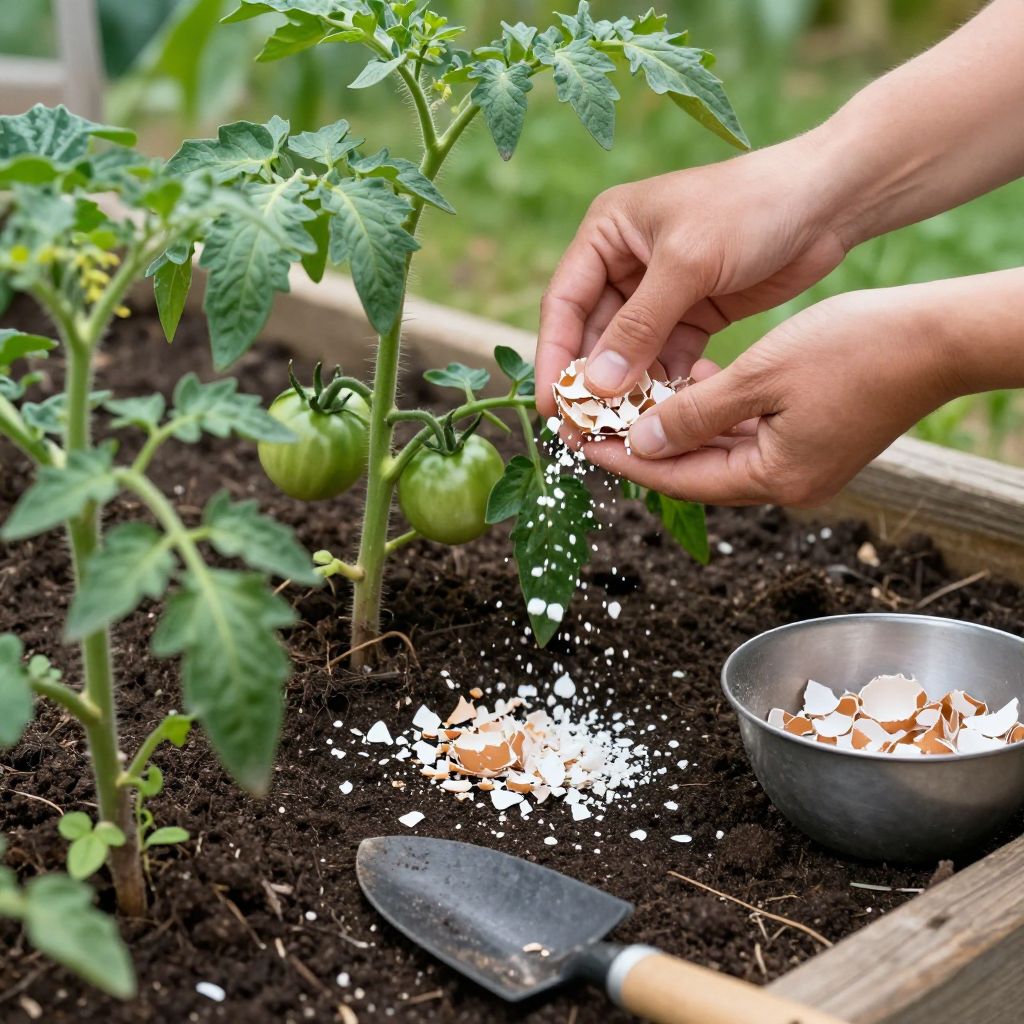
What plants benefit from eggshells? The short answer is that eggshells can help plants that like a little extra calcium in the soil, but they work slowly and are not a complete fertilizer. They are most useful as a soil amendment, compost ingredient, or pest-deterrent helper rather than a quick plant food.
If you use them correctly, eggshells can support healthy growth in vegetables, herbs, and ornamentals that prefer well-balanced soil. The key is knowing when they help, when they do very little, and how to prepare them so they actually break down.
What plants benefit from eggshells?
Plants that may benefit from eggshells include tomatoes, peppers, eggplants, brassicas, lettuce, spinach, beans, and many flowering plants growing in calcium-poor soil. Eggshells add calcium very slowly, so they are most useful when your soil is already close to balanced and you want a gentle amendment, not a fast fix.
Why eggshells help some plants
Eggshells are made mostly of calcium carbonate. Calcium is an important plant nutrient that helps build strong cell walls and supports healthy root and new growth.
That said, eggshells do not replace a proper fertilizer program. They break down gradually, so they are best viewed as a long-term soil improvement tool.
Plants most likely to benefit
- Tomatoes and peppers, especially in beds that have had blossom-end rot problems linked to calcium uptake issues.
- Eggplants, which have similar needs to tomatoes and peppers.
- Brassicas such as cabbage, broccoli, cauliflower, kale, and Brussels sprouts.
- Leafy greens like lettuce and spinach in garden soil that is low in calcium.
- Beans and peas, where a balanced soil structure matters more than a quick nutrient boost.
- Many flowering plants if the soil is acidic and calcium is limited.
Plants that may not need much help
- Plants already growing in compost-rich, well-fed soil.
- Acid-loving plants such as blueberries, azaleas, rhododendrons, and camellias, which generally prefer lower pH soil.
- Container plants that are already receiving a complete fertilizer and regular repotting.
How to use eggshells in the garden
For best results, rinse eggshells, dry them, and crush them finely before adding them to soil or compost. Large pieces break down very slowly, so the smaller the fragments, the more useful they are.
- Rinse shells to remove egg residue.
- Let them dry completely to reduce odor and mold.
- Crush them with your hands, a rolling pin, or a mortar and pestle.
- For faster breakdown, grind them into a coarse powder.
- Mix them into compost, potting mix, or the top layer of garden soil.
Best ways to apply them
- Compost pile: Add crushed shells to compost so they break down with other organic material.
- Garden beds: Work finely crushed shells into the top few inches of soil around established plants.
- Seedling transplants: Mix a small amount into the planting hole only if your soil is known to be low in calcium.
- Mulch topdress: Sprinkle a light layer around plants, then water it in.
For containers, use eggshells sparingly. Potted plants have limited soil volume, so a complete potting mix and regular feeding usually matter more than eggshells alone.
What eggshells can and cannot do
Eggshells are helpful, but they are not magic. They can improve soil over time, yet they will not instantly cure nutrient deficiencies or stop every plant disease.
What they can do
- Add a slow-release source of calcium.
- Improve compost quality when added consistently.
- Contribute to soil structure when mixed into beds over time.
- Offer a mild physical barrier around some seedlings and tender plants, though this is inconsistent.
What they cannot do well
- They do not provide a balanced N-P-K fertilizer.
- They do not fix blossom-end rot immediately once it appears.
- They do not correct serious soil pH problems on their own.
- They do not replace good watering practices.
Important: blossom-end rot is often caused by uneven watering and poor calcium movement in the plant, not simply by a lack of calcium in the soil. If you see it, focus on consistent moisture first.
How to get the most benefit from eggshells
The more finely you prepare eggshells, the more useful they are. Whole shells or large pieces can sit in the soil for a long time before breaking down enough to matter.
Practical tips
- Dry shells fully before crushing to prevent odor.
- Grind them as finely as possible for faster release.
- Use them with compost, leaf mold, or aged manure for a broader nutrient boost.
- Apply them to beds in fall or early spring so they have time to break down.
- Water after applying to help settle the material into the soil.
If you garden in heavy clay, eggshells are not a cure for compaction. They may help a little over time, but adding compost and improving drainage will make a much bigger difference for root health.
Common mistakes to avoid
Eggshells are simple to use, but a few common mistakes can make them less effective.
- Using large shell pieces: They decompose too slowly to help most plants quickly.
- Expecting instant results: Calcium from eggshells becomes available gradually.
- Adding them to dry, poor soil without organic matter: They work best as part of a broader soil-building plan.
- Overusing them in containers: Too much rough material can take up space in a small potting mix.
- Relying on them for all nutrient needs: Plants still need nitrogen, phosphorus, potassium, and micronutrients.
Using eggshells for specific garden situations
Vegetable beds
Tomatoes, peppers, and brassicas are the most common crops gardeners think of when using eggshells. These plants appreciate steady moisture, fertile soil, and adequate calcium, so eggshells can fit well into a season-long soil care routine.
For best results, combine eggshells with compost and consistent watering. If you are growing tomatoes, keep in mind that irregular watering is one of the biggest causes of blossom-end rot.
Herb gardens
Most culinary herbs do not need eggshells specifically, but they can benefit from lightly improved soil if the bed is low in calcium. Parsley, basil, and cilantro usually respond better to balanced fertility and good drainage than to heavy additions of shells.
Flower beds
Many annuals and perennials grow well with a modest calcium boost, especially in tired garden soil. Use eggshells as part of a compost-rich topdressing rather than as a standalone amendment.
Indoor plants
Houseplants generally do not need eggshells unless you are carefully amending a potting mix for a specific plant and know your soil is lacking calcium. In most indoor situations, a quality potting mix and proper feeding are more reliable.
Compost and eggshells: the best combination
Composting eggshells is often the easiest and most effective way to use them. They break down alongside kitchen scraps, garden waste, and leaves, creating a more balanced organic amendment.
Crush them before adding them to the pile so they disappear faster. If you have a hot compost pile, they will break down more quickly than in a cool, slow pile.
Good compost habits
- Mix eggshells with browns and greens rather than dumping them in one spot.
- Turn the pile regularly if you want faster decomposition.
- Keep the compost moist like a wrung-out sponge.
- Sift finished compost if you want to remove any remaining shell fragments.
When eggshells are not the answer
If plants show yellowing leaves, poor growth, or fruit problems, eggshells may not be the real solution. Those symptoms can come from overwatering, underwatering, compacted soil, poor drainage, low light, root damage, or a different nutrient deficiency.
Before adding more shells, check the basics:
- Is the soil draining well?
- Are you watering deeply but not too often?
- Does the plant get enough sunlight for its type?
- Has the soil been tested recently?
A soil test is the most reliable way to know whether calcium is actually low and whether your pH needs adjustment. That matters because calcium availability depends on soil conditions, not just how many shells you add.
Simple takeaway for home gardeners
Eggshells can benefit plants that appreciate extra calcium, especially tomatoes, peppers, brassicas, and other crops grown in soil that needs gentle improvement. Use them finely crushed, add them to compost or beds, and pair them with good watering and healthy soil management for the best results.
If you want to keep learning, you may also find these related guides helpful: what plants like eggshells and are egg shells good for plants.