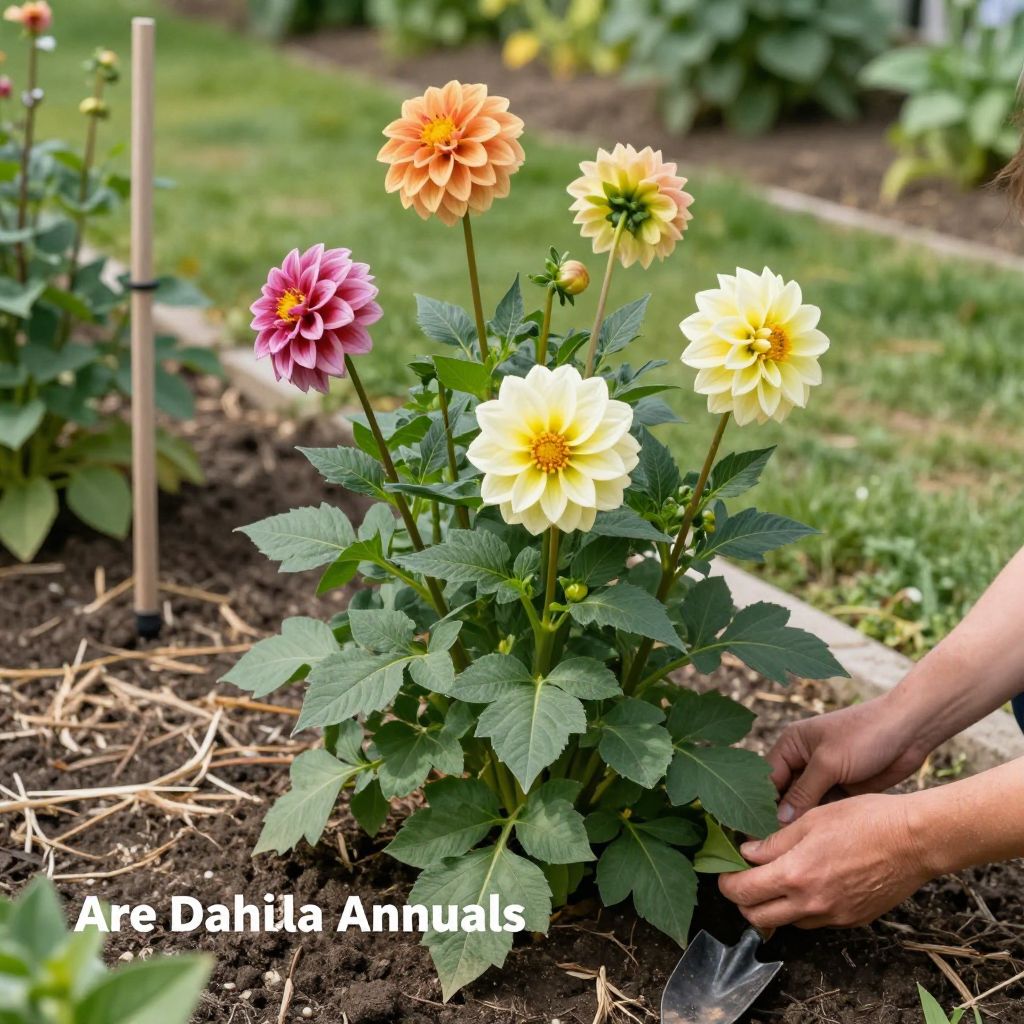
Are dahlias annuals? It’s a common question, especially if you’ve just bought a few tubers and want to know whether they’ll return next year. The short answer is that dahlias are tender perennials, but many gardeners grow them as annuals because frost kills the top growth and cold winters can destroy the tubers.
Whether yours come back depends on your climate, soil drainage, and how you store the tubers over winter. With the right care, you can enjoy dahlias for one season or keep them going year after year.
Are dahlias annuals?
Dahlias are not true annuals. They are perennial plants that grow from fleshy tubers, but they are only reliably perennial outdoors in mild climates where the ground does not freeze hard. In colder regions, gardeners usually lift and store the tubers or replant new ones each spring.
How dahlias grow and why they can act like annuals
Dahlias grow from tubers, which are storage organs that hold energy for the next season. The leafy stems and flowers die back after frost, but the tubers may survive underground if winter conditions are gentle enough.
This is why dahlias can seem like annuals in many gardens. If the tubers freeze, rot, or dry out, the plant will not return. If they survive, the same plant can regrow strongly the following season.
What affects whether dahlias return?
- Winter temperature: Hard freezes can damage tubers.
- Soil drainage: Wet winter soil often causes rot.
- Mulching and protection: Extra insulation can help in milder climates.
- Storage conditions: Lifted tubers must be kept cool, dry, and frost-free.
- Plant health: Strong, disease-free tubers are more likely to survive.
Growing dahlias successfully in the garden
To get the best display, plant dahlias in a sunny spot with rich, well-drained soil. They flower best with at least 6 hours of direct sun, though afternoon shade can help in very hot climates.
Before planting, improve the bed with compost or well-rotted organic matter. Dahlias prefer soil that holds some moisture but never stays soggy, because waterlogged conditions encourage tuber rot.
Best planting conditions
- Sunlight: Full sun for strong stems and abundant blooms.
- Soil: Fertile, loose, and free-draining.
- pH: Slightly acidic to neutral soil is usually suitable.
- Airflow: Good spacing helps reduce mildew and leaf disease.
How to plant dahlia tubers
- Wait until the soil has warmed and frost risk has passed in your area.
- Choose a sunny site with well-drained soil.
- Dig a hole deep enough to place the tuber with the crown just below the surface or at the depth recommended for your climate and soil type.
- Lay the tuber horizontally with the growing eye or bud facing up if visible.
- Backfill gently and water lightly after planting.
- Install a stake at planting time for taller varieties so you do not damage roots later.
If you are growing dahlias in containers, use a large pot with drainage holes and a quality potting mix. Container-grown dahlias dry out faster than garden plants, so they need closer attention during warm weather.
Watering, feeding, and maintenance
Dahlias need steady moisture once they are actively growing, but they dislike constantly wet soil. Water deeply when the top layer of soil begins to dry, then let excess water drain away.
Mulching around the plants can help conserve moisture and reduce weeds. Keep mulch a little away from the stems so the crown does not stay too damp.
Feeding tips
Use compost at planting time and, if needed, a balanced fertilizer during the growing season. Avoid overdoing nitrogen, which can produce lots of leafy growth but fewer flowers.
- Too much nitrogen can cause floppy stems and delayed flowering.
- Healthy soil and regular moisture usually matter more than heavy feeding.
- Stop feeding late in the season if the plant is naturally slowing down.
Pruning and deadheading
Remove spent flowers regularly to encourage more blooms. This process, called deadheading, helps the plant put energy into new buds rather than seed production.
For bushier plants, you can pinch out the growing tip when young. This often encourages branching, though it may slightly delay the first flowers. Tall varieties may still need staking even after pinching.
What to do in cold climates
If your winters freeze the ground, treat dahlias like seasonal plants unless you are prepared to lift and store the tubers. Many gardeners in cold regions dig them up after the first frost blackens the foliage.
Once the tops die back, cut stems down to a manageable length, then carefully lift the clump with a fork or spade. Handle tubers gently, because bruising can lead to rot in storage.
Overwintering tubers step by step
- Wait until frost has damaged the foliage.
- Cut stems back to a short stub.
- Lift the tuber clump carefully from the soil.
- Shake off excess soil and let the tubers dry for a short time in a sheltered place.
- Inspect for damage, rot, or disease.
- Store in a cool, frost-free, dry location with some air circulation.
Do not store tubers in a sealed plastic bag unless you are certain the conditions will stay dry enough. Too much moisture can cause mold, while too little can shrivel the tubers.
Can you leave dahlias in the ground?
In mild-winter areas, some gardeners leave dahlias in the ground and add a thick mulch layer for protection. This can work where soil stays relatively dry and freezes are light, but it is not dependable in colder or wetter climates.
If you try this method, choose a sheltered site with excellent drainage. Even then, a harsh winter may still kill the tubers.
Common problems that make dahlias fail
Many dahlia problems are related to weather, soil moisture, or pests rather than the plant being annual or perennial. If a dahlia does not return, the tuber may have rotted, dried out, or been eaten by pests.
Typical issues and fixes
- Rotting tubers: Usually caused by wet soil or poor storage. Improve drainage and store tubers in a drier place.
- No blooms: Often linked to too much shade, excessive nitrogen, or planting too early in cold soil.
- Weak stems: May result from low light, overcrowding, or lack of staking.
- Pest damage: Slugs, snails, aphids, and earwigs can damage young growth and flowers.
- Virus or disease: Mottled leaves, distorted growth, or poor vigor can indicate infected stock.
Start with healthy tubers from a reputable source, and avoid planting anything soft, moldy, or shriveled beyond recovery. Good sanitation also helps: clean tools, remove diseased plant debris, and do not compost infected material if disease is suspected.
Propagation and dividing tubers
Dahlias are often propagated by dividing the tubers or taking cuttings, depending on the gardener’s goal. Division is useful for increasing stock and keeping plants vigorous, but each section must have a viable growing eye.
When dividing, use a clean, sharp tool and separate the clump carefully. If you are unsure about the eyes, wait until new growth is visible in spring so you can see which sections are alive.
Good division practices
- Label varieties before storage so you do not mix them up.
- Keep each division with at least one eye and a healthy tuber attached.
- Let cut surfaces dry briefly before storing or replanting, if appropriate for your method.
- Discard any soft, blackened, or foul-smelling pieces.
Are dahlias annuals in containers?
Container-grown dahlias are still perennial by nature, but pots make winter survival harder because roots are more exposed to freezing and excess moisture. In cold regions, it is usually safer to treat potted dahlias as seasonal plants and lift the tubers before hard frost.
Use a large container, because cramped roots dry out quickly and can reduce flowering. Pots also warm up faster in spring, which can help early growth, but they need more frequent watering during hot weather.
Simple care checklist for healthy dahlias
- Plant in full sun after frost danger has passed.
- Use rich, well-drained soil amended with compost.
- Water consistently, but never let the roots sit in soggy soil.
- Stake tall varieties early.
- Deadhead regularly for more blooms.
- Watch for slugs, aphids, and signs of rot.
- Lift and store tubers if your winters are too cold for outdoor survival.
Conclusion
So, are dahlias annuals? Not exactly. They are tender perennials that can behave like annuals in cold climates, but with the right care you can keep the tubers alive and enjoy them again next year. If you want a better chance of success, start by improving drainage, giving them full sun, and planning ahead for winter storage.
For more help deciding whether to lift or leave your plants, you may also want to read are dahlias perennials or annuals? and do dahlias come back every year?.