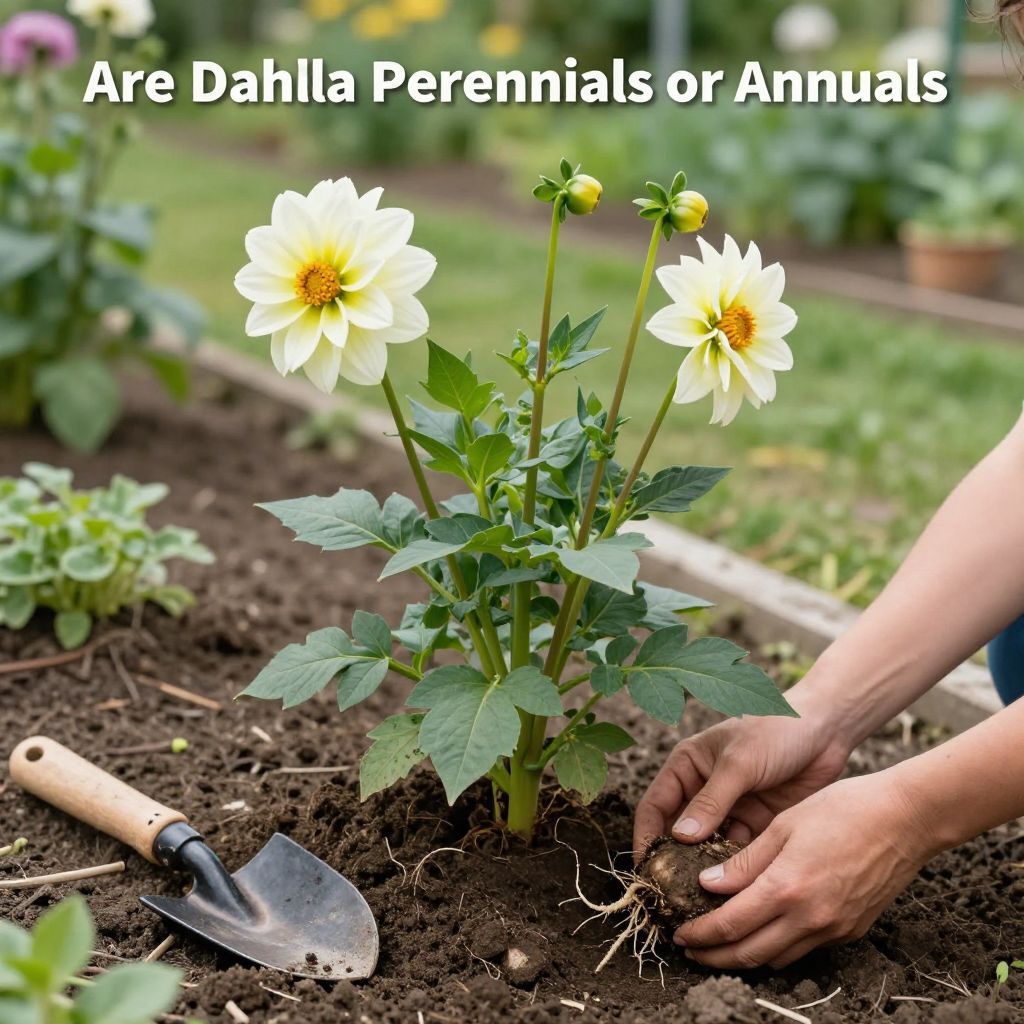
Are dahlias perennials or annuals? The short answer is: dahlias are tender perennials, but many gardeners grow them as annuals because they cannot survive freezing winters outdoors in cold climates. Whether they return depends on your local temperatures, soil drainage, and whether you lift and store the tubers for winter.
If you know how to overwinter them, dahlias can come back year after year. If you garden in a mild climate, they may stay in the ground; if you garden where the soil freezes, you’ll usually need to dig them up and replant in spring.
Are dahlias perennials or annuals?
Dahlias are technically perennial tuberous plants, not true annuals. In frost-free or very mild climates, the tubers can survive winter and regrow. In colder regions, the top growth dies back after frost, and the tubers must be lifted and stored indoors or treated as seasonal plants.
Why dahlias behave differently in different climates
Dahlias grow from fleshy underground tubers, which are sensitive to freezing and excess winter moisture. That means their survival depends less on the calendar and more on your winter conditions.
In warm climates
- Tubers may remain in the ground year-round.
- Plants often return from the same clump each season.
- Good drainage is still essential, especially in wet winters.
In cold climates
- Frost kills the stems and foliage.
- Frozen soil can damage or rot the tubers.
- You’ll usually dig them up after the first frost and store them until spring.
Important: dahlias are not hardy in freezing ground in most regions. If you’re unsure, treat them as tender perennials and plan to protect the tubers.
How to grow dahlias so they return next year
If you want dahlias to come back, your main goal is to grow healthy tubers and protect them from winter damage. That starts with the right planting site and ends with careful storage or overwintering.
Choose the right site
- Sunlight: Full sun is best, ideally 6 to 8 hours or more.
- Soil: Rich, loose, and well-drained soil helps tubers develop well.
- Airflow: Good circulation reduces mildew and leaf disease.
- Protection: Tall varieties may need shelter from strong wind.
Prepare the soil
Dahlias do best in soil that holds some moisture but never stays soggy. Work in compost before planting to improve structure and fertility, especially in poor or sandy soil.
Avoid heavy, waterlogged ground unless you can improve drainage. In dense clay, consider raised beds or mound planting to keep tubers from rotting.
Plant tubers correctly
- Wait until the soil is warm and frost danger has passed in your area.
- Plant tubers horizontally with the growing eye facing up if visible.
- Cover with several inches of soil, but do not bury too deeply.
- Water lightly after planting, then wait for shoots to emerge before watering heavily.
One common mistake is overwatering freshly planted tubers before they sprout. They need some moisture, but too much can cause rot before growth begins.
Should you leave dahlias in the ground over winter?
That depends on your climate and soil. In areas with mild winters and well-drained soil, some gardeners leave dahlias in place with mulch. In colder regions, digging and storing tubers is the safer choice.
When leaving them in the ground may work
- Winter temperatures stay above freezing or only dip briefly.
- Your soil drains well and does not stay wet for long periods.
- You add a protective mulch layer after the foliage dies back.
When digging them up is better
- Your ground freezes hard in winter.
- Rain and snow leave the soil wet for long stretches.
- You have heavy clay or poor drainage.
- You want to divide and replant the clump in spring.
If you are unsure, it is usually safer to dig the tubers and store them. That gives you more control and reduces winter losses.
How to dig and store dahlia tubers
Storing dahlias properly is the key to treating them like true perennials in cold climates. The goal is to keep the tubers cool, dry enough to avoid rot, and protected from freezing.
Step-by-step storage
- After frost blackens the foliage, cut stems back to a few inches above the soil.
- Carefully lift the clump with a fork or spade, keeping the tubers intact.
- Gently shake off loose soil and let the clump dry for a day or two in a sheltered place.
- Label the variety if you want to track color or flower form.
- Store in a ventilated box, crate, or paper-lined container with dry material such as peat-free compost, wood shavings, or vermiculite, depending on what you use locally.
- Keep in a cool, frost-free place where temperatures stay stable.
Storage mistakes to avoid
- Storing tubers while they are still wet.
- Letting them freeze.
- Keeping them in a hot room or sunny window.
- Sealing them in airtight plastic where moisture builds up.
Check stored tubers occasionally through winter. If they shrivel, the storage area may be too dry. If they soften or mold, it may be too damp.
Do dahlias need pruning or deadheading?
Yes, regular deadheading helps dahlias keep blooming longer. Removing faded flowers encourages more buds and keeps plants tidy. For taller varieties, pinching and light pruning can also improve shape and sturdiness.
Helpful maintenance tasks
- Deadhead spent blooms back to a healthy leaf node.
- Pinch young plants early in the season if you want bushier growth.
- Stake tall varieties before they flop in wind or rain.
- Remove damaged or diseased foliage promptly.
Deadheading does not make the tubers perennial, but it does help the plant store more energy and produce a stronger display before frost ends the season.
Common dahlia problems and how to fix them
Dahlias are rewarding, but they can be fussy about moisture and pests. Catching problems early makes a big difference in bloom quality and tuber health.
Rotting tubers
This usually happens when soil stays too wet or tubers are planted too early in cold ground. Improve drainage, wait for warmer soil, and reduce watering until growth starts.
Few flowers
Possible causes include too much shade, too much nitrogen, overcrowding, or lack of deadheading. Move plants to a sunnier site and avoid overfeeding with high-nitrogen fertilizer.
Powdery mildew and leaf spots
These issues are more common in crowded, humid conditions. Space plants well, water at the base, and remove infected leaves to improve airflow.
Slugs, snails, aphids, and earwigs
- Inspect new growth regularly.
- Use physical barriers or hand-picking where practical.
- Keep the area weed-free and tidy.
- Avoid overwatering, which can encourage pests and disease.
Can you propagate dahlias?
Yes. Dahlias can be propagated by dividing tubers in spring or by taking cuttings from new growth. Division is the most common method for home gardeners and is a practical way to multiply plants that return year after year.
Division basics
- Divide tubers in spring when you can clearly see the eyes or growth points.
- Each division needs at least one viable eye and a healthy tuber section.
- Use a clean, sharp knife or pruners to reduce disease spread.
If a tuber has no visible eye, it may not grow. That is one reason careful spring inspection matters before replanting stored clumps.
How to decide whether to treat dahlias as annuals or perennials
The answer depends on your climate, your soil, and how much winter care you want to give them. If you want low-maintenance gardening in a freezing region, treat dahlias like annuals and replant each year. If you’re willing to dig and store tubers, they can behave like reliable perennials.
- Grow them as perennials if winters are mild or you can overwinter tubers successfully.
- Grow them as annuals if frost, wet soil, or storage space makes overwintering difficult.
- Use containers if you want easier lifting and winter protection.
Conclusion: make dahlias return on your terms
Dahlias are perennial by nature, but in many gardens they need help to survive winter. If you want them back next year, focus on full sun, well-drained soil, careful watering, and proper tuber storage after frost. Start by checking your winter conditions now so you can decide whether to mulch in place or lift the tubers.
If you’d like to keep building your flower garden knowledge, look for more guides on summer-blooming bulbs, dividing tubers, and protecting tender plants through winter.