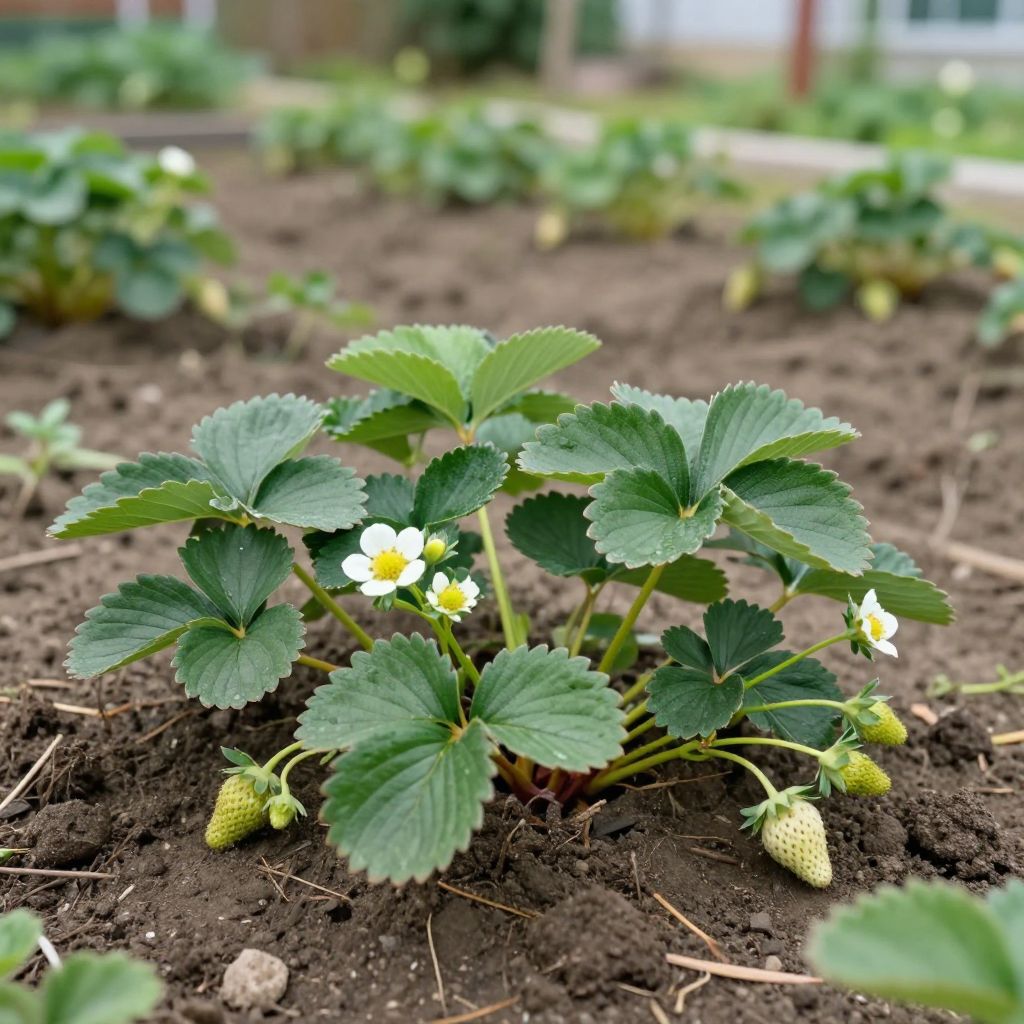
Are strawberries perennial? Yes—strawberries are perennial plants, which means they can live for more than one growing season and return year after year in the right conditions. In many home gardens, they produce best for a few productive seasons before yields decline, so good care and timely renewal matter.
If you plant them well, strawberries can give you a dependable patch of sweet fruit with relatively little space. The key is understanding that perennial does not mean “forever”: plant health, variety, climate, and maintenance all affect how long your strawberry bed stays productive.
Are strawberries perennial?
Strawberries are perennial fruit plants, but their productivity usually peaks in the first few years. With proper sunlight, drainage, and renovation, many plants can keep growing and fruiting for several seasons. In colder climates, the crowns survive winter and regrow in spring; in warmer areas, they may remain evergreen or semi-evergreen depending on the type.
How strawberry plants grow year after year
Understanding the plant’s growth habit helps you care for it correctly. Strawberry plants form a crown at soil level, send out roots, and often produce runners that root into new plants. The original plant can persist, but older crowns tend to become less vigorous over time.
What “perennial” means in practice
- The crown survives from one season to the next if conditions are suitable.
- Plants may go dormant in winter or during stress, then resume growth later.
- Fruit production often declines after a few years, even if the plant is still alive.
- New runner plants can replace older ones and keep the patch going.
Common strawberry types and longevity
Garden strawberries are usually Fragaria × ananassa, the common cultivated strawberry. Different types behave a little differently, but all are perennial in the botanical sense. Some produce heavily for a shorter period, while others fruit more gradually through the season, depending on the type and local climate.
Best growing conditions for perennial strawberries
Healthy strawberry plants are more likely to overwinter well and produce fruit for several years. Focus on light, soil structure, and drainage before worrying about fertilizer or advanced care.
Sunlight
Strawberries usually need full sun for the best flowering and fruiting. Aim for at least 6 to 8 hours of direct sun daily when possible. In hotter climates, a little afternoon shade can help reduce stress, but too much shade often leads to weak growth and fewer berries.
Soil
Strawberries prefer fertile, loose soil that drains well. Heavy, waterlogged soil can rot roots and crowns, while very sandy soil may dry out too quickly. A slightly acidic to neutral soil is generally best, but the main priority is consistent moisture without standing water.
Drainage
Good drainage is especially important because strawberry crowns are vulnerable to rot if buried too deeply or kept soggy. Raised beds, mounded rows, and containers can help if your native soil stays wet after rain.
Mulch and compost
A thin layer of compost worked into the bed before planting can improve soil structure. After planting, mulch helps conserve moisture, suppress weeds, and keep fruit clean. Straw is a classic choice, but shredded leaves or other light organic mulch can also work if it does not smother the crowns.
How to plant strawberries so they come back
Planting depth and spacing make a big difference in whether strawberries survive and thrive as perennials. The crown should sit at soil level, not buried and not exposed with roots drying out.
- Choose a sunny site with well-drained soil.
- Remove weeds and loosen the soil before planting.
- Mix in compost if the soil is poor or compacted.
- Set plants so the crown is level with the soil surface.
- Space plants enough for air movement and runner growth.
- Water thoroughly after planting to settle the roots.
A common mistake is planting too deep. If the crown is buried, the plant may rot. If it is planted too high, roots can dry out and the plant may struggle to establish.
Seasonal care for perennial strawberry beds
Strawberries need different care through the year. A little seasonal attention helps them stay productive and reduces disease problems.
Spring
In spring, remove winter mulch gradually as new growth starts. Trim away dead leaves and inspect the plants for damage. This is also a good time to refresh mulch, check for weeds, and make sure the crowns are not buried by soil or debris.
Summer
During fruiting, keep the soil evenly moist. Irregular watering can lead to small berries, poor fruit quality, or stressed plants. Harvest ripe fruit promptly, and remove any rotting berries so they do not attract pests or spread disease.
Fall
After harvest, clean up old leaves and weak runners if the bed is crowded. In colder regions, add winter mulch after the ground begins to cool but before hard freezes become severe. The goal is to protect the crowns without trapping excess moisture too early.
Winter
Perennial strawberries usually survive winter by going dormant. In cold climates, mulch helps reduce freeze-thaw damage. In milder climates, the main concern is excess moisture and rot, so avoid heavy, wet mulch piled directly on the crown.
Watering and feeding without overdoing it
Strawberries need steady moisture, especially while flowering and fruiting, but they do not like waterlogged soil. The best approach is to water deeply when the top layer of soil begins to dry, then let the soil breathe before watering again.
Watering tips
- Water at the base of the plant to keep foliage drier.
- Use mulch to slow evaporation and reduce stress.
- Check soil moisture after hot or windy weather.
- Container plants usually dry out faster than bed-grown plants.
Feeding tips
Healthy soil often needs only modest feeding. Too much nitrogen can produce lush leaves with fewer flowers and fruit. Compost, aged manure, or a balanced organic amendment can support growth, but the exact approach should match your soil and local conditions.
If your plants look weak, it is better to check soil drainage, sunlight, and spacing first than to assume they need more fertilizer. Overfeeding can make disease and pest problems worse.
Pruning, runners, and renovating old plants
Because strawberries are perennial, they need occasional cleanup to stay productive. This is less about heavy pruning and more about managing old growth and overcrowding.
Removing old leaves
Cut away dead, damaged, or diseased leaves as needed. This improves airflow and can reduce fungal problems. Avoid stripping the plant bare, since healthy leaves still feed the crown and support fruiting.
Managing runners
Runners are long stems that form new plantlets. They are useful if you want to propagate new plants, but too many runners can drain energy from the mother plant and crowd the bed.
- Let a few runners root if you want replacement plants.
- Remove extra runners to keep the bed tidy and productive.
- Replant rooted daughter plants in a new area if needed.
Renovating an established bed
Older strawberry beds often benefit from renovation after harvest or at the end of the main fruiting period. Thin crowded plants, remove weak or diseased crowns, and refresh the bed with compost or mulch if appropriate for your soil. If the patch is very old and yields are poor, starting a new bed may be more efficient.
Common pests and diseases that shorten strawberry life
Strawberries are perennial, but pests and diseases can reduce vigor quickly if you ignore early warning signs. Good spacing, clean mulch, and prompt removal of damaged fruit all help.
Common problems to watch for
- Slugs and snails that chew fruit and leaves.
- Birds that peck ripe berries.
- Gray mold on soft, wet fruit, especially in crowded beds.
- Leaf spots and other fungal issues encouraged by poor airflow.
- Crown rot in wet soil or where the crown is buried too deeply.
Simple prevention steps
- Keep weeds down so air can move through the bed.
- Mulch to keep fruit off wet soil.
- Harvest regularly so overripe berries do not decay on the plant.
- Remove diseased leaves and fruit promptly.
- Avoid watering overhead late in the day.
If disease keeps returning, check whether the bed is too crowded, too shaded, or too wet. Sometimes the best fix is improving the site rather than adding more treatments.
How long do strawberry plants last?
Strawberry plants can live for several years, but many gardeners replace or renew them before they get too old. Yields often decline as crowns age, disease pressure builds, and runner growth becomes less vigorous. In a well-managed bed, you can keep the planting going by replacing older plants with healthy rooted runners or fresh nursery plants.
As a practical rule, think of strawberries as a perennial crop that needs periodic renewal. That mindset helps you plan for steady harvests instead of expecting one planting to perform well forever.
Growing strawberries in containers or small spaces
Container-grown strawberries are still perennial, but they need closer attention because pots dry out and freeze more quickly than garden beds. Choose a container with drainage holes and enough room for roots and runners, and use a potting mix that drains well.
In small spaces, containers, hanging baskets, and raised beds can all work. Just remember that perennial plants in pots are more exposed to heat, cold, and moisture swings, so they may need winter protection and more frequent watering than in-ground plants.
When to replace strawberry plants
Even healthy perennial strawberries eventually slow down. Consider replacing plants when you notice smaller berries, fewer flowers, crowded crowns, or repeated disease problems despite good care. Rooted runners can fill gaps, but a fresh bed may be the better choice if the whole planting is declining.
A good approach is to keep a few young replacement plants ready each season. That way, you can phase out older crowns without losing your harvest.
Conclusion: keep strawberries perennial and productive
So, are strawberries perennial? Yes, and that is one of the reasons they are such a rewarding fruit for home gardeners. Give them sun, drainage, steady moisture, and periodic cleanup, and they can return for several seasons with better results than a neglected patch.
If you want to improve your strawberry bed this season, start by checking crown depth, soil drainage, and crowding. For more practical fruit-growing guidance, you may also find it helpful to read about how to grow berries in raised beds and mulching tips for healthy garden plants.