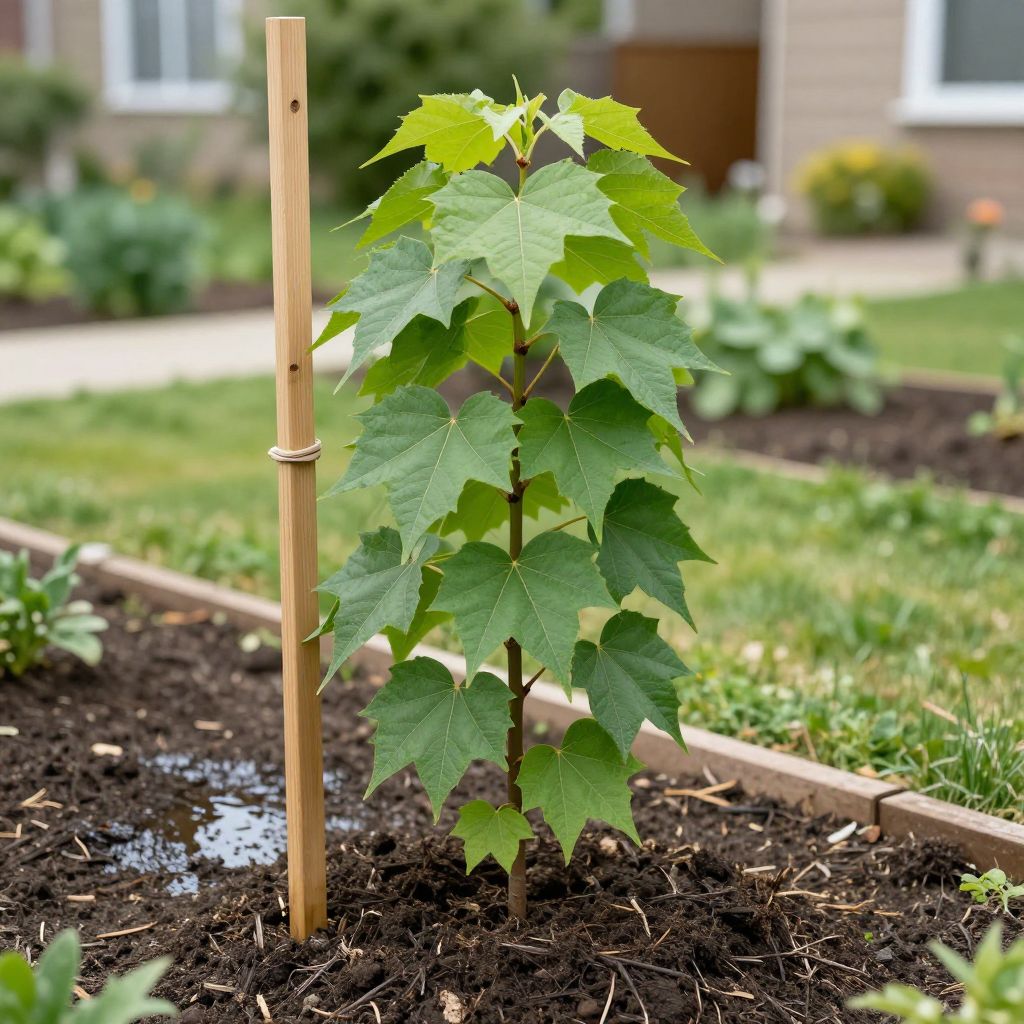
What is the fastest growing tree? If you want quick shade, privacy, or a fast landscape screen, the answer depends on your climate, soil, and how much space you have. Some trees can add several feet of growth per year, but the “fastest” choice is only useful if it suits your site and long-term goals.
The best fast-growing tree is one that grows quickly and stays healthy with proper planting, watering, and pruning. In most gardens, the fastest options are usually willows, poplars, hybrid poplars, river birch, and some eucalyptus species, but each has trade-offs you should understand before planting.
What is the fastest growing tree?
In many landscapes, hybrid poplar is often considered one of the fastest growing trees, with some varieties putting on several feet of growth per year in ideal conditions. Other rapid growers include willow, silver maple, river birch, and certain eucalyptus species, but the best choice depends on your climate, soil moisture, and available space.
Which trees grow fastest, and when are they useful?
Fast-growing trees are useful when you need shade, wind protection, or a visual screen sooner rather than later. The trade-off is that many fast growers have weaker wood, shorter lifespans, or more aggressive roots than slower-growing trees.
Common fast-growing tree types
- Hybrid poplar — very fast growth, best for large spaces and temporary screening.
- Willow (Salix spp.) — fast in moist soil; not ideal near pipes or small yards.
- River birch (Betula nigra) — fast enough for many gardens, with attractive bark and better landscape value.
- Silver maple (Acer saccharinum) — quick shade, but can be brittle and messy.
- Some eucalyptus species — very fast in warm climates, but not suitable everywhere.
What “fast growing” really means
Growth rate is usually measured in height added per year, but that number changes with sun, water, soil fertility, and pruning. A tree that grows quickly in rich, moist soil may slow down in compacted clay, drought, or partial shade.
Fast growth is not the same as low maintenance. Many quick growers need more attention early on to develop strong structure and avoid future problems.
How to choose the right fast-growing tree for your yard
Before you plant, think beyond speed. The best tree for your garden is the one that fits your climate, mature size, and soil conditions without causing future damage.
Start with these questions
- How much room do you have at maturity, both above and below ground?
- Do you want shade, privacy, wildlife value, or erosion control?
- Is your soil moist, dry, sandy, clay-heavy, or compacted?
- Will the tree be near a house, fence, driveway, septic system, or utility lines?
- Can you provide regular watering for the first few growing seasons?
Match the tree to the site
- Large, open properties: hybrid poplar, willow, or other vigorous species can work well.
- Smaller residential gardens: river birch or a well-chosen ornamental tree is often safer than the fastest possible option.
- Wet areas: willow and river birch may perform well if drainage is poor but not stagnant.
- Dry sites: avoid moisture-loving trees unless you can irrigate consistently.
If you are unsure, choose a tree with a slightly slower growth rate but better structure and fewer root problems. That often saves money and maintenance later.
How to plant a fast-growing tree correctly
Fast-growing trees establish best when planted carefully. Poor planting can slow growth, weaken roots, and create long-term stress that cancels out the benefit of choosing a vigorous species.
Step-by-step planting guide
- Choose the right location. Leave enough clearance from buildings, sidewalks, and overhead lines for the tree’s mature size.
- Check drainage. Dig a test hole and fill it with water. If it stays soggy for hours, pick a species that tolerates wet soil or improve the site.
- Dig a wide hole. Make it wider than the root ball but no deeper than the root ball height.
- Set the tree at the right depth. The root flare should sit at or slightly above the surrounding soil line.
- Backfill with native soil. Avoid overloading the planting hole with rich compost, which can discourage roots from spreading outward.
- Water thoroughly. Soak the root zone after planting to settle soil around the roots.
- Mulch properly. Apply 2 to 4 inches of mulch in a wide ring, keeping it a few inches away from the trunk.
Tools that help
- Shovel or spade
- Watering hose or watering can
- Mulch such as wood chips or shredded bark
- Pruning shears for small corrective cuts
- Tree stakes only if the site is windy or the tree is unstable
Avoid planting too deep. This is one of the most common mistakes with young trees and can lead to poor growth, trunk rot, and root problems.
Soil, water, and sunlight needs for fast growth
Fast-growing trees usually need full sun and steady moisture, especially while they are establishing. Even vigorous species slow down if the soil is poor, compacted, or too dry.
Soil conditions
- Best soil: loose, well-drained soil with plenty of organic matter.
- Clay soil: can work if drainage is acceptable, but avoid waterlogging.
- Sandy soil: drains quickly and may need more frequent watering.
- Compacted soil: should be loosened carefully around the planting area if possible.
Adding a modest amount of compost to the top layer of soil can help improve structure over time, but do not create a “potting hole” of rich material in otherwise poor native soil. Roots need to spread outward into the surrounding ground.
Watering for establishment
New trees need consistent moisture, but not constant sogginess. Water deeply enough to moisten the root zone, then let the top layer of soil begin to dry before watering again.
- Newly planted trees often need more frequent watering during warm, dry weather.
- Established trees usually need less frequent but deeper watering.
- Mulch helps reduce evaporation and keeps roots cooler.
The exact schedule depends on rainfall, temperature, wind, and soil type. Check the soil with your finger or a trowel instead of watering by the calendar alone.
Sunlight
Most fast-growing trees perform best in full sun, which usually means at least six hours of direct light daily. Trees in partial shade may survive, but they often grow more slowly and develop a thinner canopy.
Pruning and training fast-growing trees
Because quick growers can produce long, soft shoots, early pruning matters. The goal is not to slow the tree down, but to shape it so it develops a strong trunk and well-spaced branches.
Prune for structure, not just size
- Remove dead, damaged, or crossing branches.
- Encourage one strong central leader when appropriate for the species.
- Thin out narrow branch angles that may split later.
- Do light corrective pruning while the tree is young rather than heavy pruning later.
For many trees, late winter or early spring is a practical time for structural pruning, but timing can vary by species and climate. Avoid major pruning during extreme heat or drought unless you are removing broken wood.
Do not top a tree. Topping weakens structure, invites pests and disease, and often creates a flush of weak regrowth.
Common problems with fast-growing trees
Fast growth can come with predictable issues. Knowing them early helps you prevent damage and keep the tree healthy.
Weak wood and storm damage
Some fast-growing trees develop brittle branches or poor branch attachment. Regular structural pruning and proper spacing can reduce the risk, but species choice matters most.
Aggressive roots
Willows, poplars, and some other vigorous trees can send roots far from the trunk in search of water. Keep them away from drain lines, septic systems, foundations, and paved surfaces.
Pests and disease
Stressed trees are more vulnerable to borers, aphids, cankers, leaf spots, and root problems. Good cultural care is the first defense:
- Plant in the right site.
- Water consistently during establishment.
- Mulch correctly.
- Prune for airflow and structure.
- Avoid wounding the trunk with mowers or string trimmers.
Short lifespan or poor form
Some trees grow quickly but age poorly. If you want a long-term landscape tree, balance growth speed with durability, branching habit, and mature size.
Propagation and replacement tips
Many fast-growing trees are easy to propagate from cuttings, especially willow and some poplars. That can be useful for screening or restoration projects, but it is not always the best approach for home landscapes.
- Use cuttings only if you know the species and it is appropriate for your region.
- For most homeowners, buying a healthy nursery tree is safer and more reliable.
- Choose a tree with a straight trunk, good root structure, and no circling roots in the container.
If a young tree struggles, check for planting depth, poor drainage, drought stress, and root girdling before assuming the species is the problem.
Best uses for the fastest growing trees
Fast-growing trees are especially useful when you need results quickly, but they are not always the best choice for every garden role.
- Privacy screens: useful when you need quick coverage, but plant with enough spacing for mature width.
- Shade: great for cooling patios and lawns, though long-term branch strength matters.
- Windbreaks: effective when planted in staggered rows and maintained properly.
- Reclaiming disturbed sites: helpful on large properties where fast establishment is the priority.
For a small front yard or a tight suburban lot, a moderately fast tree with better structure may be the smarter choice than the absolute fastest grower.
Conclusion: choose speed with a plan
The fastest growing tree is often a hybrid poplar or another vigorous species, but the real answer depends on your site and goals. If you want success, choose a tree that fits your climate, plant it correctly, water it well during establishment, and prune it early for structure.
Before you buy, measure your space, check soil drainage, and decide whether you need temporary speed or long-term landscape value. If you want more practical help, look for related guidance on how to plant a tree correctly and best trees for privacy screens.