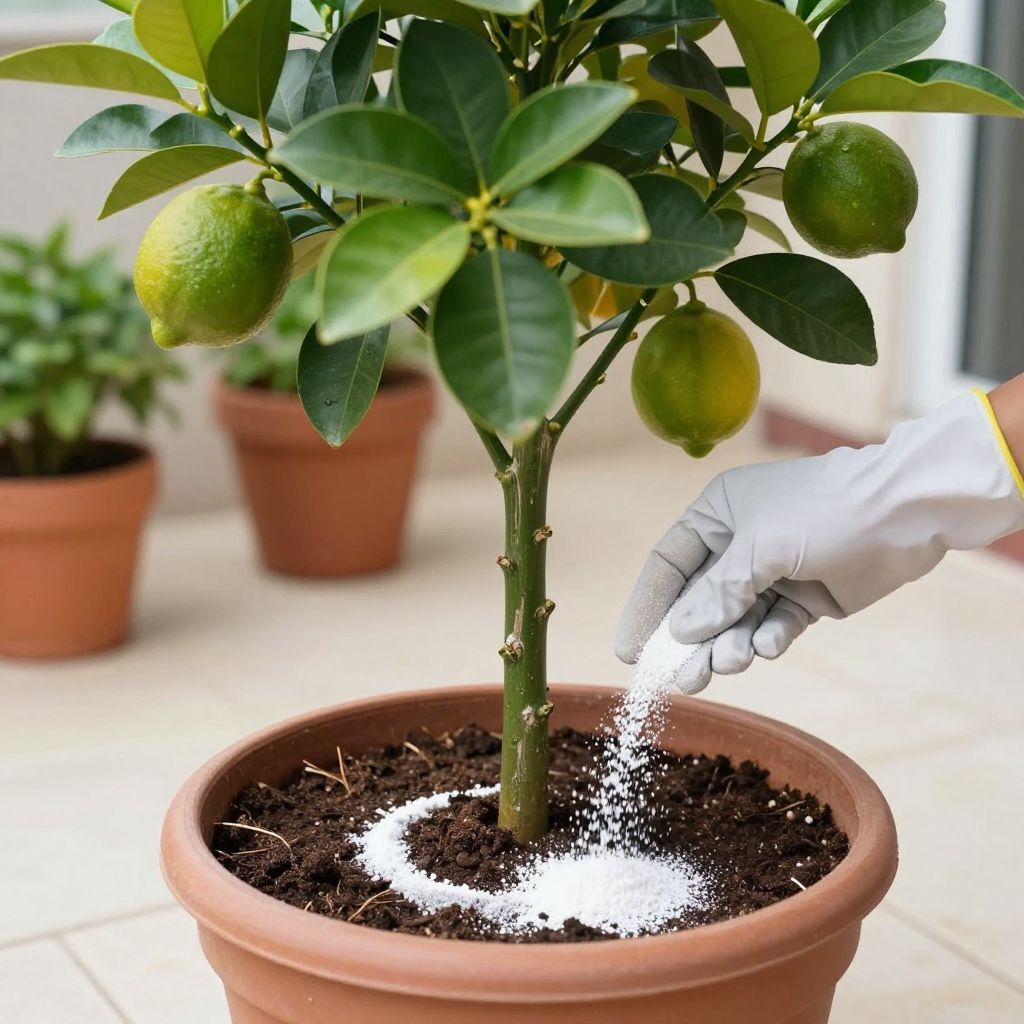
Wondering when to fertilize citrus trees so you feed them at the right time without pushing weak growth? Timing matters because citrus responds best to fertilizer during active growth, not when the tree is stressed, dormant, or trying to harden off for cooler weather.
The best schedule depends on your climate, tree age, and whether your citrus grows in the ground or in a container. A well-timed feeding plan supports healthy leaves, flowering, fruit set, and fruit size, while poor timing can waste fertilizer or even cause leaf burn and tender growth.
When to fertilize citrus trees?
Fertilize citrus trees in late winter to early spring as new growth begins, then continue with light feedings through spring and early summer if the tree is actively growing. Stop or reduce feeding in late summer and fall so the tree can slow down naturally before cool weather. Container citrus usually needs more frequent, lighter feeding than in-ground trees.
Why timing matters for citrus fertilizer
Citrus trees are heavy feeders, but they do not use nutrients evenly all year. They take up the most fertilizer when roots are active and the tree is pushing leaves, flowers, and young fruit.
Feeding at the wrong time can create problems. Too much fertilizer late in the season can trigger soft new growth that is more vulnerable to cold damage, pests, and stress.
What happens if you fertilize too early or too late?
- Too early: nutrients may wash away before roots are active, especially in cold or wet soil.
- Too late in the season: the tree may produce tender growth that does not harden off properly.
- During drought or heat stress: fertilizer can burn roots if the tree is already struggling.
- On a newly planted tree: heavy feeding can encourage top growth before roots are established.
Best seasonal fertilizing schedule for citrus trees
Late winter to early spring
This is the main feeding window for most citrus trees. As temperatures warm and new buds begin to swell, the tree can use nutrients efficiently.
If you live in a mild citrus-growing climate, this is often the first and most important application of the year. In cooler regions, wait until frost danger has passed and the soil is warming.
Spring through early summer
Many gardeners split fertilizer into smaller applications during this period. That approach often works better than one large dose because citrus roots take up nutrients gradually.
For trees in the ground, a few light feedings during active growth are usually enough. For potted citrus, monthly or label-directed feeding during the growing season is common because containers lose nutrients faster.
Late summer
You can taper off feeding as the season shifts. In many climates, this is the point to reduce nitrogen so the tree stops pushing soft growth and starts preparing for cooler weather.
If your area has a long, warm growing season, you may still feed lightly into late summer, but avoid encouraging a flush of new growth too close to fall.
Fall and winter
In most climates, citrus trees should not be fertilized heavily in fall or winter. Growth slows, roots absorb nutrients less efficiently, and excess fertilizer may sit unused in the soil.
Indoor citrus is the main exception, since it may continue growing under bright light and warm temperatures. Even then, reduce feeding if growth slows noticeably.
How often should you fertilize citrus trees?
There is no single schedule that fits every tree. The right frequency depends on whether the tree is young or mature, in the ground or in a pot, and how fast it is growing.
- Young trees: often benefit from smaller, more regular feedings during active growth.
- Mature in-ground trees: usually need fewer applications than young trees.
- Container-grown citrus: generally need more frequent feeding because watering leaches nutrients from pots.
Always follow the fertilizer label for timing and frequency, then adjust based on your tree’s growth and local climate. If the tree is producing lots of healthy foliage and fruit, it may not need extra feeding as often as you think.
How to tell if your citrus tree needs fertilizer
Before feeding, look at the tree itself. Citrus often shows nutrient problems in the leaves, growth rate, and fruit quality.
Common signs of low nutrition
- Pale or yellowing leaves, especially older leaves
- Slow growth during the active season
- Small leaves or sparse canopy
- Reduced flowering or poor fruit development
- Fruit that stays small or drops early
Not every yellow leaf means the tree needs fertilizer. Poor drainage, overwatering, cold soil, root damage, or pests can cause similar symptoms. If the soil stays wet for long periods, fix drainage first.
Signs you may be overfertilizing
- Leaf tip burn or browned edges
- Very dark green, overly lush foliage with little flowering
- Salt crust on the soil surface or pot rim
- Wilting even when the soil is moist
- Sudden leaf drop after feeding
If you suspect overfertilizing, flush container soil with water and pause feeding. For in-ground trees, stop fertilizing and water deeply if the soil is dry, then let the tree recover.
Best fertilizer choices for citrus trees
Citrus trees usually do best with a fertilizer made for citrus or a balanced fertilizer that includes micronutrients. Citrus commonly needs nitrogen, but it also benefits from iron, magnesium, manganese, and zinc when those nutrients are lacking.
Granular vs. liquid fertilizer
- Granular fertilizer: useful for in-ground trees and longer-lasting feeding.
- Liquid fertilizer: convenient for container citrus and quick correction of mild deficiencies.
- Slow-release fertilizer: helps simplify feeding, especially for potted trees and busy gardeners.
Choose a product designed for citrus whenever possible, especially if your tree has shown signs of micronutrient deficiency. If you use a general fertilizer, make sure it is suitable for fruiting trees and does not overemphasize phosphorus without a clear reason.
Step-by-step: how to fertilize citrus trees correctly
- Check the season. Feed when the tree is actively growing, usually in late winter through early summer.
- Water first if the soil is dry. Never fertilize a drought-stressed tree.
- Apply evenly. Spread granular fertilizer around the root zone, not against the trunk.
- Keep fertilizer away from the trunk. Leave a small gap near the base to avoid burn.
- Water in after application. This helps move nutrients into the root zone.
- Watch the tree over the next few weeks. Look for healthy new growth rather than a sudden burst of weak, soft shoots.
For container citrus, use the product label carefully and water thoroughly until excess drains out. Do not let fertilizer collect in the saucer under the pot.
Special timing for potted citrus trees
Indoor and patio citrus often need a different feeding rhythm than trees planted in the ground. Pots dry out faster, and nutrients leach out with frequent watering.
During active growth, potted citrus usually benefits from lighter, more regular feeding. In winter, reduce fertilizer if the tree is growing slowly, receiving less light, or spending time indoors.
Container care tips that affect fertilizing
- Use a pot with drainage holes.
- Refresh the potting mix when it becomes compacted or depleted.
- Do not fertilize a dry potting mix.
- Watch for salt buildup, especially if you fertilize often.
If your indoor citrus is under grow lights and actively growing, it may keep using nutrients longer than an outdoor tree in winter. Let the plant’s growth rate guide you.
Growing conditions that affect fertilizer timing
Fertilizer works best when the tree already has good growing conditions. Citrus needs full sun, well-drained soil, and consistent moisture without waterlogging.
In poor soil or heavy clay, nutrients may be present but unavailable because roots cannot function well. In sandy soil, nutrients may leach out quickly, so smaller, more frequent feedings can be helpful.
Soil and drainage
Citrus roots dislike soggy soil. If water lingers after rain or irrigation, improve drainage before increasing fertilizer. Compost can help improve soil structure, but it should not replace a complete nutrient program if the tree is showing deficiencies.
Sunlight and temperature
Full sun supports stronger growth and better fruiting, which also changes how much fertilizer the tree uses. In cooler weather, growth slows and fertilizer demand drops.
That is why the same tree may need more feeding in a long warm season and much less in a short cool one.
Common mistakes to avoid
- Fertilizing on a fixed calendar only. Always consider weather and tree growth.
- Feeding a stressed tree. Fix drought, root problems, or pests first.
- Applying too much nitrogen. This can create lots of leaves but fewer flowers and fruit.
- Fertilizing too late in the year. This can lead to tender growth before cold weather.
- Ignoring micronutrients. Citrus often shows iron or magnesium problems even when general feeding is adequate.
What to do if your citrus still looks unhealthy
If your tree is yellow, sparse, or dropping fruit after you fertilize, do not assume more fertilizer is the answer. Check the basics first.
- Inspect for scale, mites, aphids, or leaf miner damage.
- Check whether the soil drains well after watering.
- Make sure the tree gets enough sun.
- Look for root problems in container plants, such as circling roots or compacted mix.
- Confirm that the fertilizer is appropriate for citrus and not overapplied.
Sometimes the right fix is a soil test or a repotting, not another feeding. A soil test can help you avoid guessing, especially if your tree has repeated yellowing or poor fruiting.
Conclusion
When to fertilize citrus trees comes down to active growth: feed in late winter or early spring, continue lightly through spring and early summer, then ease off in late summer and stop for most trees in fall and winter. Watch your tree, your soil, and your climate, and adjust the schedule rather than forcing a one-size-fits-all routine.
If you want to improve your citrus care even more, it helps to read about pruning, container growing, and correcting yellow leaves so you can match feeding with the tree’s overall needs.