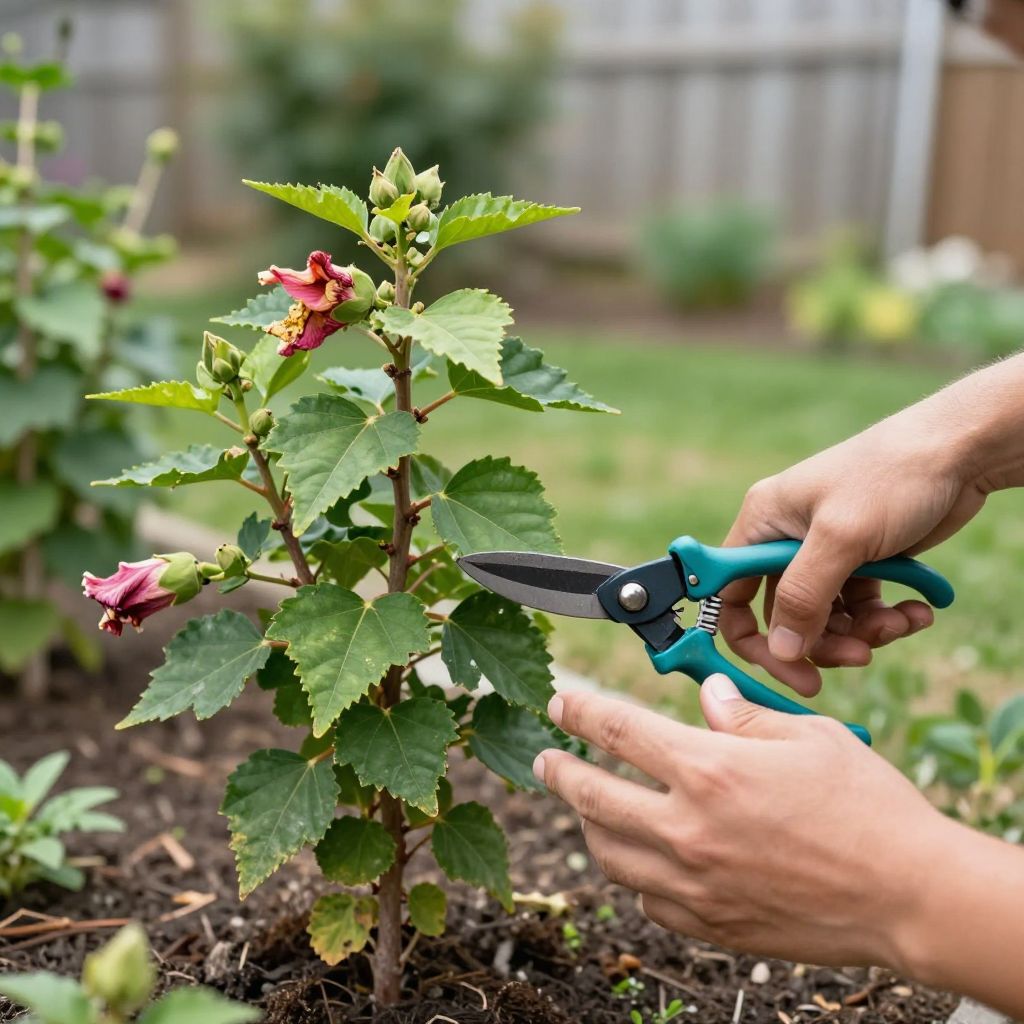
Wondering when to prune hibiscus so you get more flowers without stressing the plant? The best timing depends on whether you grow tropical hibiscus or hardy hibiscus, but in general, pruning is done when the plant is actively growing or just before a new growth flush. Light shaping can be done during the season, while major cuts are best timed to avoid frost or cold damage.
Done at the right time, pruning helps hibiscus stay fuller, bloom better, and fit the space you have. Done at the wrong time, it can remove flower buds, slow recovery, or leave tender new growth exposed to weather stress.
When to prune hibiscus?
Prune hibiscus in late winter to early spring if you want to shape the plant before active growth begins, or after a bloom flush for light cleanup. Tropical hibiscus should be pruned after the risk of frost has passed, while hardy hibiscus is usually cut back in late winter or early spring because it dies back naturally in cold climates.
Know which hibiscus you have first
Before you prune, identify the type of hibiscus. The timing and severity of pruning are different for tropical hibiscus and hardy hibiscus, and using the wrong approach can reduce flowering or damage the plant.
Tropical hibiscus
Hibiscus rosa-sinensis and similar tropical types are evergreen in warm climates and often grown in containers in cooler regions. They bloom on new growth, so pruning is usually aimed at shaping the plant and encouraging branching.
Hardy hibiscus
Hardy hibiscus, such as Hibiscus moscheutos and related garden forms, dies back in winter in many climates. These plants are typically cut back hard in late winter or early spring, once the worst cold has passed and before new shoots emerge.
Best timing by season
Season matters more than the calendar date. Your local climate, frost risk, and the plant’s growth cycle should guide your pruning window.
Late winter to early spring
This is the main pruning window for many hibiscus plants, especially in temperate climates. Prune after the coldest weather has passed but before strong new growth starts.
- Good for structural pruning and size control.
- Best for removing dead, damaged, or crossing branches.
- Ideal for hardy hibiscus that die back to the ground.
After flowering or during active growth
Light pruning can be done after a bloom flush on tropical hibiscus to tidy the plant and encourage branching. You can also pinch or lightly trim soft new growth during the growing season to keep the plant compact.
- Remove spent flowers and a few inches of leggy growth.
- Avoid heavy pruning when the plant is setting buds.
- Use this time for minor shaping only.
What to avoid
Do not prune heavily right before a cold snap. Fresh cuts and tender new growth are more vulnerable to frost, wind, and drought stress. If your area has unpredictable spring weather, wait until temperatures are reliably warming.
How much to prune hibiscus
The amount you remove depends on the plant’s condition and your goal. A healthy, established hibiscus can handle more shaping than a stressed or newly planted one.
Light pruning
Light pruning removes only the tips of stems, dead flowers, and a few unruly branches. This is often enough during the growing season to maintain shape and encourage bushier growth.
Moderate pruning
Moderate pruning reduces long stems by about one-third. This is useful for overgrown tropical hibiscus or plants that have become thin and top-heavy.
Hard pruning
Hard pruning means cutting the plant back more severely to renew growth. It is most appropriate for hardy hibiscus in late winter or early spring, or for very leggy tropical hibiscus that need rejuvenation. Avoid hard pruning on weak plants unless necessary.
Step-by-step: how to prune hibiscus
Use clean, sharp pruners and take your time. Good cuts heal faster and reduce the chance of disease.
- Start with dead or damaged wood. Remove broken, blackened, or clearly dead stems first.
- Look for crossing branches. Cut out stems that rub against each other or grow inward toward the center.
- Shorten long stems. Cut just above a leaf node or outward-facing bud to encourage branching in the direction you want.
- Open the center slightly. A little air movement through the plant helps reduce pest and disease pressure.
- Step back and reassess. Prune a little at a time so you do not remove too much at once.
Where to make the cut
Make each cut just above a leaf node or bud, angled slightly away from the bud. This helps water run off and encourages new growth from the right point.
How much to remove at once
As a general rule, avoid removing more than about one-third of the plant at a time unless you are rejuvenating a hardy hibiscus or correcting severe damage. If the plant is stressed by heat, drought, or transplanting, prune more conservatively.
Pruning tips for better blooms
Hibiscus flowers form on new growth in many cases, so pruning can actually improve blooming when done well. The goal is to stimulate fresh, branching stems without forcing the plant to recover from unnecessary stress.
- Pinch young stems to encourage a fuller shape.
- Remove faded blooms if you want a tidier plant, though some types naturally drop old flowers quickly.
- Feed and water appropriately after pruning so the plant can push new growth.
- Give enough sun because poor light often causes leggy growth that leads to more pruning later.
Pruning hibiscus in containers
Potted hibiscus often needs more frequent light shaping because container plants can become leggy faster. Container-grown tropical hibiscus also respond well to pruning after they have settled into active growth in spring or summer.
- Check for root crowding if the plant declines after pruning.
- Use a pot with excellent drainage.
- After pruning, move the plant gradually into stronger light if it has been indoors or in shade.
If you overwinter tropical hibiscus indoors, wait until spring to do the main prune unless you are removing dead or damaged stems. Indoor light is usually lower, so heavy pruning in winter can leave the plant struggling to regrow.
Common pruning mistakes
Most hibiscus pruning problems come from timing or cutting too much at once. Avoid these common errors:
- Pruning at the wrong season, especially before frost or during peak bud set.
- Shearing the plant randomly instead of cutting selectively at nodes.
- Removing too much growth from a weak or newly planted hibiscus.
- Using dull or dirty tools that crush stems and spread disease.
- Ignoring the plant type and treating tropical and hardy hibiscus the same way.
Tools and cleanup
Simple tools are usually enough for hibiscus pruning. Keep them sharp and clean so cuts are neat and the plant recovers quickly.
- Hand pruners for stems up to pencil thickness
- Loppers for thicker woody stems
- Gloves if the plant is dense or if you are removing thorny nearby growth
- Rubbing alcohol or a disinfectant wipe for cleaning blades between plants
After pruning, remove fallen leaves and stems from around the plant. This helps reduce hiding places for pests and lowers the chance of fungal problems.
What to do after pruning
After pruning, give the plant steady care so it can recover and branch well. Do not overcompensate with too much water or fertilizer.
- Water when the top layer of soil begins to dry, especially for container plants.
- Keep the plant in bright light or full sun, depending on the type and your climate.
- Watch for new shoots within a few weeks during active growing weather.
- Check regularly for aphids, whiteflies, spider mites, or scale, which often target stressed plants.
Signs you pruned at the right time
A well-timed pruning should be followed by healthy new shoots, fuller growth, and improved flowering later in the season. If the plant stalls, wilts, or produces weak growth, it may need better light, more consistent moisture, or less severe pruning next time.
Troubleshooting after pruning
If your hibiscus looks unhappy after pruning, the problem is often environmental rather than the cut itself.
- Yellowing leaves can point to overwatering, poor drainage, or low light.
- Leaf drop may happen after a sudden change in temperature, light, or watering routine.
- Few new shoots can mean the plant was pruned too hard or too early in the season.
- Soft, weak growth often follows too much nitrogen or too little sun.
If the plant is in the ground, check soil drainage and root health. Hibiscus prefer evenly moist but well-drained soil; waterlogged roots can make recovery slow and increase disease risk.
Conclusion
When to prune hibiscus comes down to plant type, weather, and your goal. For most gardeners, late winter to early spring is the safest time for major pruning, while light shaping can be done during the growing season after flowering. Start with dead wood, make selective cuts at leaf nodes, and avoid heavy pruning before cold weather.
If you want to keep improving your hibiscus care routine, it may also help to read more about how to grow hibiscus in pots and common hibiscus pests and diseases for related maintenance tips.