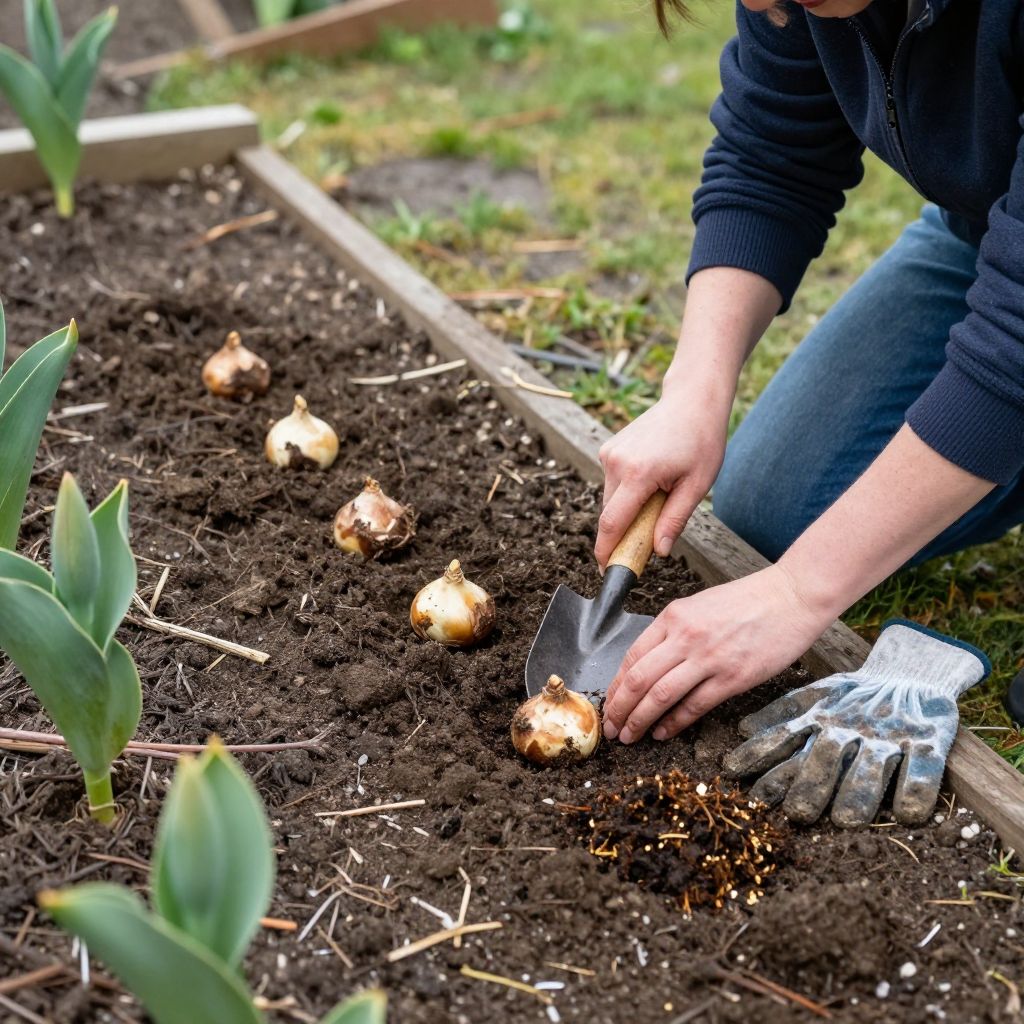
Can I plant tulips in the spring? The short answer is yes, but they usually will not perform the way they do when planted in autumn. Tulips need a long cold period to form strong roots and bloom well, so spring planting often gives you foliage first and flowers later, or no bloom at all the first year.
If you already have tulip bulbs in hand, you can still plant them and give them a chance. The key is to understand what to expect, choose the right planting method for your climate, and care for the bulbs so they can store energy for next season.
Can I plant tulips in the spring?
Yes, you can plant tulip bulbs in spring, but results are usually better when bulbs are planted in fall. Spring-planted tulips may produce leaves, weak stems, or delayed blooms because they have not had enough winter chill. In mild climates, they may need artificial chilling before planting.
Why spring planting is different from fall planting
Tulips are spring-flowering bulbs that normally need a cold dormant period to trigger flowering. When you plant them in fall, winter provides that chill naturally. Spring planting means the bulb has to catch up while temperatures are already rising, which can reduce flowering.
What tulip bulbs need to bloom
- Cold exposure to help the flower form inside the bulb
- Well-drained soil so the bulb does not rot
- Enough time in the ground to root before hot weather arrives
- Sunlight after emergence to recharge the bulb for next year
If your bulbs were stored too warm or too long, they may still grow, but the flower quality can be inconsistent. That is why spring-planted tulips are often treated as a “wait and see” project rather than a guaranteed bloom.
How to plant tulips in spring for the best chance of success
If you are planting tulips in spring, use healthy, firm bulbs and get them into the ground as soon as the soil is workable. The earlier in spring you plant, the better the odds that roots will establish before heat arrives.
Step-by-step planting guide
- Choose a sunny spot with at least 6 hours of direct sun, or as much as your site allows.
- Check drainage. Tulips dislike soggy soil, so avoid low spots where water collects.
- Loosen the soil to a depth of about 8 to 10 inches.
- Mix in compost if your soil is poor, but do not overdo it in heavy clay.
- Plant bulbs pointed end up, generally about 6 to 8 inches deep, or roughly 2 to 3 times the bulb’s height.
- Space bulbs about 4 to 6 inches apart for a natural look and good airflow.
- Water once after planting to settle the soil, then keep the area lightly moist, not wet.
If your ground is still cold and wet, wait until it is workable rather than forcing the bulbs into mud. Rot is a bigger risk than a short delay.
Container planting option
Containers can be a practical choice for spring-planted tulips, especially if your garden soil is heavy or poorly drained. Use a pot with drainage holes and a free-draining potting mix, not garden soil alone.
- Choose a pot at least 10 to 12 inches deep for most tulips.
- Place bulbs fairly close together, but not touching.
- Keep the pot in bright light outdoors.
- Protect the container from excess rain if your spring is very wet.
Should you chill tulip bulbs before spring planting?
In many mild-winter areas, yes. If tulips have not had enough natural winter chill, pre-chilling can improve the chance of bloom. Store bulbs in a breathable paper bag in the refrigerator, away from fruit, for several weeks before planting, if your local climate is too warm for natural chilling.
Important chilling tips
- Do not store bulbs in a freezer.
- Keep them away from apples and other fruit, which release ethylene gas.
- Do not chill bulbs in a sealed plastic bag.
- Plant them promptly after chilling.
This step is most useful in warm regions where winters are too mild to satisfy tulip dormancy. If you live in a colder climate, spring-planted bulbs may already have received enough chill outdoors or in storage conditions that were cool enough.
What to expect after spring planting
Patience matters. Spring-planted tulips may take longer to emerge than fall-planted bulbs, and some may send up leaves without flowers. Even if they do bloom, the display may be smaller or later than expected.
Common outcomes
- Leaves only: the bulb is recovering and building energy for later growth.
- Small blooms: the bulb had limited stored energy or partial chilling.
- No bloom this year: the bulb may bloom next season if it survives and is cared for well.
Do not assume a bulb is dead just because it does not flower. Tulips can use one season to rebuild strength, especially after a late planting.
Best soil, light, and moisture conditions for tulips
Tulips grow best in loose, fertile, well-drained soil. They tolerate a range of soil types, but they are much more likely to fail in compacted, waterlogged ground than in average garden soil with decent drainage.
Soil preparation tips
- Work compost into the top layer of soil if it is thin or sandy.
- In heavy clay, improve drainage by planting in raised beds or mounds.
- Avoid fresh manure, which can encourage rot.
- Do not bury bulbs in dense, unmixed clay.
Sunlight is also important. Tulips prefer full sun, but in hot climates, morning sun and light afternoon shade can help the foliage last longer. The more light the leaves get, the better the bulb can recharge.
Watering and feeding after planting
Water tulips after planting to settle the soil, then let the top layer dry slightly before watering again. Bulbs in cool spring weather usually need less water than many other garden plants. Overwatering is one of the fastest ways to lose them.
How to avoid rot
- Water only when the soil begins to dry, not on a fixed schedule.
- Keep mulch light and airy if you use it.
- Make sure pots drain freely.
- Never let bulbs sit in standing water.
Fertilizer is optional if your soil is reasonably fertile. A light application of bulb fertilizer or compost at planting time can help, but avoid strong nitrogen-heavy feeding, which can push leafy growth at the expense of flowers.
How to care for tulips after they bloom
After flowering, remove the spent bloom, but leave the foliage in place until it yellows naturally. The leaves are feeding the bulb for next year’s growth. Cutting them too early weakens the bulb and reduces future flowering.
Post-bloom care checklist
- Deadhead the faded flower head.
- Keep leaves intact and growing.
- Water lightly if the soil dries out.
- Stop watering once the foliage begins to yellow and die back.
If you want to keep tulips for another season, this after-bloom period is crucial. A bulb that can rebuild energy has a much better chance of returning.
Common problems with spring-planted tulips
Spring-planted tulips often struggle for predictable reasons. Most problems come from heat, poor drainage, insufficient chilling, or bulbs that were already weak before planting.
1. Bulbs rot before sprouting
This usually means the soil stayed too wet or the bulbs were planted too deeply in heavy ground. Improve drainage and replant in a raised bed or container if needed.
2. Leaves emerge but no flowers appear
This is common after spring planting. The bulb may not have received enough cold, or it may need another season to recover. Keep the foliage growing as long as possible.
3. Stems are short and weak
Insufficient sun, crowded planting, or warm weather can cause weak growth. Move future plantings to a brighter site and avoid overwatering.
4. Bulbs disappear or fail to return
Rabbits, squirrels, voles, and rot are common causes. Use wire mesh, bulb cages, or containers if animals are a problem in your garden.
Can you save spring-planted tulips for next year?
Sometimes. If the bulbs grow leaves and store enough energy, they may bloom again the following season. In colder climates, many gardeners treat tulips as short-lived perennials or replant fresh bulbs each year for the best display.
How to improve repeat blooming
- Give them full sun while the leaves are active.
- Do not cut foliage early.
- Keep the soil well drained year-round.
- Lift and store bulbs only if your climate or site requires it.
Some tulip types are more likely to return than others, but performance still depends heavily on climate and care. If repeat bloom matters to you, plan for the possibility that some bulbs will be temporary.
Practical mistakes to avoid
- Planting in waterlogged soil
- Using bulbs that are soft, moldy, or damaged
- Expecting the same bloom timing as fall-planted tulips
- Removing foliage too soon after flowering
- Overfertilizing with high-nitrogen products
- Planting too shallowly in hot weather
These mistakes matter more with spring planting because the bulbs have less time and fewer favorable conditions to recover. A careful planting site and restrained watering make a big difference.
When spring planting makes sense
Spring planting is most useful when you find bulbs late, receive bulbs after fall planting time, or want to experiment with a container display. It is less ideal if you want a large, reliable spring show next year. For that, fall planting is still the standard approach.
If you are planting now, focus on drainage, light, and patience. Give the bulbs the best possible start, then let the foliage do its work. For more bulb-growing help, you may also want to read about planting bulbs for seasonal color and caring for spring-flowering bulbs after bloom.