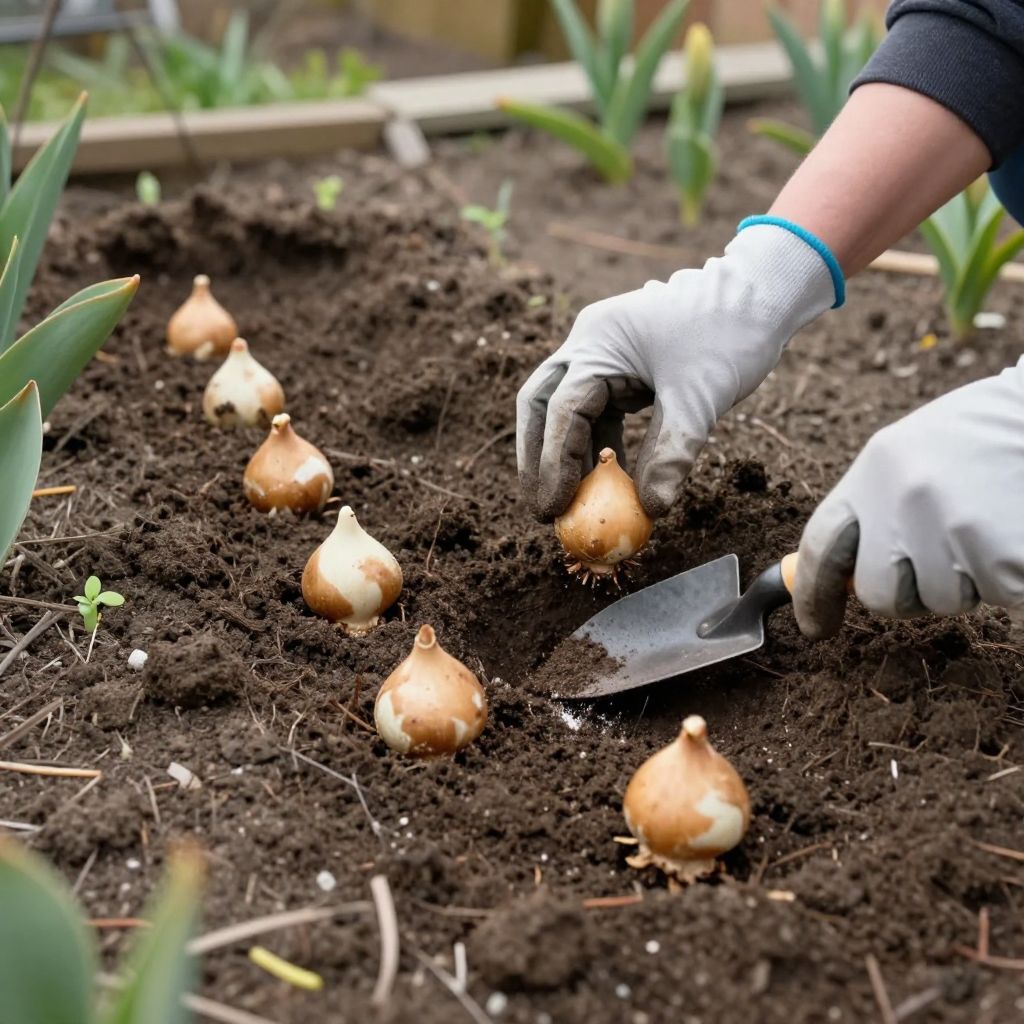
Can you plant tulip bulbs in the spring? Yes, but the results are usually disappointing compared with fall planting. Tulips need a cold period to bloom well, so spring-planted bulbs often make leaves but little or no flower the first year. You can still plant them if the bulbs are firm and you want to save them, but timing and expectations matter.
If you missed the fall window, your best option depends on your climate, the bulb’s condition, and whether you want flowers this year or next. With the right handling, spring-planted tulips can sometimes recover and bloom later, especially in cooler regions or if the bulbs were stored properly.
Can you plant tulip bulbs in the spring?
Yes, you can plant tulip bulbs in the spring, but they usually won’t perform as well as bulbs planted in autumn. Tulips need a long cold period to trigger flowering, so spring planting often leads to weak growth, delayed bloom, or no bloom at all. In many climates, spring planting is best treated as a salvage option.
Why tulips usually prefer fall planting
Tulips are spring-flowering bulbs that naturally go through winter before they bloom. That cold exposure, called vernalization, helps the bulb form a flower bud.
When you plant in fall, the bulb settles in before winter and gets the chill it needs. By spring, roots are established and the plant can push up strong leaves and flowers.
What happens if you plant in spring?
- The bulb may produce leaves but no flower.
- Blooming, if it happens, may be smaller or later than usual.
- The bulb may use up stored energy and weaken for the following year.
- In warm climates, the bulb may struggle to get enough cold exposure outdoors.
When spring planting makes sense
Spring planting can still be worth trying if you have bulbs left over from winter storage, bought bulbs late, or live in a cooler area where the ground stays cold for a long time. It is also useful if you want to save healthy bulbs rather than throw them away.
Choose spring planting when the bulbs are still firm, dry, and free of mold or soft spots. Soft, shriveled, or rotting bulbs are unlikely to recover, no matter when you plant them.
Best-case situations for spring planting
- Cool spring weather with soil that is still cold.
- Bulbs that have been properly chilled in storage.
- Gardeners who are willing to wait for flowers next season.
- Containers or raised beds where drainage is excellent.
How to plant tulip bulbs in spring
If you decide to plant in spring, give the bulbs the best possible start. The goal is to keep them healthy enough to rebuild strength for a future bloom.
- Inspect the bulbs and discard any that are mushy, moldy, or badly damaged.
- Choose a sunny site with at least 6 hours of direct sun if possible.
- Prepare well-drained soil by loosening it and mixing in compost if the soil is poor or heavy.
- Plant at the right depth, usually about 6 to 8 inches deep for standard tulips, or roughly 2 to 3 times the bulb’s height.
- Space bulbs about 4 to 6 inches apart so air can move around them.
- Water once after planting to settle the soil, then avoid keeping the bed soggy.
Soil and drainage matter most
Tulips rot easily in wet soil. If your garden holds water after rain, plant in a raised bed, slope, or container with drainage holes.
Adding compost helps improve soil structure, but do not bury bulbs in rich, wet organic matter alone. Tulips want loose, airy soil more than heavy feeding.
Container planting option
Containers can be a smart choice for spring-planted tulips because you can control drainage and move them to a cooler spot if needed. Use a pot with drainage holes and a free-draining potting mix, not garden soil.
Keep in mind that pots dry out faster than garden beds. Check moisture regularly, but never let the container sit in standing water.
Will spring-planted tulips bloom?
Sometimes, but not reliably. If the bulbs have already received enough cold exposure during storage or a long winter, they may bloom. If they have not, you may get healthy leaves without flowers.
Even when they do not bloom the first spring, the foliage can still feed the bulb. That gives it a chance to store energy for a possible bloom later, provided the leaves are allowed to stay green until they naturally fade.
How to improve your chances of bloom
- Use large, firm bulbs rather than small or shriveled ones.
- Plant in the sunniest spot you have.
- Avoid overly warm planting sites near walls or pavement that heat up quickly.
- Keep leaves healthy after sprouting so the bulb can recharge.
How to care for tulips after spring planting
Spring-planted tulips need gentle care rather than heavy feeding or frequent watering. The main job is to keep the bulb from rotting while supporting leaf growth.
Watering
Water thoroughly after planting, then only when the soil begins to dry. In cool, rainy weather, you may not need to water again for a while.
Overwatering is one of the fastest ways to lose tulip bulbs. If the soil is already moist, wait before watering again.
Sunlight
Tulips bloom best in full sun, but they can still grow in light shade. In hotter climates, morning sun and some afternoon shade may help the foliage last longer.
Fertilizing
If your soil is average, a light top-dressing of compost is usually enough. Avoid pushing soft, leafy growth with too much nitrogen, which can increase rot and reduce flowering quality.
After flowering, if flowers appear
- Remove faded blooms so the plant does not waste energy making seed.
- Leave the leaves in place until they yellow and collapse naturally.
- Do not braid, tie, or cut green foliage early.
Common problems with spring-planted tulips
No flowers
This is the most common outcome. The bulb likely did not receive enough cold exposure, or it spent too much energy before roots were established.
There is no quick fix for a bulb that missed its chill requirement, but you can still care for the foliage and try again next season if the bulb survives.
Rotting bulbs
Soft soil, poor drainage, and frequent watering can cause bulbs to rot. If you dig one up and it smells bad or feels mushy, remove it and improve drainage before replanting others.
Weak, floppy leaves
This can happen in low light, warm conditions, or overly rich soil. Move container-grown tulips to a brighter, cooler spot if possible, and avoid excess fertilizer.
Pests and diseases
Tulips may be bothered by squirrels, mice, voles, and sometimes aphids. In wet conditions, fungal problems can also appear.
- Rodents: Use wire mesh, bulb cages, or planted companions that discourage digging.
- Aphids: Rinse them off with water or remove heavily infested growth.
- Fungal issues: Improve airflow and avoid wetting the foliage unnecessarily.
Should you dig up spring-planted tulips later?
Usually, no. If the bulbs are healthy and the foliage is still green, leave them in place until the leaves die back naturally. Digging them too early can interrupt energy storage.
After the foliage fades, you can lift bulbs in summer if your climate is very wet or if you want to store them for a fall replanting. Let them dry in a cool, airy place, then replant in autumn for the best chance of bloom.
How to get better results next year
If you want reliable tulip flowers, plan for fall planting. That is when tulips are most likely to root well, chill properly, and bloom on schedule.
- Buy bulbs in good condition in early fall.
- Plant when soil temperatures cool down, not during summer heat.
- Choose a site with sun and sharp drainage.
- Mark the planting area so bulbs are easy to find later.
Conclusion
So, can you plant tulip bulbs in the spring? Yes, but treat it as a backup plan, not the ideal season. Plant firm bulbs in well-drained soil, give them sun, and keep expectations realistic: you may get foliage now and flowers later, or no bloom at all this year.
If you want stronger tulip performance next season, focus on fall planting and good drainage. For more bulb-growing help, look for guides on planting spring-flowering bulbs and how to care for tulips after bloom.