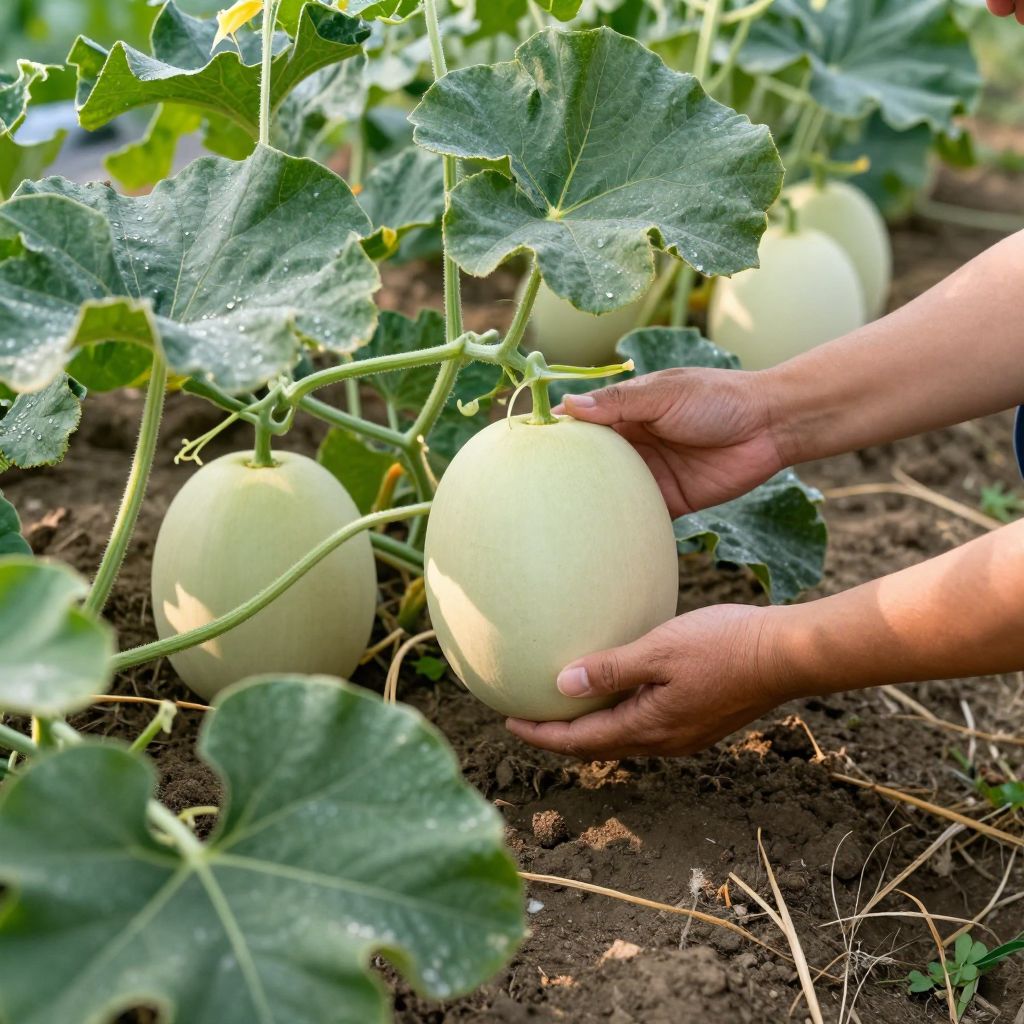
Wondering when is honeydew in season, and how to get the best flavor from it in your garden? Honeydew melon is a warm-season crop that ripens in late summer to early fall in most climates, but the exact timing depends on your weather, planting date, and variety.
If you grow it yourself, the season is less about a calendar date and more about heat, sunlight, and days to maturity. Knowing what honeydew needs helps you time planting, avoid common growing problems, and harvest fruit at peak sweetness.
When is honeydew in season?
Honeydew is usually in season from late summer through early fall in temperate regions, with the best harvest often arriving 75 to 100 days after planting, depending on the variety. In warm climates, it may start earlier and last longer. For home gardeners, the crop is ready when fruits are full-sized, fragrant, and slip easily from the vine.
What determines honeydew season in the garden?
Honeydew season is shaped by temperature, frost dates, and how quickly the vines can grow. Honeydew melons need a long, warm growing period, so they perform best when planted after all danger of frost has passed and soil has warmed to at least about 70°F.
Climate and temperature
Honeydew is a true warm-season melon. Cool nights, chilly soil, and short summers can slow growth, reduce sweetness, and delay harvest.
- Best growth happens in warm days and mild-to-warm nights.
- Cold stress can stunt vines and make fruit set unreliable.
- Heat alone is not enough; plants also need consistent moisture and good pollination.
Variety maturity time
Different honeydew varieties mature at different speeds. Seed packets and nursery labels often list days to maturity, which is the best guide for your garden. Early varieties may finish in about 75 days, while others need closer to 100 days or more.
Local growing season length
If you live in a short-season region, honeydew may be best started indoors or grown in the warmest part of your garden. In long, hot seasons, direct sowing outdoors can work well once the soil is reliably warm.
How to grow honeydew for the best seasonal harvest
To get honeydew in season on time, focus on strong early growth. Healthy vines produce better fruit, and fruit quality depends heavily on sun, soil, and pollination.
Choose the right site
- Pick a location with full sun, ideally 8 or more hours daily.
- Use a spot with good air movement to help reduce disease pressure.
- Avoid low areas where cold air and water collect.
Prepare the soil
Honeydew grows best in loose, fertile, well-drained soil. Heavy clay can slow roots and increase rot problems, while sandy soil may dry out too fast unless amended with compost.
- Work in compost before planting to improve texture and moisture retention.
- Make sure drainage is good; melons dislike soggy roots.
- A soil pH around slightly acidic to neutral is generally suitable for melons.
Planting timing
Plant outdoors only after frost danger has passed and the soil has warmed. In cooler climates, you can start seeds indoors a few weeks before transplanting, but avoid disturbing roots too much when moving seedlings.
- Start seeds indoors if your season is short, using biodegradable pots if possible.
- Harden off seedlings gradually before transplanting.
- Set plants in warm soil with enough space for vines to spread.
- Mulch after the soil has warmed to help conserve moisture and suppress weeds.
Watering and feeding
Consistent moisture is important while vines are growing and fruit is developing. Uneven watering can lead to poor fruit sizing or bland flavor.
- Water deeply at the base rather than wetting the leaves.
- Keep soil evenly moist, not saturated.
- Reduce watering slightly as fruit nears maturity to support better sweetness, but do not let plants wilt repeatedly.
Too much nitrogen can push leafy growth at the expense of fruit. If your soil is very rich, vines may grow vigorously but produce fewer melons. A balanced, moderate approach is usually best.
How to tell when honeydew is ready to harvest
Honeydew does not always change color dramatically, so ripeness can be tricky. Unlike some fruits, honeydew is often picked when it is fully mature but still firm, not overripe.
Signs of ripeness
- The fruit reaches the expected size for the variety.
- The rind changes from bright green to a lighter cream or pale yellow-green tone, depending on type.
- The blossom end gives slightly when pressed gently.
- The melon has a sweet, noticeable fragrance near the stem end.
- Some varieties will slip from the vine with a gentle tug when ripe.
Do not rely on size alone. A large melon can still be immature if the vine was stressed or the season was too cool.
Harvesting tips
Use clean pruners or a sharp knife to cut fruit from the vine if it does not slip cleanly. Leave a short stem attached if possible, and handle the melon carefully to avoid bruising.
Common problems that delay honeydew season
Several issues can push harvest later than expected or reduce fruit quality. Catching them early helps you stay closer to the normal seasonal window.
Poor pollination
Honeydew depends on pollinators to set fruit. If bees are scarce or weather is rainy and cool during bloom, fruit set may be weak.
- Encourage pollinators by avoiding broad-spectrum insecticides.
- Grow flowering plants nearby to support bees.
- If needed, hand pollinate early in the morning using a small brush or by transferring pollen from male to female flowers.
Cucumber beetles and other pests
These pests can damage leaves and spread disease. Young plants are especially vulnerable.
- Use row covers early, then remove them when flowers appear so pollinators can reach the plants.
- Inspect leaves regularly for chewing damage or wilt.
- Keep weeds down, since they can harbor pests.
Powdery mildew and fungal issues
Late-season humidity, crowded vines, and wet foliage can lead to disease. Once leaves decline, fruit often matures more slowly and may be less sweet.
- Give plants enough space for airflow.
- Water at soil level in the morning.
- Remove badly diseased leaves if needed, but avoid over-pruning healthy foliage.
Cool weather and short seasons
If summer ends before melons finish, fruit may remain small or bland. In that case, choose earlier varieties next time, start seeds sooner indoors, or use a warmer site such as a south-facing bed or raised bed.
Can you grow honeydew in containers?
Yes, but container-grown honeydew needs extra attention because pots dry out quickly and roots have less room. This is most practical with compact varieties and a large container.
- Use a very large pot or grow bag with excellent drainage.
- Place it in full sun and protect it from strong wind.
- Check moisture often, since container soil can dry in a day or two during hot weather.
- Support vines with a trellis only if the fruit can be slung or supported so it does not break stems.
Container growing can work well in small spaces, but it is less forgiving than in-ground planting. If your summer is short, containers may warm faster in spring, which can help the season start earlier.
How to extend the honeydew season
If you want a longer harvest window, stagger your planting or choose varieties with different maturity dates. This helps spread ripening over several weeks instead of getting all the fruit at once.
Practical ways to stretch the harvest
- Start one batch of seedlings, then sow a second batch a couple of weeks later if your season is long enough.
- Use black plastic or other soil-warming methods in cool climates only if they fit your garden style and local conditions.
- Protect young plants from cold snaps with row cover or cloches, removing them when flowering begins.
- Pick fruit promptly when ripe so the vine can direct energy to remaining melons.
What to avoid if you want sweet, timely honeydew
Some common mistakes make honeydew late, watery, or disappointing. Avoiding them is often easier than trying to fix them later.
- Planting too early in cold soil.
- Overwatering after fruit begins to size up.
- Using too much nitrogen, which encourages vines instead of fruit.
- Letting weeds crowd the bed, which competes for water and nutrients.
- Ignoring pollination, especially during rainy or cool bloom periods.
Conclusion: timing honeydew season in your garden
When is honeydew in season? In most gardens, expect late summer to early fall, but your real harvest window depends on warmth, variety, and planting time. If you want ripe melons on schedule, give plants full sun, warm soil, steady moisture, and room to grow. Check your seed packet, watch for ripeness signs, and harvest as soon as the fruit is ready.
For more warm-season crop timing and care, you may also want to read about growing melons in raised beds and how to tell when summer vegetables are ripe.